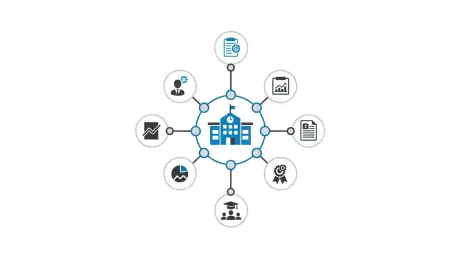

The American public education system is currently navigating a historically unprecedented convergence of academic deficits and mental health needs that demand a departure from legacy administrative responses. While classrooms have always been spaces of social and intellectual growth, the modern environment faces a dual pressure where pandemic-era learning gaps have solidified into structural hurdles. In response, school districts are increasingly abandoning reactive, compliance-heavy models in favor of the Multi-Tiered System of Supports, commonly known as MTSS. This framework focuses on identifying student needs early and providing a tiered ladder of intervention that addresses the whole child rather than just isolated test scores. By transitioning toward proactive, data-driven support, educators are attempting to stabilize an environment currently rocked by chronic absenteeism and a critical shortage of support staff. This analysis explores how MTSS has evolved from a secondary checklist into a primary survival strategy, examining the predictive modeling and systemic transformations that are shaping the future of student intervention.
The Evolution of Data-Driven Educational Support
Statistical Adoption: The Urgency for Systematic Change
The current growth of systemic intervention frameworks is driven by figures that paint a sobering picture of the national educational landscape. As of 2026, the academic ripple effects of past disruptions remain visible, with a significant portion of the student body performing nearly half a grade level below pre-crisis benchmarks in mathematics and literacy. This academic lag is not occurring in a vacuum; it is heavily exacerbated by a surge in chronic absenteeism that has seen roughly 25% of the total student population missing critical instructional time. When students are not physically present, even the most robust curriculum fails to deliver results, creating a compounding cycle of failure that is difficult to break without a formal, organized response system.
Consequently, the necessity for MTSS has shifted from an elective best practice to a mandatory survival mechanism. The urgency is further amplified by a severe deficit in mental health resources, as the national ratio of school psychologists remains approximately one for every 1,071 students. This gap between student needs and available human capital means that schools can no longer afford to be reactive. They must use systematic change to ensure that every available minute of counseling or specialized instruction is directed precisely where it will have the greatest impact. Modern frameworks are now designed to act as a force multiplier, allowing a limited number of professionals to manage high-need populations through structured, efficient data application.
Practical Applications: Predictive Modeling
To move beyond a purely defensive posture, schools are increasingly implementing Early Warning Systems that utilize predictive analytics to catch students before they fall through the cracks. These systems act as a digital heartbeat monitor, tracking attendance patterns, minor behavioral shifts, and incremental grade changes to flag at-risk individuals months before a traditional “crisis” would be recognized. Instead of waiting for a student to fail a semester, these models allow administrators to see that a three-day absence in the fall, combined with a slight dip in quiz scores, often predicts a total academic collapse by the spring. This transition toward longitudinal tracking allows for an 18-month view of performance rather than a single, disconnected snapshot.
The tiered intervention model provides the actual structure for this data-driven foresight. Tier 1 strategies focus on universal support, ensuring that the general classroom environment is healthy and that core instruction is reaching at least 80% of the population. When the data shows a student is slipping, Tier 2 offers targeted, small-group interventions that provide specialized attention without removing the student from the general population. For the most complex cases, Tier 3 provides intensive, multidisciplinary support that brings together teachers, psychologists, and families. By using predictive modeling to move students between these tiers, schools are creating a dynamic ecosystem that responds to the specific rhythm of student life rather than adhering to rigid, annual evaluations.
Expert Perspectives: Systemic Fidelity and Transformation
Educational leaders frequently point to the “fidelity gap” as the primary obstacle to true systemic transformation. While many districts claim to have an MTSS framework in place, experts argue that having a framework on paper is not the same as executing it with precision. Fidelity refers to the consistency and accuracy with which interventions are applied; without it, even the most advanced data systems become useless. Leaders are calling for a shift away from “compliance-driven documentation,” where teachers spend more time logging their efforts than actually teaching. The goal is to move toward a model of “problem-solving collaboration,” where the data serves as a starting point for a conversation rather than the end of a report.
Moreover, educators are grappling with a “data overload” paradox. Modern schools have access to an abundance of information, yet many teachers feel less equipped to help their students than they did in the past. To solve this, experts suggest that data must be translated into clear pathways for action. This means shifting from a focus on “what” the data says to “why” the data looks that way. By fostering cross-functional teams that include everyone from the principal to the school social worker, districts can address the “whole child.” This holistic approach ensures that an academic failure is investigated not just as a lack of effort, but potentially as a symptom of a deeper behavioral or situational challenge that requires a unique, non-academic intervention.
The Future Landscape: Proactive Student Intervention
The trajectory of student intervention is moving toward an even more sophisticated integration of technology and human empathy. Future systems are likely to utilize refined predictive tools that can anticipate social-emotional declines by analyzing subtle shifts in student engagement and peer interaction. However, as these tools become more powerful, the challenge of maintaining data privacy while pursuing equity becomes more pronounced. Schools must ensure that aggregated data is used to eliminate systemic biases rather than reinforce them. The ultimate objective is for MTSS to become an ingrained part of a school’s cultural identity, moving from a secondary checklist to the very foundation of how a district defines student success.
Furthermore, a significant culture shift is expected to balance these automated insights with human-centric support. While the technology can provide the “red flags,” only human educators can provide the nuanced care required to change a student’s life path. This means that as predictive analytics become more prevalent, the role of the teacher and the counselor will shift toward more specialized, relationship-based mentorship. By using data to automate the identification process, schools can free up human professionals to spend more time on direct intervention. This evolution represents a move toward a more resilient educational system where every student is seen as a person with a trajectory that can be improved through timely, individualized attention.
Conclusion: Building Resilient Educational Systems
The transition from reactive snapshots to proactive, longitudinal support strategies represented a fundamental shift in how the American educational community prioritized student well-being. Educators focused on turning raw, overwhelming data into meaningful action, ensuring that information served the student rather than just the administration. The widespread adoption of tiered intervention frameworks allowed districts to bridge the gap between academic instruction and mental health support during a period of intense societal pressure. By institutionalizing these systems, schools moved away from a culture of crisis management and toward a sustainable model of early detection and intervention. This infrastructure eventually became the backbone of a more equitable environment where student failure was no longer viewed as an inevitability. The successful integration of predictive analytics and human-centric care proved that resilience was built through a commitment to seeing and supporting the whole child at scale. This proactive approach ensured that every student received the necessary resources to navigate a complex and changing world with confidence.