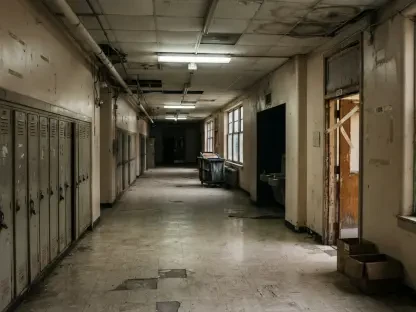

The rhythmic sounds of learning at Mothelesi Primary School are increasingly overshadowed by the unsettling creaks of a building that is slowly yielding to the weight of time and geological instability. Located in the village of Shaleng near Taung, this educational institution has become a symbol of the profound infrastructure challenges currently facing the North West Department of Education. For the students and staff who occupy these premises daily, the promise of a total rebuild scheduled for 2027 offers a glimmer of hope, yet the interim period is fraught with significant anxiety. The current state of the facility has deteriorated to such an extent that minor repairs are no longer a viable solution, prompting a full-scale redevelopment plan. This situation highlights a critical intersection between public safety and administrative procedure. As the project moves through its planning stages, the immediate concern remains the integrity of the existing walls and roofs which must protect the children until the modern replacement is finalized.
Fragile Foundations: Structural Hazards and Community Anxiety
Sinah Gaoagwe, the chairperson of the School Governing Body, has emerged as a vocal advocate for the safety of the children, describing a school environment that has shifted from a place of academic growth to one of daily survival. The visible structural compromises have led to a pervasive fear that the buildings could undergo a sudden collapse, potentially trapping learners beneath the rubble. This state of constant vigilance has severely hindered the educational process, as teachers find it difficult to maintain focus when every heavy rain or gust of wind signals a potential disaster. The community remains on edge, watching as cracks widen in the masonry and ceilings sag under the pressure of aging materials. While the department has formally acknowledged these dangers, the psychological toll on the families in Shaleng continues to mount. Every morning, parents are forced to make a harrowing choice between their children’s long-term academic future and their immediate physical safety within these walls.
Compounding the physical danger is a significant erosion of trust between the local residents and provincial authorities, primarily due to the lack of transparent, written communication. Although government officials have visited the site and offered verbal assurances regarding the reconstruction, the absence of a documented timeline has left many feeling that their concerns are being dismissed. This communication gap has fostered a volatile atmosphere in which community activists feel cornered, yet they remain hesitant to engage in public demonstrations. Many fear that taking to the streets to demand faster action might result in legal consequences or further delays, effectively silencing the very people most affected by the crisis. This sense of paralysis is exacerbated by the feeling that the bureaucratic machinery is moving far slower than the rate of structural decay. Consequently, the relationship between the state and the stakeholders is currently defined by deep skepticism and an urgent need for visible progress.
Subterranean Risks: Navigating Complex Geological Formations
Addressing these concerns, MEC Viola Motsumi has detailed the intricate technical obstacles that have historically hampered the progress of the redevelopment project. The site is situated on a complex geological formation characterized by a mixture of hard shale and potentially hazardous dolomitic soil, which requires specialized engineering solutions to ensure long-term stability. Replacing a school in such a region is not merely a matter of construction but an exercise in advanced risk mitigation. The presence of dolomite is particularly concerning because of its tendency to develop sinkholes when exposed to certain environmental conditions or improper drainage. To ignore these subterranean realities would be to risk the safety of the new structures before they are even completed. Therefore, the department has prioritized a thorough scientific investigation over a rushed construction schedule. This technical prudence is intended to ensure the new facility will remain a secure fixture for the village.
The Council for Geoscience has played a pivotal role in this process, conducting rigorous assessments to determine the exact composition of the ground beneath the school. These studies are essential for drafting a site development plan that can withstand the unique pressures of the Shaleng landscape. While these geological surveys are time-consuming and contribute to the perceived delay, they are a non-negotiable step in the modern construction process mandated by safety regulations. By identifying the specific areas of instability, engineers can design foundations that are specifically tailored to the local soil profile, thereby preventing the foundation failures that plague the current buildings. This meticulous approach to site preparation reflects a broader shift toward data-driven infrastructure development within the province. However, the lengthy duration of these assessments remains a point of contention for a community that perceives every passing day as an increased risk.
Strategic Reconstruction: Milestones and Future Implementation
Despite the ongoing challenges, several administrative milestones have already been achieved, indicating that the groundwork for the 2027 rebuild is steadily being laid. The department successfully completed the installation of high-security fencing to protect the site, and the comprehensive site development plans have received official approval. Currently, the project has entered a detailed design phase that is expected to continue through the remainder of 2026. This phase involves finalizing the architectural specifications and ensuring that every aspect of the new school meets the latest safety and educational standards. Once the designs are perfected, the project will move into the formal bidding and procurement stage, which is a critical step in maintaining transparency and fiscal responsibility. The structured roadmap is designed to prevent the pitfalls of poor craftsmanship and project mismanagement that often occur when infrastructure is rushed to meet political demands.
The school management and local leaders collaborated on interim safety protocols to monitor the existing structures until ground was broken for the new facility. Early efforts focused on securing the perimeter and finalizing the geological data, while the strategic focus shifted toward maintaining the current facility’s stability. Proactive maintenance and regular structural inspections were prioritized to mitigate the risk of injury during the transition period. Ultimately, the framework for this redevelopment provided a blueprint for how the department handled high-risk infrastructure projects in geologically sensitive areas. These lessons emphasized the need for earlier intervention and more robust communication with rural communities. The process established a clear precedent for balancing administrative compliance with the urgent safety requirements of the learners. By the time the contractor was ready for appointment, the foundation for a successful partnership had been laid through these preparatory actions.