
Introduction
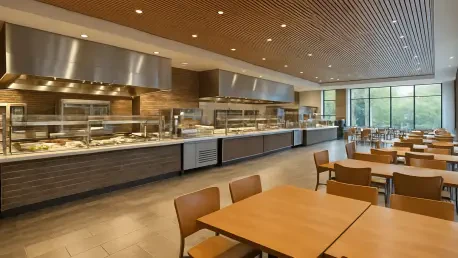
The relentless rhythm of a campus dining hall often functions more like an industrial manufacturing facility than a traditional restaurant, demanding a level of mechanical precision that few other sectors can match. In these high-pressure environments, thousands of students depend on a complex web of technology to deliver nutritious meals within very narrow windows of time. This article explores the strategic necessity of preventative maintenance as a core component of higher education foodservice management. By examining the logistical and technical requirements of campus kitchens, the discussion highlights why proactive care is no longer a luxury but a fundamental requirement for institutional success.
The primary objective of this analysis is to provide a comprehensive understanding of how routine maintenance impacts every facet of university dining, from food safety compliance to budgetary stability. Readers can expect to learn about the specific risks associated with equipment failure and the long-term rewards of adopting a structured maintenance schedule. The scope covers the technical aspects of kitchen machinery and the broader organizational benefits of moving away from a reactive, crisis-driven repair model. Ultimately, the guide serves as a resource for directors and facility managers seeking to optimize their operations during the current academic cycle.
Why Does Preventative Maintenance Serve as the Primary Defense for Food Safety?
Maintaining a safe dining environment on a university campus requires constant vigilance over the thermal conditions of stored and prepared food. The health of the student population depends on refrigeration and heating systems that function exactly as designed, without fluctuation. When a walk-in cooler or a prep table fails to hold the required temperature, it creates an environment where bacteria can multiply rapidly, potentially leading to widespread foodborne illness outbreaks. Preventative maintenance addresses these risks before they manifest by ensuring that every component of the cold chain remains airtight and efficient.
Technical experts emphasize that food safety is often compromised by small, invisible mechanical failures rather than total system shutdowns. For instance, a worn door gasket or a slightly dusty condenser coil might cause a refrigeration unit to hover just inside the temperature danger zone, which is between forty-one and one-hundred-thirty-five degrees Fahrenheit. Routine inspections involve the meticulous calibration of thermostats and sensors to verify that digital readings match actual internal temperatures. By keeping these systems in peak condition, institutions eliminate the guesswork involved in health code compliance and provide a reliable foundation for daily food preparation.
Furthermore, the structural integrity of cooking equipment is just as vital as the cooling systems. Hot-holding units and industrial ovens must provide consistent heat to ensure that proteins reach safe internal temperatures. A routine maintenance program includes the testing of heating elements and the cleaning of grease-laden exhaust systems, which not only preserves food quality but also reduces the risk of kitchen fires. Through these proactive measures, dining operations can maintain a sterling reputation for safety while meeting the rigorous standards set by local health departments and university administration.
How Does Consistent Equipment Upkeep Prevent Major Service Disruptions?
Campus dining is defined by intense peak periods where hundreds of students arrive simultaneously between classes, leaving no room for equipment downtime. In such a high-volume setting, the failure of a single industrial dishwasher or a primary convection oven can lead to a cascading series of operational bottlenecks. These disruptions do more than just slow down service; they increase the stress levels of the kitchen staff and force sudden, unpopular changes to the daily menu. Consequently, the reliability of kitchen machinery is directly tied to the overall student experience and the morale of the culinary team.
Adopting a preventative mindset shifts the operational focus from managing crises to delivering high-quality service. When technicians perform regular check-ups, they can identify frayed belts, leaking valves, or worn bearings that are on the verge of failing. Replacing these parts during scheduled downtime—such as over a weekend or during a semester break—ensures that the machinery is ready for the rigors of a full-capacity lunch rush. This level of predictability allows dining managers to plan their labor and inventory with confidence, knowing that their infrastructure will support the planned volume of production.
Moreover, the psychological impact of reliable equipment should not be underestimated. Kitchen staff who work with well-maintained tools are generally more efficient and less prone to burnout compared to those constantly battling malfunctioning gear. A smooth-running kitchen fosters a professional atmosphere where the focus remains on culinary excellence rather than mechanical troubleshooting. By prioritizing routine care, university dining programs create a resilient environment that can withstand the demands of the academic year without the constant threat of operational paralysis.
What Are the Long-Term Financial Benefits of Moving Away from Reactive Repairs?
While some administrators might view preventative maintenance as an additional line item in the budget, it is actually a sophisticated cost-saving strategy. The financial reality of institutional foodservice is that reactive repairs are almost always significantly more expensive than scheduled upkeep. When a critical machine breaks down unexpectedly, the institution is often forced to pay premium emergency labor rates and expedited shipping costs for replacement parts. In some cases, the cost of an emergency fix can represent a significant portion of the price of a brand-new unit, making the reactive approach fiscally unsustainable.
Beyond the immediate repair costs, a consistent maintenance program extends the total lifespan of expensive kitchen assets. High-tech equipment like combi ovens and large-scale refrigeration systems represent substantial capital investments that are intended to last for many years. When these machines are neglected, they must work harder to achieve the same results, leading to premature wear and total system failure years ahead of schedule. Regular cleaning, lubrication, and part replacement ensure that the university maximizes its return on investment, allowing for more predictable capital expenditure cycles and better long-term financial planning.
Furthermore, energy efficiency plays a major role in the fiscal impact of routine care. Kitchen equipment that is dirty or poorly calibrated consumes significantly more electricity and water than machines in optimal condition. For a large university dining hall, these incremental utility costs can add up to thousands of dollars over the course of an academic year. By keeping condenser coils clean and ensuring that seals are tight, facilities can lower their carbon footprint and reduce utility bills simultaneously. Therefore, proactive maintenance serves as a dual investment in both the longevity of the equipment and the overall sustainability of the campus budget.
Which Specific Kitchen Systems Demand the Most Rigorous Oversight?
A holistic maintenance plan must address a wide variety of technologies, each with its own set of vulnerabilities. Cold chain management systems, including walk-in freezers and refrigerated display cases, typically require the most frequent attention due to their constant operation. Technicians focus on refrigerant levels and the cleanliness of the cooling fins to prevent the compressors from overworking. Since these units run twenty-four hours a day, even a minor drop in efficiency can lead to high energy costs and a shortened motor life.
Sanitation systems represent another critical area of focus, as a malfunctioning flight-type dishwasher can halt the entire dining cycle in minutes. These machines rely on a precise balance of water pressure, temperature, and chemical dispensing to ensure that every tray and utensil is properly sanitized. Routine checks involve descaling heating elements and inspecting wash arms for blockages caused by food debris. Ensuring these systems are operational is essential not only for cleanliness but also for maintaining the fast-paced flow of a high-capacity dining hall where plate turnover is constant.
Finally, specialized beverage and hydration stations, such as ice machines and soda dispensers, require dedicated oversight to prevent biological growth and mechanical failure. Ice machines are particularly susceptible to mold and mineral buildup, which can affect the taste of the ice and eventually cause the freezing cycle to fail. Regular deep cleaning and filter replacements are necessary to keep these units producing safe, high-quality ice for the student body. By addressing these specific categories through a structured schedule, dining departments can ensure that every aspect of the facility is prepared to meet the needs of the community.
Summary: Reinforcing the Value of Regular Upkeep
The analysis of university dining operations highlights that preventative maintenance is the backbone of a successful institutional program. By addressing mechanical issues before they lead to failure, colleges can ensure a high standard of food safety and operational reliability. The shift from reactive to proactive care protects the student experience by preventing long lines and menu substitutions that often follow an equipment breakdown. Furthermore, the financial data supports the idea that routine care is a cost-effective alternative to emergency repairs, providing a better return on investment for the university’s capital assets.
The implications for dining directors are clear: a well-maintained kitchen is a safer, more efficient, and more profitable environment. Partnerships with professional service providers allow institutions to leverage specialized expertise that might not be available in-house. These collaborations ensure that complex modern equipment, such as programmable ovens and advanced refrigeration controllers, receives the technical attention required for long-term durability. Ultimately, the systematic care of kitchen infrastructure is an essential practice that allows dining teams to focus on their primary mission of nourishing the campus community.
Final Thoughts: Moving Toward a Proactive Operational Model
The transition toward a fully proactive maintenance model represented a significant shift in how university dining facilities approached their daily responsibilities. Administrators who embraced this change discovered that the initial investment in scheduling and professional inspections paid off through reduced stress and stabilized budgets. The evidence gathered from high-performing institutions showed that a culture of care extended the life of critical machinery and improved the overall hygiene of the food preparation environment. These steps moved the industry away from the old standard of waiting for things to break, creating a more resilient framework for the future.
Looking forward, the integration of smart diagnostic technology and data-driven maintenance schedules will likely become the new standard for higher education. Decision-makers should have considered how these advancements could further streamline their operations and reduce the likelihood of human error in the maintenance process. By staying informed about the latest trends in kitchen technology and prioritizing routine oversight, campus leaders secured their ability to serve their students effectively. This evolution in facility management proved that the most successful dining programs were those that treated their equipment with the same level of care and attention as the food they served.