
The transition from a theoretical understanding of human anatomy to the high-stakes environment of a modern clinical setting represents one of the most significant hurdles in a healthcare student’s academic journey. For many aspiring nurses, the gap between textbook knowledge and hands-on patient care can feel insurmountable without the proper bridge to connect these two distinct worlds. At the University of Nevada, Reno, pre-nursing students such as Fatima Gonzalez Lopez and Jaqueline Barba Gomez are utilizing innovative pathways to cross this divide before they even begin their formal clinical rotations. By engaging with specialized microcredentialing and employment opportunities within the Orvis School of Nursing Simulation Lab, these individuals are cultivating a rare blend of technical proficiency and professional confidence. This early exposure serves as a critical intervention, ensuring that the next generation of healthcare providers is not only academically prepared but also operationally fluent in the complex technologies that define modern medicine. Such initiatives highlight a growing trend in higher education where practical labor and specialized certifications are integrated directly into the undergraduate experience.
Bridging Theory and Practice through Microcredentialing
Technical Mastery: The HSTS Microcredential
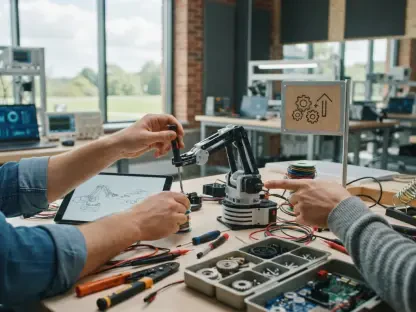
The Healthcare Simulation Technology Specialist (HSTS) microcredential has emerged as a cornerstone for students looking to distinguish themselves in a competitive academic landscape. This program provides an intensive introduction to the technical infrastructure of healthcare training, covering everything from the maintenance of high-fidelity mannequins to the management of complex audiovisual systems used for debriefing sessions. For students like Gonzalez Lopez and Barba Gomez, completing this certification was not merely an academic exercise; it was a prerequisite that opened the door to meaningful employment within the university. The curriculum focuses on the intersection of medical science and technology, requiring students to understand how various physiological monitors and simulation software function in tandem to recreate realistic patient scenarios. By mastering these tools, students gain a unique perspective on the mechanics of healthcare delivery, learning to troubleshoot equipment and prepare environments that challenge even the most experienced nursing candidates. This technical literacy ensures that faculty can focus on instruction while student workers maintain the operational integrity of the lab.
Operational Excellence: Practical Application in the Lab
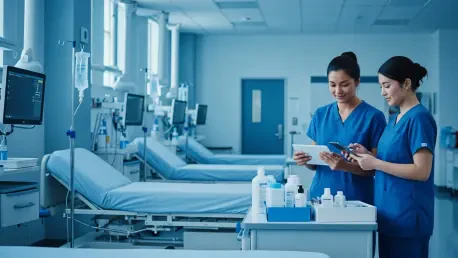
Following the completion of their initial training, these pre-nursing students transitioned into roles as student workers, where their responsibilities expanded into the daily management of clinical learning environments. In the simulation lab, the work is both meticulous and demanding, requiring a keen eye for detail when organizing medical supplies, setting up specialized equipment, and ensuring that every simulated patient room is ready for instruction. This role allows students to observe advanced nursing peers as they navigate complex scenarios, providing a front-row seat to the challenges and successes of the nursing program. Beyond simple organization, the position encourages hands-on skill development, such as practicing suturing techniques or learning the proper handling of medical instruments under the guidance of seasoned professionals. Director of Simulation Haley McNeil has noted that the foundational knowledge provided by the HSTS microcredential allows these students to contribute significantly to the lab’s mission. By the time they officially apply to nursing school, they have already developed a level of comfort with the clinical environment that typically takes years to cultivate, effectively reducing the anxiety often associated with the start of professional medical training.
Driving Forces and Personal Foundations
Lived Experience: Personal Motivations and Advocacy
The path toward a nursing career is often paved with personal experiences that instill a deep sense of purpose and a commitment to patient advocacy. For Jaqueline Barba Gomez, the motivation to enter the field was solidified after witnessing the transformative power of nursing care during her father’s recovery from a stroke. Observing the empathy and clinical skill required to navigate such a health crisis left a lasting impression, shaping her view of nursing as a vital form of community service. Similarly, Fatima Gonzalez Lopez is driven by a desire to bridge the healthcare gaps that often affect underserved populations, particularly families who face linguistic or systemic barriers to quality care. Both students identify as first-generation college attendees, a status that brings unique challenges but also a profound drive to succeed for the sake of their families and communities. Their backgrounds foster a consensus that effective healthcare is as much about compassionate communication and advocacy as it is about clinical precision. This perspective is vital in the simulation lab, where they help create scenarios that reflect the diverse needs and backgrounds of the patients they will one day serve in professional settings.
Mentorship and Access: The Impact of Upward Bound
Sustaining the momentum required to navigate the pre-nursing track often depends on robust social support systems and early intervention programs. Both Gonzalez Lopez and Barba Gomez credit the Upward Bound program with playing a pivotal role in their ability to envision and pursue a career in medicine. By providing mentorship, academic resources, and a sense of community, such programs demystify the complexities of higher education for students who may not have a family history of university attendance. In 2026, the importance of these initiatives remains clear as they continue to diversify the pipeline of healthcare professionals entering the workforce. The transition from high school to a rigorous university environment was made more manageable through the guidance received in these preparatory programs, which emphasized that academic success is attainable through persistence and the utilization of available resources. At the Orvis School of Nursing, this foundation of mentorship is further strengthened by the collaborative environment of the simulation lab. As these students work alongside faculty and peers, they are not only building a professional network but also reinforcing the belief that they belong in the healthcare field, despite the historical barriers that often discourage first-generation scholars.
Future Perspectives: Evolving Healthcare Education
The integration of student employment with specialized microcredentialing established a robust framework for professional development that other institutions sought to replicate. By treating the simulation lab as both a classroom and a workplace, the university provided Gonzalez Lopez and Barba Gomez with a dual-threat skill set that combined technical expertise with an intimate understanding of clinical workflows. This approach addressed the ongoing need for healthcare workers who were comfortable with the rapid pace of technological change in the medical sector. The students demonstrated that early exposure to the “behind-the-scenes” aspects of nursing—such as lab preparation and technology maintenance—created more resilient and adaptable candidates for nursing programs. As they moved forward, the lessons learned in the lab served as a blueprint for balancing technical demands with the human elements of care. Educators observed that students who participated in these programs were better equipped to handle the stresses of clinical rotations, as they had already mastered the environment in which they would be evaluated. The success of this model suggested that the future of nursing education would increasingly rely on these hybrid experiences to produce well-rounded, tech-savvy, and deeply empathetic healthcare professionals.