
The landscape of education across southwestern Pennsylvania is undergoing a fundamental transformation as districts move from the frantic acquisition of hardware to a more disciplined and purposeful integration of digital tools within the classroom. This shift toward intentionality recognizes that while devices like Chromebooks and tablets are ubiquitous, their presence does not automatically equate to better learning outcomes. Administrators are now measuring the success of their digital initiatives by the depth of student engagement and the mastery of complex concepts rather than the sheer number of screens in use. By weighing the immediate benefits of high-tech tools against the enduring necessity of “unplugged” time, educators are crafting a curriculum that fosters both technical proficiency and essential human skills. This evolution requires a delicate balance between modern efficiency and traditional pedagogy, ensuring that technology serves as a supplement to, rather than a replacement for, vibrant group discussions, physical activities, and social-emotional development.
Structured Frameworks: Moving Beyond Digital Substitution
In districts such as Trinity Area, the philosophy regarding classroom technology has shifted toward a model where digital tools are viewed as a catalyst for curiosity rather than a default requirement for every lesson. To maintain high instructional standards, educators have implemented a rigorous four-tier scale to determine if a specific digital tool truly adds value to the educational experience. This framework ranges from the basic substitution of paper worksheets with digital versions to a complete redefinition of classroom possibilities through advanced software. By utilizing such a structured approach, the district prevents the use of technology for its own sake and ensures that every minute a student spends in front of a screen has a clearly defined instructional purpose. This method also encourages teachers to be more critical of the software they introduce, prioritizing platforms that challenge students to think critically and solve problems creatively rather than simply consuming digital content passively.
Beyond the mechanics of daily lessons, there is a growing emphasis on digital literacy and the ethical implications of living in a hyper-connected society. Schools are introducing tech literacy classes early in the curriculum to teach students that their digital footprints and online behaviors carry lifelong consequences that extend far beyond the classroom walls. This proactive education includes exposure to the ethics of artificial intelligence, helping students understand the responsibilities and potential biases associated with these powerful tools. By embedding these concepts into the early years of schooling, districts are preparing students to navigate the complexities of the modern world with a sense of responsibility and awareness. This focus on digital citizenship ensures that as students become more proficient with technology, they also develop the moral compass necessary to use those tools for positive contributions to society, thereby bridging the gap between technical skill and ethical behavior.
Human Connection: Preserving Interpersonal Skills in a Digital Age
While many regional districts continue to utilize 1:1 device programs that provide a computer for every student, there is a strong and coordinated push to protect the interpersonal communication skills that screens can sometimes hinder. The Washington School District, for instance, has placed a renewed emphasis on “unplugged” collaborative problem-solving to ensure that students do not lose the ability to empathize or engage in meaningful face-to-face dialogue. This approach treats technology as just one tool among many in a teacher’s arsenal, rather than the primary medium for all types of learning. By carving out dedicated time for non-digital interaction, schools are helping students build the social-emotional intelligence required for successful teamwork and leadership. Educators have observed that when students are removed from the digital environment, they are more likely to pick up on non-verbal cues and develop the patience necessary for complex, cooperative tasks that require immediate feedback.
Concerns regarding developmental risks and the impact of excessive screen time have led some districts, such as Canon-McMillan, to significantly scale back technology use for their youngest learners. By removing personal devices from kindergarten through second-grade classrooms, administrators aim to prevent a potential “domino effect” of negative outcomes related to vision, sleep quality, and the development of fine motor skills. This regional trend highlights a growing priority of physical and social milestones over early screen exposure, acknowledging that the foundational years of education are critical for developing sensory-motor skills that screens cannot replicate. Instead of digital apps, these younger students focus on tactile learning, handwriting, and physical play, which are essential for cognitive growth. This strategic reduction in technology ensures that students enter their later elementary years with a solid foundation in physical health and social readiness, better preparing them for the digital integration that follows.
Career Readiness: Aligning Instruction with Professional Demands
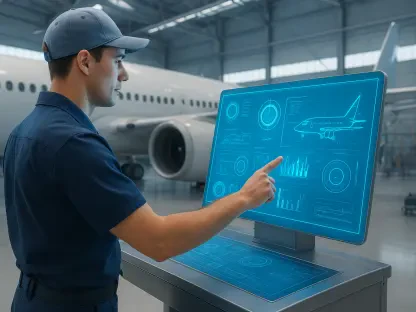
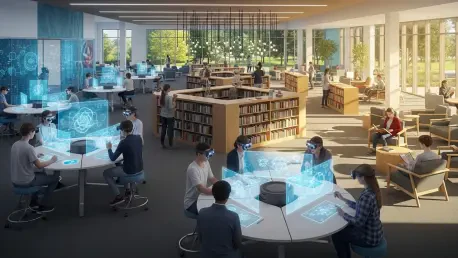
For older students, the educational focus remains firmly on career readiness and the high-impact application of technology that would be impossible to achieve in a traditional, non-digital setting. Virtual reality is increasingly being utilized in science and technical classes to transport students to distant ecosystems or complex industrial environments, providing hands-on experiences that were previously inaccessible from a local classroom. These tools allow students to explore various career paths in fields such as medicine, engineering, and environmental science by simulating real-world scenarios that demand quick thinking and technical precision. By integrating these advanced platforms into the high school curriculum, districts are ensuring that graduates are not only familiar with modern hardware but are also capable of using it to perform specialized tasks. This high-level engagement helps students bridge the gap between theoretical knowledge and the practical skills required by contemporary employers.
To further these goals, local districts are actively partnering with workforce organizations to create a direct pipeline of graduates who are fluent in coding, data analysis, and digital ethics. The objective is to ensure that students enter the workforce not just as passive consumers of technology, but as skilled professionals who understand how to leverage these tools effectively and responsibly. This preparation is essential for success in an economy where digital fluency is often a prerequisite for even entry-level positions. Through internships and collaborative projects with local businesses, students gain insights into how technology is applied in the professional world, from managing complex logistics to developing new software solutions. These partnerships provide a reality check for the curriculum, ensuring that the skills taught in the classroom remain relevant to the rapidly evolving needs of the global market, thereby giving regional graduates a competitive edge in their future careers.
Inclusive Innovation: Enhancing Access for Diverse Learners
Technology acts as a vital equalizer for students with disabilities across the region, providing access to the curriculum that was previously unavailable through traditional teaching methods. Through specific evaluation frameworks that assess a student’s environment and specific learning tasks, Intermediate Unit 1 integrates various adaptive tools like screen readers and specialized microphones to ensure all students can participate alongside their peers. For these learners, technology is not merely an enhancement or a luxury; it is a fundamental necessity that breaks down barriers to communication and comprehension. By tailoring digital solutions to the unique needs of each individual, educators can create a more inclusive environment where every student has the opportunity to succeed. This strategic use of assistive technology allows students with diverse abilities to demonstrate their knowledge and engage with complex material in ways that were once thought impossible, fostering a sense of belonging.
The use of versatile hardware, such as iPads, has become a cornerstone of special education programs due to their ability to host a wide variety of assistive applications in a cost-effective manner. These devices allow for a high degree of customization, enabling teachers to provide personalized support that can be adjusted as a student progresses. This strategic application of technology ensures that inclusivity remains a top priority, allowing students with specialized needs to reach the same educational goals as the rest of the student body. By bridging the gap between ability and opportunity, these digital tools foster a more equitable learning environment that benefits the entire school community. Furthermore, the portability and intuitive interface of these devices make them ideal for students who may struggle with traditional computer setups, ensuring that the focus remains on learning rather than on the mechanics of the device. This commitment to accessibility reflects a broader regional mission to serve every student.
Future-Facing Strategies: Sustainable Models for Digital Integration
Administrators recognized that the path forward for sustainable education required more than just updated software; it demanded a culture of continuous evaluation and professional development. They prioritized training for staff, ensuring that every educator understood the pedagogical reasoning behind their chosen digital platforms. By investing in long-term infrastructure and mental health support, schools solidified a model that honored both technological proficiency and human well-being. These leaders established protocols that limited screen exposure while maximizing the depth of digital interaction, creating a balanced daily schedule for students. Such measures ensured that the next generation remained grounded in reality while mastering the tools of the virtual world. Ultimately, the focus shifted from the devices themselves to the measurable growth of the students who used them, marking a successful transition into a more mature era of digital education that valued human connection.
Moving forward, schools sought to refine their digital ecosystems by conducting regular audits of software effectiveness and student data privacy. This proactive approach allowed districts to divest from underperforming tools and reinvest those resources into emerging technologies that offered higher educational returns, such as advanced simulation software and collaborative platforms. They fostered a feedback loop between teachers, students, and parents to ensure that technology remained a helpful partner in the learning process rather than a source of distraction or stress. By maintaining this transparent dialogue, the school districts successfully navigated the complexities of a tech-heavy society while preserving the core values of traditional education. These strategies provided a blueprint for other regions to follow, demonstrating that a thoughtful, human-centric approach to technology could enhance learning without compromising the social and physical health of the student body.