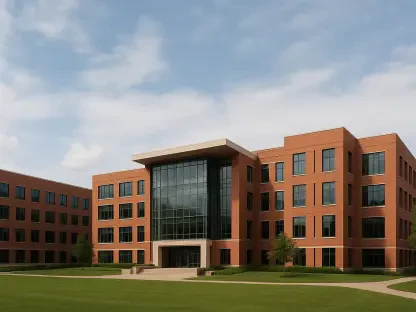

The educational landscape of South Andaman underwent a transformative shift on April 30 as local authorities inaugurated a dedicated pre-primary wing at the Zilla Parishad Vivekananda Kendra Vidyalaya in Ferrargunj. This development represents a calculated move to prioritize early childhood development as the primary catalyst for long-term academic excellence and cognitive maturity. Adhyaksh Prakash Adhikari and Chief Executive Officer Rajanish Singh emphasized that establishing a strong foundational phase is no longer an optional luxury but a fundamental necessity for rural competitiveness. By creating a specialized environment for the youngest learners, the school seeks to bridge the existing gap between early potential and structured academic achievement. This initiative moves beyond mere facility expansion; it signifies a deeper institutional commitment to nurturing social and emotional intelligence alongside basic literacy. As educational standards evolve rapidly, Ferrargunj’s new facility serves as a benchmark for community-led progress within the region’s public schooling system. The strategic focus on early intervention ensures that children in semi-urban areas are not left behind by the digital and pedagogical advancements seen in major urban centers. This opening marks a pivotal moment for the Zilla Parishad’s broader mission to modernize rural education throughout the islands.
Strategic Foundations for Learning
Modern Pedagogy: Shifting from Rote to Activity
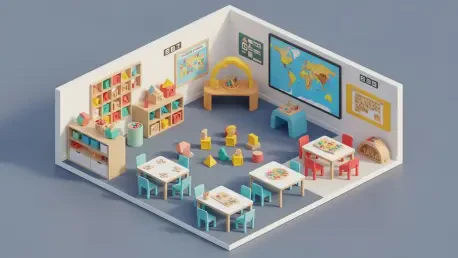
The implementation of the new curriculum at the Ferrargunj wing centers on activity-based learning, which significantly departs from the traditional rote memorization methods that once dominated the local educational scene. This modern approach recognizes that young children learn most effectively through exploration, tactile interaction, and guided play, which stimulate neural pathways essential for critical thinking. By integrating sensory activities and collaborative projects, teachers can observe individual learning paces and tailor their support to meet specific developmental needs. This transition is not merely a change in classroom routine but a psychological pivot that encourages students to become active participants in their own intellectual growth. The curriculum focuses on developing curiosity and problem-solving skills, which are the cornerstones of future success in scientific and mathematical disciplines. Such an environment fosters a sense of agency in children, allowing them to feel confident in their ability to navigate complex tasks and social dynamics from a very early age.
Building on this pedagogical shift, the facility incorporates interactive instructional tools designed to make abstract concepts more tangible for pre-primary students. These modern resources allow educators to present information through diverse media, catering to visual, auditory, and kinesthetic learners alike. The goal is to provide a balanced educational diet that prepares students for the technological demands of the late 2020s while maintaining a focus on core motor skills and social ethics. Furthermore, the environment is structured to encourage peer-to-peer interaction, which is vital for developing empathy and communication skills. Teachers are trained to facilitate discussions and group activities that require children to share resources and ideas, mirroring the collaborative nature of the modern global workforce. By investing in these sophisticated early learning methods, the Zilla Parishad is laying a groundwork that reduces the likelihood of academic struggle in later years. The ripple effect of this specialized training is expected to enhance the overall classroom culture across all grade levels within the institution, creating a more dynamic and responsive learning atmosphere.
Rural Development: Bridging the Resource Gap
One of the most significant challenges in the regional educational sector has been the disparity between rural facilities and their urban counterparts, a gap that this new wing directly addresses. By providing Ferrargunj with infrastructure comparable to the best schools in Port Blair, the administration is ensuring that geographic location does not dictate the quality of a child’s foundational education. This push for equity is a central pillar of the local government’s strategy to prevent the brain drain and socio-economic stagnation often found in more remote areas. High-quality pre-primary education acts as a socioeconomic equalizer, giving children from diverse backgrounds a level playing field before they enter primary school. The investment in Ferrargunj specifically targets a demographic that has historically had limited access to structured early childhood programs. By localizing these high standards, the community gains a renewed sense of pride and stability, knowing that their children are receiving the best possible start in life without needing to relocate. This localized empowerment is essential for the sustainable growth of the South Andaman district as a whole.
The long-term implications of this facility extend far beyond the immediate classroom experience, influencing the broader economic trajectory of the Ferrargunj community. Research consistently shows that every dollar invested in early childhood education yields a significant return in terms of higher graduation rates and improved workforce productivity. By strengthening the foundational stage, the school is essentially future-proofing the local economy by cultivating a generation of highly skilled and adaptable individuals. This proactive approach helps to mitigate the costs associated with remedial education and social services that often arise when foundational learning is neglected. The Zilla Parishad’s focus on this specific educational tier demonstrates a sophisticated understanding of human capital development. As students progress through the 2026 to 2028 academic cycles, the data collected from this pilot-style implementation will likely inform future expansions across other parts of the archipelago. This strategic resource allocation ensures that the district remains competitive and capable of meeting the evolving demands of the national educational standards, ultimately fostering a more resilient and educated populace.
Building a Sustainable Educational Ecosystem
Community Synergy: The Role of Parental Engagement
A vital component of the success of the new pre-primary wing is the active involvement of parents and the surrounding community in the daily educational process. Officials at the inauguration stressed that a school cannot function in isolation; it requires a symbiotic relationship with the home environment to truly flourish. To facilitate this, the school has established new protocols for regular parent-teacher interactions and workshops that empower guardians to support their children’s learning journeys. These sessions provide parents with practical strategies for reinforcing the activity-based concepts taught in school, ensuring a consistent developmental message across all settings. When parents are engaged, students show higher levels of motivation and better attendance, which are critical metrics for early academic success. This collaborative model transforms the school into a community hub where education is viewed as a shared social responsibility rather than a service provided by the state. By fostering these strong ties, the institution builds a safety net that supports children through their most vulnerable developmental milestones, creating a robust framework for personal and academic growth.
This emphasis on community synergy also plays a major role in preserving the unique cultural fabric of the Ferrargunj area while introducing modern educational standards. The school serves as a bridge between traditional values and global perspectives, allowing children to develop a strong sense of local identity alongside their burgeoning academic skills. Community leaders have praised the initiative for its ability to bring residents together around the common goal of child development, which strengthens social cohesion. Furthermore, the presence of such a modern facility encourages local families to invest more time and resources into the school’s various extracurricular programs and infrastructure projects. This collective investment creates a virtuous cycle where improved education leads to greater community engagement, which in turn leads to further institutional enhancements. The social impact of the pre-primary wing is therefore measurable not only in test scores but in the increased vitality and connectivity of the neighborhood. By treating education as a collaborative ecosystem, the Zilla Parishad is ensuring that the benefits of the new wing reach every corner of the community, fostering a culture that deeply values lifelong learning.
Institutional Evolution: Vision for the Next Triennium
The inauguration of the pre-primary section at ZPVKV is part of a comprehensive master plan by the Zilla Parishad to revolutionize regional education from 2026 to 2028. This strategy involves not only the construction of new physical spaces but also a complete overhaul of the training modules provided to teaching staff. Educators are now undergoing specialized professional development to master the latest pedagogical techniques and digital integration strategies required for a 21st-century classroom. This commitment to continuous improvement ensures that the high standards set at the opening are maintained and even surpassed in the coming years. The administration is also looking at expanding this model to other schools within the South Andaman district, using Ferrargunj as the primary template for success. By standardizing the quality of pre-primary education, the authorities aim to create a cohesive educational pipeline that prepares students for the complexities of higher education and beyond. This visionary approach reflects a shift toward data-driven decision-making, where the progress of the students in Ferrargunj will be closely monitored to refine and optimize educational policies for the entire island chain.
In reflecting on the successful launch, the Zilla Parishad demonstrated a clear path forward for enhancing local literacy and cognitive development. The school’s leadership immediately implemented a feedback loop to capture initial observations from the first cohort of students, ensuring that the facility remained responsive to real-world needs. Moving forward, the focus shifted toward integrating these early learners into the broader school community through joint events and cross-grade mentorship programs. This approach solidified the pre-primary wing’s role as an essential pillar of the institution’s long-term growth strategy. Stakeholders were encouraged to maintain the momentum by supporting ongoing facility upgrades and participating in local school board meetings. The success of this project provided a scalable model for other rural districts to follow, proving that targeted investments in the earliest years of schooling yield the most significant societal benefits. By prioritizing these foundational improvements, the community ensured that the children of Ferrargunj were equipped with the tools necessary to thrive in an increasingly competitive academic landscape, securing a brighter future for the entire region.