
The long-term preservation of institutional infrastructure represents a constant struggle for private universities attempting to balance rising operational costs with the necessity of providing modern facilities for a growing student population. North Carolina Wesleyan University, a prominent fixture in the Rocky Mount region, recently addressed this challenge by securing a substantial $200,000 state appropriation dedicated specifically to critical campus repairs. This financial injection serves as a lifeline for maintaining the structural integrity of key facilities that have served as the heartbeat of student life for years. By prioritizing these capital improvements, the university demonstrates a proactive stance toward facility management, ensuring that the physical environment remains conducive to high-level academic and extracurricular engagement. The funding is not merely a budgetary addition but a strategic investment into the longevity of the institution, allowing the campus to avoid the pitfalls of aging infrastructure.
Political Advocacy: Bridging the Funding Gap
Securing such a targeted appropriation required significant legislative navigation, a feat accomplished through the persistent advocacy of North Carolina State Representative Allen Chesser. His commitment to the regional educational landscape was instrumental in highlighting the university’s needs within the state’s broader budgetary priorities. For private institutions like North Carolina Wesleyan University, which often rely on tuition and private donations, state-level support for physical infrastructure is a rare but vital component of financial sustainability. Representative Chesser’s efforts underscore the recognition of the university as a cultural and economic anchor for the Rocky Mount area. This collaboration between state government and private education creates a precedent for how regional representatives can bolster local institutions that provide essential services to their constituents. By successfully making the case for these funds, Chesser helped bridge the gap between necessary maintenance and available institutional liquid assets.
The role of the state in supporting private higher education centers on the understanding that these campuses operate as public goods despite their private status. North Carolina Wesleyan University contributes significantly to the state’s educational output, producing a workforce that is often ready to integrate into local industries immediately upon graduation. When the physical state of the campus begins to show signs of wear, it can detract from the learning environment and even influence student recruitment and retention rates. Therefore, this $200,000 appropriation acts as a stabilizer, ensuring that the university can continue to focus on its core mission of teaching without the constant distraction of mounting facility concerns. This partnership highlights a growing awareness among policymakers that the health of regional universities is directly tied to the health of the communities surrounding them. Such support ensures that the university remains a competitive and attractive option for students.
Facility Integrity: Protecting High-Utilization Spaces
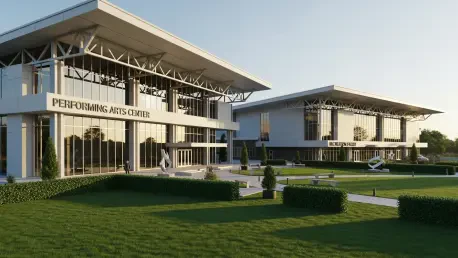
With the funds now secured, the university has identified the Dunn Center for the Performing Arts and the Taylor Recreation Center as the primary recipients of these infrastructure upgrades. The Dunn Center is more than just a campus building; it is a premier regional venue that hosts high-profile cultural events, theatrical performances, and community gatherings. Because it houses sensitive acoustic materials and sophisticated stage equipment, the threat of roof leaks poses a direct risk to millions of dollars in existing assets. Similarly, the Taylor Recreation Center serves as the primary hub for student wellness, intramural sports, and athletic training. Maintaining the integrity of its roof is essential to protect high-end fitness equipment and ensure a safe, dry environment for physical activity. By focusing on these two high-utilization facilities, the administration ensures that the investment covers the spaces where students interact most frequently, maximizing the impact of every dollar.
Addressing these roofing needs represents a proactive strategy aimed at eliminating the cycle of deferred maintenance that often results in catastrophic financial burdens for educational institutions. When minor leaks or structural weaknesses are ignored, they quickly escalate into much larger problems, including pervasive mold growth, structural rot, and the failure of internal electrical systems. By tackling these issues immediately, North Carolina Wesleyan University is effectively preventing a situation where the cost of repairs would multiply tenfold within just a few years. This focus on “critical” improvements allows the university to protect its existing investments while avoiding the disruption of academic or community schedules that often accompanies emergency construction projects. The decision to prioritize roofing specifically highlights an understanding of building envelopes as the first line of defense against environmental degradation. This technical focus ensures that the state’s investment provides the maximum possible protection for long-term assets.
Sustainable Growth: Strategic Resource Allocation
The economic impact of maintaining a vibrant campus extends well beyond the university’s perimeter, directly influencing the local Rocky Mount commercial landscape and workforce development. As a major employer in the region, the university’s ability to maintain high-quality facilities directly affects its capacity to attract and retain talented faculty and staff who contribute to the local tax base. Furthermore, a well-maintained campus is a key factor in attracting a diverse student body, whose local spending in restaurants, retail, and housing serves as a consistent stimulus for the regional economy. When the state invests in campus repairs, it is effectively investing in a local economic engine that provides stability and growth opportunities for the community at large. The relationship between the university’s physical condition and the region’s economic vitality is undeniable, as modern facilities signal a community that is invested in its future. This state-level support reflects a growing recognition that university buildings are shared community assets.
The successful acquisition of these funds allowed the university to practice a higher level of fiscal responsibility by freeing up internal resources for academic innovation. Because the state covered the high-priority capital maintenance, administrators redirected internal budgets toward student-centric initiatives and modernizing classroom technology. This strategic move ensured that the physical environment supported the high standards of academic excellence expected by the student body. Moving forward, other regional institutions looked to this model of legislative advocacy as a roadmap for addressing their own aging infrastructure challenges. The project served as a clear reminder that proactive maintenance schedules and strong political partnerships were essential for institutional resilience. By completing these repairs, North Carolina Wesleyan University established a secure foundation that allowed for long-term planning without the looming threat of facility failure. This approach provided a blueprint for how colleges integrated public support into their broader strategies for growth.