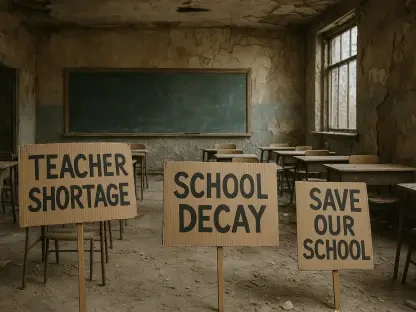

The district’s new educational philosophy emphasizes that while not every student will become a professional chef, every student needs the foundational knowledge to manage personal well-being. Under the leadership of Superintendent Steve Schumacher, the Mount Vernon School District has embarked on a comprehensive modernization journey that blends technical proficiency with essential life skills. This shift is not merely about updating physical structures but about fundamentally reimagining how the educational environment serves the diverse needs of the student body. By prioritizing a holistic approach, the administration is working to ensure that every graduate possesses a versatile toolkit of practical abilities and intellectual habits. This initiative marks a proactive effort to revitalize facilities that have remained largely unchanged for decades, creating a welcoming and functional atmosphere that reflects the district’s commitment to excellence. As the current academic year unfolds, the community is witnessing the results of a systemic plan designed to address both immediate infrastructure needs and the long-term vocational readiness of the youth. The transformation is deep-seated, targeting everything from the air students breathe to the way their highest achievements are celebrated in public spaces. This strategic investment is intended to bridge the gap between traditional scholarship and the multifaceted demands of modern adulthood, fostering a campus culture where every learner feels equipped for the challenges of a rapidly changing world.
Implementing the Inaugural Family and Consumer Sciences Program
The introduction of the Family and Consumer Sciences (FACS) program marks a major shift toward vocational education within the district, addressing a long-standing gap in the curriculum. Previously underutilized space has been meticulously converted into a state-of-the-art laboratory equipped with modern kitchen appliances and dedicated stations for sewing and fashion design. This program is specifically designed to provide students with essential life skills, ensuring they gain foundational knowledge in household management and nutritional wellness. By creating a physical environment that mirrors professional culinary and textile settings, the district is providing a hands-on experience that moves beyond theoretical instruction. Students are now engaging with the mechanics of daily life, learning how to navigate the complexities of budgeting, meal preparation, and personal sustainability.
Staffing this new program required creative problem-solving, as specialized vocational teachers are often difficult to recruit in rural regions. The district successfully transitioned a veteran educator into the role, ensuring that students receive high-quality instruction in a facility designed for maximum utility. Community support played a vital role in this expansion, with local donations of equipment and labor significantly reducing the financial burden on the district. This collaborative effort reflects a strong local commitment to practical education, demonstrating that the community values vocational training as much as traditional academics. The resulting program is not just a classroom but a functional hub where students develop the confidence to manage their future homes and potential careers in the hospitality or design industries.
Revitalizing the Library as a Modern Learning Sanctuary
The joint city-school library recently underwent a $100,000 renovation, marking its first major update since the 1990s and signaling a new era for literacy on campus. What began as a simple carpet replacement project expanded into a total aesthetic and functional overhaul involving new paint, matching furniture, and modern shelving units. This massive logistical undertaking relied heavily on a dedicated network of volunteers and staff to relocate thousands of books during the transition. The result is a cohesive and inviting heart of the school that fosters a deeper engagement with reading and research. By transforming a mismatched collection of old furniture into a sleek, professional environment, the district has created a space that appeals to the sensibilities of contemporary learners while maintaining its core mission as a repository of knowledge.
In addition to physical upgrades, the library now features integrated technology, such as a high-definition Promethean board, to support digital literacy and interactive learning. The refreshed environment is specifically designed to be accessible and inspiring for students of all ages, from kindergartners just discovering the joy of stories to high schoolers conducting complex academic research. The integration of technology allows for a more dynamic use of the space, enabling educators to host multimedia presentations and collaborative workshops. By bridging the gap between traditional print media and modern digital tools, the district has ensured that the library remains the intellectual center of the school. This revitalization provides a professional yet comfortable hub for students to collaborate, study quietly, and explore new ideas in an environment that reflects the high standards of the district.
Elevating Academic Excellence Through Public Recognition
The district is also working to shift its internal culture by placing academic success on the same level of prestige as athletic or musical achievements. A new banner program has been established to honor students who achieve exceptional scores on the ACT, providing visible and explicit recognition of intellectual milestones. These banners are prominently displayed in the school hallways, serving as a permanent reminder of the value the district places on high-level scholarship and consistent hard work. This initiative mirrors the long-standing tradition of hanging championship banners in gymnasiums, ensuring that academic leaders receive the same level of public validation typically reserved for sports. By elevating these intellectual feats, Mount Vernon is fostering a culture where academic drive is both encouraged and celebrated by the entire community.
The first student to receive this honor achieved a perfect score on the ACT, setting a high benchmark for future classes and providing a significant source of inspiration for his peers. This public recognition does more than just reward a single individual; it signals to the entire student body that intellectual rigor is a primary goal of the institution. When younger students walk past these banners, they see a tangible representation of what is possible through dedication and focus. The program has already begun to generate a sense of pride among the faculty and students, reinforcing the idea that academic excellence is a collective victory. By institutionalizing this form of recognition, the district is ensuring that students who excel in the classroom are given a platform that matches their level of effort and achievement, creating a more balanced and comprehensive school identity.
Sustaining Growth Through Systematic Facility Improvements
Beyond the headline projects, the district has engaged in a series of systematic facility upgrades to improve the overall campus environment and ensure long-term durability. This summer, new flooring was installed in the elementary wing and the school kitchen, representing just one phase of a multi-year plan to modernize the entire building infrastructure. Superintendent Schumacher has indicated that these projects are part of a continuous cycle of improvement, with additional flooring replacements scheduled for the high school in the coming year. These updates are essential for maintaining a clean, safe, and professional setting that supports the daily operations of the school. By focusing on high-traffic areas first, the district is making strategic use of its budget to address the most pressing wear and tear while planning for future upgrades.
The primary objective of these ongoing renovations is to create a modern and welcoming atmosphere where students and staff truly want to spend their time. Investing in the physical infrastructure of the school is a direct investment in student success, as a well-maintained environment has been shown to improve morale and retention. These efforts, combined with the new vocational and academic programs, demonstrate a unified vision for a 21st-century learning environment that serves the needs of every student. The district is moving away from reactive maintenance and toward a proactive model of facility management that anticipates needs before they become disruptions. This systematic approach ensures that the school remains a modern, functional asset for the community for years to come, providing a solid foundation for all educational initiatives.
Strategic Trajectories: Preparing the Next Generation of Graduates
The district successfully integrated these diverse upgrades to establish a robust framework for future growth and academic innovation. By modernizing the physical space and the curriculum simultaneously, administrators secured a learning environment that responds to the practicalities of the current economy while maintaining high standards for traditional scholarship. The completion of the FACS lab and the library renovation proved that targeted investments can dramatically change the daily experience of the student body, fostering a sense of ownership and pride in the school facilities. These developments allowed the district to demonstrate its ability to manage complex logistical challenges while keeping the focus on student-centered outcomes. The combined efforts of the staff, school board, and local volunteers resulted in a campus that is better equipped to handle the demands of a modern education.
Moving forward, the district planned to expand these initiatives by incorporating more technology-driven vocational options and continuing the rotation of facility improvements. The administration identified the need for a sustained commitment to infrastructure to prevent the gradual decline seen in previous decades, ensuring that the school remains a top-tier institution. Faculty members were encouraged to utilize the new spaces for cross-disciplinary projects, such as using the FACS lab for chemistry-based culinary experiments or the library’s new tech for collaborative history research. These next steps will involve deeper integration of the community into the school’s daily life, creating a feedback loop that ensures the curriculum stays relevant to local and global needs. By maintaining this momentum, the district established a clear path toward a more versatile and resilient educational model that prioritizes both academic rigor and life-long practical proficiency.