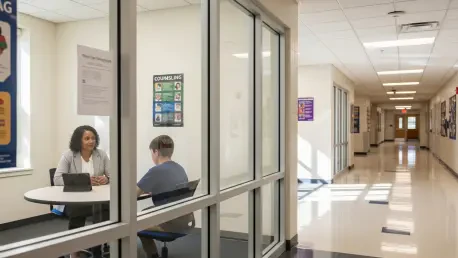

The state of Maryland has officially committed ninety-six million dollars to expand mental health services across its public school system, marking a significant shift in how educational success is defined and supported. This massive investment, which was announced by Lieutenant Governor Aruna Miller, focuses on integrating comprehensive psychological care directly into the daily lives of more than two hundred thousand students throughout the state. By treating emotional well-being as a fundamental requirement for learning rather than a luxury or an extracurricular benefit, officials hope to dismantle the barriers that have long prevented children from reaching their full academic potential. The program emphasizes early intervention and the normalization of clinical support, aiming to create a school environment where seeking help is viewed as a natural and constructive part of the development process. This funding serves as a cornerstone for a larger movement to prioritize the holistic health of the student body by ensuring that every child has the emotional stability required to navigate their academic journey successfully and with confidence.
Addressing the Behavioral Health Crisis
Statistical Urgency: Data-Driven Mental Health Approaches
Current research highlights a sobering trend in adolescent mental health, with thousands of students in the region experiencing severe depressive symptoms and anxiety each year. Statistical data indicates that approximately fifty percent of lifetime mental health conditions begin to manifest by age fourteen, which places schools at the front lines of detection and early intervention. In the current 2026 academic cycle, the state has prioritized screening protocols that allow educators to identify signs of distress before they evolve into long-term crises.
By implementing these data-driven strategies, Maryland is addressing the specific needs of a generation that has navigated unprecedented social and environmental stressors. The state has already seen a marked improvement in student stability in jurisdictions where these programs were piloted, with reports suggesting that nearly eighty-five percent of participants showed better behavioral outcomes. These figures provide a compelling argument for the expansion of clinical services to ensure that no student is left to struggle without professional help or guidance.
Legislative Framework: The Blueprint for Success
The modernization of these services is legally supported by the Blueprint for Maryland’s Future, a comprehensive legislative mandate designed to overhaul the educational experience for all children. This framework ensures that the ninety-six million dollars in funding is distributed equitably across various districts, targeting schools with the highest needs and the most significant gaps in existing care. By formalizing the role of the Maryland Consortium on Coordinated Community Supports, the legislation provides a clear roadmap for how clinical interventions should be delivered and monitored throughout the state.
Stakeholder satisfaction remains exceptionally high, with over ninety percent of parents and educators expressing confidence in the integrated support model. The Blueprint also establishes accountability measures to ensure that the funds are used effectively to improve both academic performance and overall safety within the schools. This structured approach provides the necessary stability for long-term psychological initiatives, ensuring that the progress made today can be sustained for several years. By aligning funding with legislative mandates, Maryland has created a resilient system that prioritizes student health.
Strategic Implementation and Long-Term Stability
Community Partnerships: Bridging Schools and Clinics
A central element of the state’s strategy involves the creation of coordinated community supports that pair local schools with external clinical providers and licensed therapists. This partnership model allows educational institutions to offer high-level therapeutic interventions without placing an additional administrative or clinical burden on the teaching staff. By bringing trained professionals into the school setting, students can receive treatment for trauma, anxiety, and behavioral disorders during the school day, reducing the logistical hurdles for busy families.
Students who have experienced domestic instability have shown remarkable academic recovery after participating in targeted, on-site counseling sessions. These clinicians work in tandem with teachers to create a supportive environment that addresses the emotional triggers that might otherwise disrupt a child’s ability to learn. This synergy ensures that the school remains a place of growth rather than a source of stress for vulnerable populations. By leveraging external expertise, the state is effectively bridging the gap between clinical healthcare and public education in a way that benefits the entire community.
Budgetary Resilience: Protecting Vulnerable Districts
The allocation of state-level funding provides a critical financial safety net for local districts that might otherwise face staff reductions due to regional budget shortfalls. While several counties have recently dealt with significant deficits that threatened hundreds of school-based positions, the ninety-six million dollar investment ensures that mental health support remains a consistent priority. By centralizing these funds, the state prevents the erosion of essential services in communities that are most affected by economic fluctuations or localized staffing shortages.
This financial structure ensures that a student’s access to a counselor or therapist is not compromised by the fiscal health of their specific municipality. Beyond mental health, the state has also funneled six point three million dollars into grants for community organizations to tackle the substance abuse crisis. This multi-layered funding approach reflects a commitment to protecting the health of the community from multiple angles while maintaining fiscal stability. By safeguarding these resources, Maryland ensures that the most vulnerable students receive uninterrupted care during times of economic uncertainty and local budget adjustments.
Actionable Solutions: Ensuring Long-Term Success
The strategic investment in school-based mental health services transformed the educational landscape by establishing a proactive and permanent infrastructure for student wellness. Policy makers observed that integrating clinical care into the school environment significantly reduced the stigma associated with seeking help, which encouraged more students to engage with available resources. To build upon this success, the state focused on expanding professional development for all school staff, ensuring that they were equipped with the latest trauma-informed techniques.
Furthermore, leaders advocated for the continued use of tele-health technology to provide specialized care to students in rural areas who faced geographical barriers to traditional treatment. The program demonstrated that academic excellence was inseparable from emotional health, and future strategies prioritized the ongoing collection of behavioral data to refine intervention methods. By treating mental stability as a fundamental right, Maryland prepared its youth for long-term success in a complex world. These efforts solidified the state’s reputation as a leader in educational innovation and public health integration.