
Universal access to ʻōlelo Hawaiʹi remains a primary focus for researchers studying the historical impacts of Western education on local learners. For decades, the pedagogical landscape in the islands was dominated by external frameworks that often overlooked the deep-rooted cultural intelligence of the host culture. Today, this narrative is shifting as the Hawaiʻi State Teachers Association (HSTA) implements the Kumu & Kaiāulu Learning Community, a program designed to bridge the gap between traditional classroom instruction and ancestral knowledge. By centering “ʻike Hawaiʻi” in public schools, this initiative challenges the long-standing settler-centric models and invites educators to reclaim a curriculum that honors local sovereignty. This movement is not just about teaching history; it is about establishing a sustainable educational ecosystem where students feel a profound connection to their heritage and their community’s future, ensuring that the legacy of Hawaiian independence is preserved for generations.
Bridging the Gap: The Kumu & Kaiāulu Learning Community
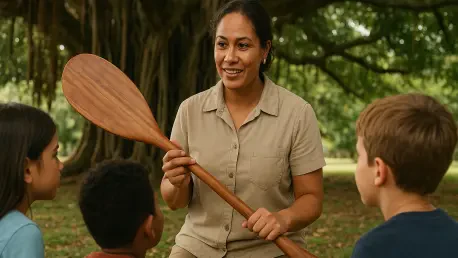
The Kumu & Kaiāulu initiative operates through a series of structured online sessions that delve into the complexities of Hawaiian history and sovereignty. These sessions are specifically designed to empower teachers by providing them with direct access to local practitioners and community leaders who possess deep cultural insights. Instead of relying solely on Western-authored textbooks, educators are encouraged to explore the nuances of “ʻike Hawaiʻi,” or Hawaiian knowledge, which has often been marginalized in mainstream academic settings. This approach ensures that the narratives shared in classrooms are both accurate and reflective of the community’s heritage. By focusing on historical milestones like the recognition of Hawaiian independence, the program helps teachers navigate sensitive topics with confidence and cultural integrity. This systematic integration allows for a more holistic understanding of the past, ensuring students receive a comprehensive education that honors their unique social context.
Participation in this learning community is open to all members of the HSTA and their community partners, facilitating a broad exchange of ideas across different islands and school districts. The program emphasizes “epistemic sovereignty,” asserting the right of Indigenous people to govern their own knowledge systems and educational methodologies. By challenging the traditional top-down transmission of information, the initiative fosters a reciprocal environment where educators are active participants in a cultural reclamation project. This movement is gaining momentum as schools seek to implement culturally responsive teaching strategies that resonate with a diverse student body. Through webinars and workshops, the initiative provides the practical tools necessary for teachers to incorporate these values into their daily lesson plans. This creates a sustainable framework for educational reform that prioritizes local perspectives and community well-being over the metrics that were used in previous years.
Educational Leadership: Sovereignty and Sustainable Development
Leading this transformative effort is a distinguished group of scholars and educators often referred to as “Kanakademics,” whose work bridges the gap between high-level academic research and grassroots community practice. Among them is Dr. Bruce Kaimi Watson, whose interdisciplinary expertise in Geosciences and Political Theory provides a unique lens through which to examine and dismantle settler-supremacy within academic institutions. His contributions are vital in showing how physical landscapes and political structures are inextricably linked to the history of the Hawaiian people. By addressing these systemic issues, Dr. Watson helps educators understand the broader implications of the curriculum they teach. This intellectual foundation is essential for developing a teaching workforce that is capable of critical analysis and dedicated to social justice. His work highlights the importance of re-evaluating the “source” of knowledge, ensuring it remains rooted in the land and the people who inhabit it.
Moving forward, the success of this initiative relied on the continued dedication of educators to integrate these culturally grounded practices into their permanent teaching repertoires. Schools began to see the value in shifting resources toward indigenous-led professional development, recognizing that such investments led to higher student engagement and more profound learning outcomes. Stakeholders emphasized the need for ongoing support and funding to maintain the digital infrastructure required for these online sessions. The focus shifted toward developing localized curricula that could be adapted to the specific needs of different districts while maintaining a unified commitment to Hawaiian sovereignty. Educators were encouraged to document their experiences and share successful strategies, creating a living archive of pedagogical innovation. This process ensured that the source and community remained linked, providing a sustainable model for future reforms that honor the heritage and the rights of the Hawaiian people.