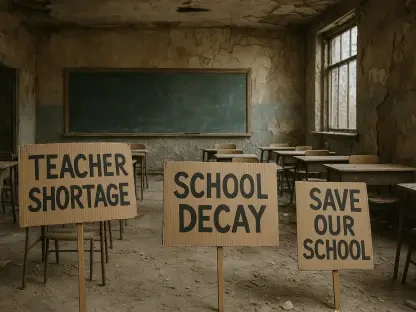

The recent allocation of two million dollars in federal funding to Miraleste Intermediate School marks a critical turning point for the Rancho Palos Verdes educational community following a series of systemic utility failures. This financial injection, secured through congressional efforts, specifically targets the deep-seated structural vulnerabilities that became undeniably apparent during catastrophic weather events that paralyzed the campus. When extreme storms led to a total power collapse, the fragility of the existing infrastructure shifted from a background concern to an urgent priority for the Palos Verdes Peninsula Unified School District. By integrating these federal resources into the broader regional development plan, the district aims to move beyond temporary patches toward a state of long-term operational resilience. This strategy involves a comprehensive overhaul of the subterranean and internal systems that keep the school functional, ensuring that the physical environment supports the educational mission for thousands of students and faculty members alike.
Systemic Overhaul: Addressing Core Utility Failures
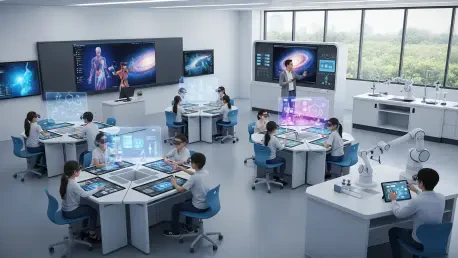
The scope of the remediation project encompasses the complete replacement of antiquated electrical, plumbing, and sewer systems that have exceeded their functional life cycles. Engineers have identified that the low-voltage wiring and utility grids are no longer capable of supporting modern educational technology or maintaining safety standards during peak usage. Beyond the immediate classroom environment, a significant portion of this investment will modernize the district’s Central Kitchen facility located on the Miraleste campus. This hub serves as the primary culinary production center for the entire Palos Verdes Peninsula Unified School District, making its reliability essential for daily meal distribution across all local schools. By upgrading the heavy-duty appliances and the underlying drainage systems within this facility, the district ensures that nutritional services remain uninterrupted even during high-demand periods or adverse weather conditions. This holistic approach prevents localized failures from cascading through the entire school network.
Strategic Investment: Integrating Local and Federal Resources
The coordination of federal grants with local funding sources, such as the three-hundred-million-dollar Measure SOS bond, allowed the district to prioritize foundational repairs alongside visible campus enhancements. While initial bond allocations funded recreational improvements like the two-point-two-million-dollar swimming pool renovation, the federal aid addressed the invisible but vital utility frameworks. To ensure the longevity of these investments, the district established a rigorous oversight protocol for the renovation timeline through 2028. Facilities managers implemented a phased construction schedule that minimized classroom disruption while maximizing the efficiency of specialized labor teams. This proactive stance transformed the campus from a site of recurring emergency repairs into a model of sustainable infrastructure. The successful integration of these diverse financial streams provided a blueprint for other aging educational institutions. District leaders finalized the procurement of high-durability materials to guarantee that the new systems remained operational for many years.