
The educational landscape in the United Arab Emirates has moved well beyond the initial scramble for device accessibility into a sophisticated era where digital engagement serves as the primary metric for academic success. While early attempts at remote learning often suffered from a lack of dynamism, current strategies in 2026 reflect a matured understanding of how students interact with virtual environments during periods of transition between physical and virtual campuses. Educators across the country are now prioritizing “active doing” over “passive watching,” recognizing that the traditional lecture-heavy model does not translate effectively to a computer monitor without losing student interest. This shift is particularly evident in how institutions handle environmental disruptions or geopolitical shifts, ensuring that the transition between spaces is seamless and intellectually stimulating. By focusing on participation rather than just digital attendance, the UAE is setting a global benchmark for how a modern educational system can remain resilient and student-centered. This evolution is not merely about the tools being used but represents a fundamental reimagining of the pedagogical relationship between the student, the teacher, and the digital interface.
Structural Changes: The Rise of the Flipped Classroom
Modern digital pedagogy in the UAE is built on lessons learned during the initial surge of online schooling, emphasizing human-centric structures over the simple adoption of new software. Schools are increasingly moving away from long, recorded lectures that once dominated the schedule, replacing them with high-intensity live sessions that respect a student’s peak concentration window. These sessions are often capped at thirty minutes to ensure that the time spent on a screen is focused and productive rather than draining. By establishing clear routines and consistent communication protocols, educators have created a digital environment that minimizes “wasted screen time,” where students might be physically present but mentally absent. This structural overhaul ensures that every minute of synchronized instruction is maximized for impact, allowing teachers to maintain a high level of energy that resonates through the digital medium. The focus remains on quality over quantity, acknowledging that the digital classroom requires a different pace and rhythm than the traditional physical school day to remain effective.
One of the most effective strategies emerging in the region is the “flipped learning” model, which fundamentally inverts the traditional classroom hierarchy to promote student autonomy. In this setup, students are tasked with reviewing foundational materials, such as instructional videos or reading assignments, independently before the live session begins. This preparation ensures that the precious time spent with the teacher is reserved for high-value activities including debate, collaborative problem-solving, and the clarification of complex questions. When students arrive at the virtual meeting already possessing a baseline understanding of the topic, the teacher can transition from a “sage on the stage” to a facilitator of deep thinking. This transition changes the quality of the virtual classroom, turning it into a laboratory for ideas where learners are encouraged to take positions and defend them using the materials they studied beforehand. The flipped model not only increases retention but also fosters a sense of responsibility in students, preparing them for the self-directed nature of higher education and professional life in a technology-driven world.
Interactive Toolkits: Gamification and Collaborative Platforms
To keep students from drifting into distraction, teachers are increasingly utilizing a specialized suite of real-time engagement tools that offer instant feedback and a sense of accomplishment. Platforms like Kahoot! and Wayground have become staples in the UAE digital classroom, using gamification to turn quizzes and lessons into healthy, structured competitions that motivate students to improve their performance. These tools provide a digital equivalent to the “gold star” system used in physical classrooms, reinforcing positive learning habits through interactive challenges that feel more like play than work. By integrating leaderboard mechanics and timed responses, educators can maintain a high level of excitement even when students are learning from their own homes. This approach addresses the psychological need for recognition and achievement, ensuring that students remain invested in their progress. The data generated by these games also provides teachers with immediate insights into which concepts are being mastered and which require further explanation during the live session.
Collaboration is also being reimagined through the use of digital boards like Padlet and Nearpod, which allow students to share ideas and notes in a shared virtual space simultaneously. These platforms are essential for breaking the isolation that can sometimes accompany remote learning, as they make every student’s contribution visible to their peers in real-time. Whether it is a brainstorm session or a group critique of a historical document, these tools ensure that students are not just clicking through slides but are meaningfully engaged with the curriculum and each other. Nearpod, in particular, allows teachers to embed interactive elements directly into their lessons, such as live polls and student feedback loops, which keeps the flow of the lesson two-way. This level of interactivity ensures that the teacher can gauge the “pulse” of the room, adjusting the instruction on the fly based on the responses received. The result is a more democratic and inclusive learning environment where every voice can be heard, regardless of a student’s physical location or their willingness to speak up in a traditional setting.
Intelligence in the Classroom: AI and Data Integration
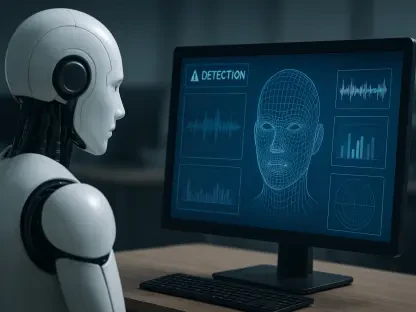
Artificial Intelligence is now serving as an “invisible teaching assistant” in many UAE classrooms, helping to personalize the educational experience to a degree that was previously impossible. Rather than replacing the teacher, AI is utilized to create customized learning pathways that adapt to the individual pace of every student, ensuring that no one is left behind or held back by a one-size-fits-all curriculum. This technology allows the instructional material to be flexible, catering to the specific strengths and weaknesses of every learner by offering extra practice where it is needed and advancing students once they have demonstrated mastery. For example, an AI-driven platform might recognize that a student is struggling with a specific mathematical concept and automatically provide alternative explanations or supplementary exercises. This level of personalization allows for a more efficient use of study time, as students can focus their energy on the areas where they have the most room for growth. This system effectively scales the benefits of one-on-one tutoring across an entire classroom, making high-quality education more accessible and effective for everyone involved.
Furthermore, data analytics provide teachers with early intervention dashboards that are crucial for identifying students who may be quietly struggling or disengaging from the material. If a student’s participation levels or quiz scores begin to drop over a certain period, the system generates an alert for the instructor, allowing for a timely and targeted human intervention. This proactive approach ensures that academic or emotional issues are addressed before they snowball into larger problems, such as a student falling significantly behind their peers. By handling the administrative and analytical heavy lifting, AI enables teachers to focus more on high-quality interactions and tailored instruction that requires a human touch. These dashboards also help in communicating progress to parents, providing them with a clear, data-backed view of their child’s academic journey. The integration of AI does not dehumanize the classroom; instead, it provides the “intelligence” necessary for educators to make better-informed decisions that support the holistic well-being and academic success of every student they serve.
Combatting Screen Fatigue: Offline Tasks and Age-Specific Approaches
Educators are becoming increasingly proactive in addressing “the glaze,” a phenomenon where a child’s eyes stop processing information due to excessive and unstimulating screen time. To combat this physical and mental strain, the modern digital curriculum now includes “step-away” tasks, which are intentional offline activities designed to bridge the gap between the virtual and physical worlds. These might include hands-on science experiments using household items, physical education challenges, or reflective writing sessions that require students to move away from their devices and engage with their immediate environment. These tasks are not viewed as breaks in learning but as essential components of the curriculum that reinforce concepts through kinesthetic and tactile experiences. By intentionally building these “analog” moments into the school day, educators ensure that learning continues without requiring the student to be tethered to a monitor for six hours straight. This balanced approach acknowledges that effective education must involve the whole child, including their physical health and their need for a variety of stimuli.
The approach to digital learning is also becoming more nuanced based on the developmental needs of different age groups, recognizing that a six-year-old and a sixteen-year-old interact with technology in very different ways. Younger learners in grades K-5 require highly structured, visually stimulating environments that offer constant positive reinforcement and shorter task cycles to match their attention spans. For this group, digital education is often centered on storytelling, gamified rewards, and guided interactions that help them build foundational skills in a nurturing environment. In contrast, older students in grades 6-12 benefit from more autonomy, intellectual debate, and the opportunity to connect with subject-matter experts who might be located anywhere in the world. For adolescents, the digital environment offers a unique advantage by allowing them to explore specialized interests and participate in high-level discussions that challenge their critical thinking skills. This age-specific tailoring ensures that the digital platform is an asset rather than a hindrance, providing the right level of support and freedom at every stage of a student’s academic development.
Strengthening the Human Dimension: Actionable Future Insights
Despite the rise of sophisticated software and predictive AI, the human connection remained the most critical driver of student success as educational models matured through 2026. The bond between a teacher and their students is what ultimately fostered a sense of accountability and curiosity, proving that digital platforms are most effective when used to bridge the gap between people rather than simply delivering content. Technology acted as an enabler, but the energy an instructor brought to a live session and their responsiveness to a student’s individual needs were the factors that kept learners invested. Moving forward, the most successful educational strategies in the region will be those that continue to prioritize the mentor-student relationship above all else. Educators who embraced the role of facilitators and emotional supports saw higher rates of participation and better academic outcomes than those who relied solely on automated systems. This highlighted a vital truth: in a world of increasing automation, the value of high-quality human interaction becomes even more significant within the educational framework.
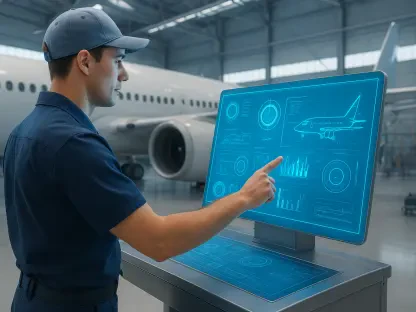
The evolution of digital learning in the UAE concluded that the future of education is not purely virtual or purely physical, but a hybrid, personal environment where geography no longer limits access to excellence. Schools demonstrated that by automating administrative tasks and using data to inform instruction, they could free up teachers to spend more time on mentorship and fostering intellectual growth. Actionable steps for the next phase of development include integrating more immersive technologies like augmented reality to make offline tasks even more engaging and continuing to refine AI boundaries to keep human oversight at the center. Institutions that successfully navigated this transition focused on creating vibrant spaces for human interaction, ensuring that every student felt confident enough to “raise their hand,” whether through a digital icon or a physical gesture. The journey toward a more resilient educational system proved that when innovation is balanced with a deep understanding of human psychology, the results are a more inclusive and effective learning experience for all.