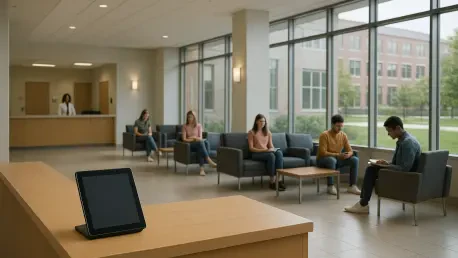

For many students, the ability to access professional counseling within fifteen minutes of arriving at the clinic represents a critical safety net during high-stress periods like recruitment. The Louisiana State University Student Health Center functions as the primary engine for maintaining both the physical health and psychological resilience of the student body. Situated at the bustling corner of West Chimes Street and Infirmary Lane, this facility serves as more than just a medical clinic; it is a strategic partner in the academic journey. By addressing health concerns before they escalate into academic crises, the center ensures that the rigors of university life do not overwhelm a student’s potential. From managing a sudden bout of seasonal illness to providing a space for long-term stress management, the clinical staff works to remove the physiological barriers that often impede graduation rates and classroom engagement. This holistic approach recognizes that a healthy student is a productive one, capable of meeting the demands of modern higher education while navigating the complexities of campus life in 2026.
Clinical Excellence: Diversified Medical and Specialized Resources
Beyond the scope of basic check-ups, the center operates as a comprehensive medical facility staffed with a diverse range of healthcare professionals. Operating during standard business hours and offering specific Saturday availability, the clinic accommodates the complex schedules of modern learners who must balance coursework with external obligations. Students have access to specialized care that typically requires extensive waiting periods in the private sector, including consultations with on-site dermatologists to address skin health and a registered nutritionist. These services are particularly vital for young adults navigating the transition to independent living, where managing chronic conditions or dietary requirements can become a significant source of anxiety. By housing these experts within a single campus building, the university reduces the logistical burden of seeking external healthcare. This convenience allows students to return to their labs and lecture halls more quickly, effectively minimizing time lost to illness while fostering a proactive culture.
Integration of the Lighthouse Program within the medical facility further demonstrates the university’s commitment to creating a safe and responsive environment for its community. This dedicated initiative provides specialized support for survivors of interpersonal violence, offering a secure space where students can find both emotional guidance and medical advocacy. The program’s presence underscores the understanding that personal safety and trauma recovery are inextricably linked to academic performance and social stability. By providing these sensitive services under the broader umbrella of student health, the center ensures that support is not only professional but also deeply compassionate and confidential. This layered approach to wellness acknowledges that health is not merely the absence of physical ailment but involves the preservation of dignity and security. Consequently, the facility acts as a sanctuary where individuals can regain their footing after experiencing profound challenges, ensuring they have the resources needed to remain enrolled.
Comprehensive Wellness: Modernizing Access and Mental Health Support
Under the strategic leadership of the Mental Health Service department, the center has redefined how psychological support is delivered to a large university population. One of the most significant advantages of this system is the financial structure, which eliminates the typical out-of-pocket costs associated with therapy. Because psychological counseling is funded through the student health fee included in the standard tuition package, individuals can access care without worrying about insurance coverage or personal financial constraints. This model democratizes mental health care, ensuring that every student, regardless of their socioeconomic background, has the opportunity to consult with licensed therapists. Furthermore, the introduction of automated pharmacy boxes has simplified the process of obtaining essential medications on campus. These kiosks allow students to receive commonly prescribed treatments, such as antibiotics, without the need for off-campus travel, effectively bridging the gap between diagnosis and recovery.
In conclusion, the LSU Student Health Center successfully established a multifaceted framework that viewed wellness as an essential component of academic achievement. By integrating specialized medical care with accessible mental health services and cutting-edge technology, the facility removed many of the hurdles that previously compromised student retention. For those looking to maximize these resources, engaging with the center early in the semester rather than waiting for an emergency proved to be the most effective strategy. Students who proactively utilized the nutritionist and wellness coaches found themselves better prepared for the physical and mental demands of a rigorous curriculum. Moving forward, the continued expansion of automated services and remote health options became the standard for campus care. Universities that prioritized this type of comprehensive, low-cost support created an environment where students were not forced to choose between their health and their studies, providing a roadmap for long-term success.