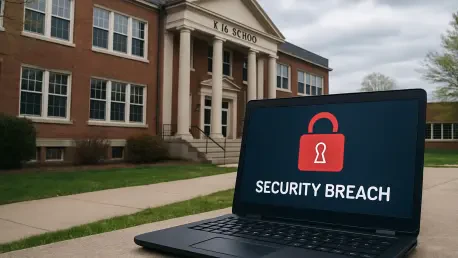

The sudden realization that sensitive biographical data belonging to millions of students has been compromised creates a ripple effect that extends far beyond the immediate digital perimeter of any single school district. When a centralized Student Information System like Infinite Campus experiences a security failure, it uncovers the inherent vulnerability of modern educational infrastructure that relies heavily on interconnected cloud databases. This incident serves as a stark reminder that schools are no longer just places of learning but are essentially high-value data repositories containing social security numbers, medical records, and behavioral assessments. The breach disrupts the fundamental trust between parents and educational institutions, forcing administrators to grapple with the reality that their current defensive postures may be insufficient against sophisticated persistent threats. As districts scramble to notify affected families, the focus shifts toward understanding how such a massive aggregation of data became a single point of failure in an increasingly hostile cyber landscape.
The Vulnerability: Assessing Centralized Data Risks
Centralized platforms offer administrative efficiency but create massive targets for malicious actors seeking to maximize their return on investment from a single intrusion event. By housing demographics, attendance records, and grades in a unified environment, these systems streamline daily operations while simultaneously increasing the blast radius of any successful exploit or credential theft. As of 2026, cybersecurity professionals frequently point out that the sheer volume of entry points, ranging from teacher portals to mobile applications for parents, provides multiple vectors for initial access. In the wake of this breach, the conversation has shifted toward the necessity of zero-trust architecture within the K-12 sector to mitigate these risks. Implementation of strict identity management and micro-segmentation becomes a necessity rather than a luxury when dealing with such sensitive information. The reliance on legacy protocols or weak multi-factor authentication methods has proven to be a critical flaw that requires immediate remediation in the stack.
The Long-Term Impact: Protecting Student Identities
Moreover, the long-term implications for students whose data has been exposed are profound and potentially life-altering as identity theft can remain dormant for years. Unlike adults who monitor credit reports, children often do not realize their identities have been hijacked until they apply for their first financial accounts or government benefits much later. This delayed discovery window provides criminals with a significant advantage, allowing them to exploit clean social security numbers for fraudulent activities without immediate detection or consequence. The breach necessitates a shift in how educational technology vendors are vetted, moving from simple compliance checklists to rigorous, ongoing security audits and data encryption standards. Schools must demand higher levels of transparency regarding data residency and the specific security controls used to protect student records from unauthorized access. This evolution in procurement signals a broader trend where data privacy and security are prioritized alongside educational functionality to ensure safety.
The Strategic Shift: Building Institutional Resilience
Effective management of this crisis required administrators to move past simple notification and toward deep structural changes in their IT governance models. Educational leaders successfully integrated cyber-risk assessments into their broader risk management portfolios, ensuring that data protection received the same level of attention as physical campus security. They adopted decentralized data storage options where possible and strictly limited the duration for which non-essential student information was retained on active servers. These actions demonstrated a commitment to protecting the digital identities of the next generation through the application of rigorous encryption and anonymization techniques. By establishing clear protocols for vendor accountability and conducting regular penetration testing, districts finally moved the needle on institutional resilience. The lessons learned from this significant breach provided a blueprint for other organizations to follow, emphasizing that proactive defense was always more cost-effective than post-incident recovery.