
When faculty at a traditional all-boys institution in Daejeon replaced paper worksheets with digital tablets, they discovered that history students could compose original music to interpret ancient events. This shift occurred at Daeshin High School, an institution founded in 1973 that long prided itself on rigorous academic standards and conventional instruction. Rather than viewing technology as a distracting peripheral, the administration embraced a 1:1 iPad model for over one thousand students, fundamentally altering the school’s pedagogical DNA. This transition represents a bridge between five decades of educational heritage and the fluid demands of a 2026 digital landscape. The integration was not merely a hardware upgrade but a philosophical pivot that transformed classrooms into creative studios. By empowering students to synthesize information through multimedia, the school moved beyond rote memorization toward deep, conceptual understanding, demonstrating that even the most traditional settings can adapt effectively to modern innovations.
Adapting to a Digital Classroom
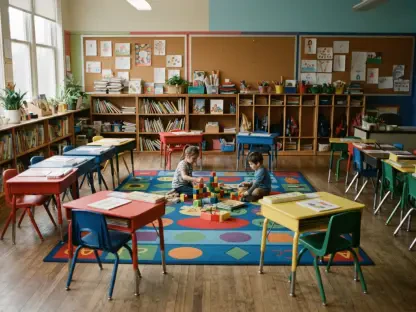
The transition initially met with skepticism from veteran educators who were accustomed to decades of lecture-based instruction and physical paper textbooks. Many faculty members, who had built successful careers on traditional methods, felt a natural resistance to such a radical overhaul of their classroom environments. However, the school leadership prioritized collective growth and professional development over simple administrative mandates. By providing every teacher with the same digital tools as the students, the administration fostered a collaborative atmosphere where educators could explore the nuances of digital instruction at a comfortable pace. This gradual immersion allowed even the most hesitant staff to observe the practical benefits of the new system in real time. Consequently, the power dynamics in the classroom shifted toward a more egalitarian model where teachers and students explored technical possibilities together, proving that institutional change is most effective when it focuses on human adaptability.
Faculty Evolution: Embracing Digital Change
To sustain this cultural shift, the school established a dedicated research group consisting of twenty teachers who focus exclusively on sharing innovative digital strategies. This internal support system ensures that technology remains a purposeful tool rather than a novelty, with best practices disseminated across all departments. By creating a formalized space for experimentation, the school has managed to maintain the momentum of its transformation and avoid the stagnation that often follows large-scale hardware deployments. The faculty now views technology as a vital partner in the educational process, enabling them to customize learning experiences for diverse student needs while maintaining high standards. This proactive approach has turned the classroom into a dynamic laboratory where pedagogical theories are constantly tested and refined. The resulting environment encourages constant professional evolution, ensuring that teachers remain as engaged and curious as the students they instruct, which is a hallmark of a forward-thinking institution.
Subject Innovation: New Methods in History
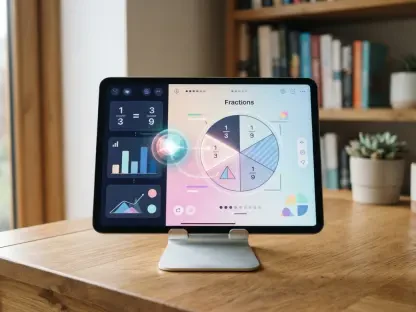
Subject instruction has fundamentally evolved as students move from passive consumption to active creation across various disciplines. In history classes, learners no longer rely solely on static texts; they use multimedia applications to interpret historical events through original music and professional-quality design. For instance, composing scores in GarageBand or designing newspapers in Pages requires students to process complex information and express it through diverse media. This synthesis of facts into creative projects leads to a more profound understanding of historical context and empathy. Similarly, the use of interactive spreadsheets allows students to model ancient governance and economic systems, providing a hands-on experience that paper worksheets never could. This versatility allows for a more interactive approach to subjects often perceived as rigid, making the learning process a tactile and intellectual exploration. By engaging with the curriculum in this way, students develop a more nuanced perspective on the world.
Building a Competitive Future
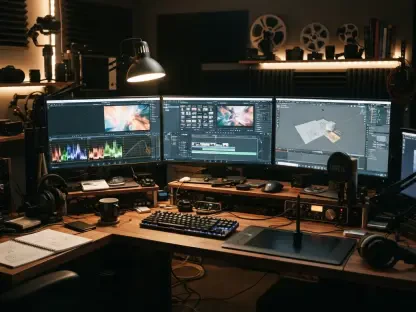
The vocational and creative arts programs have also benefited from the integration of precise digital tools that streamline the design and production process. In woodshop and technical classes, students utilize the Apple Pencil and specialized 3D modeling software to create detailed digital blueprints before starting physical construction. This method allows for a high degree of accuracy and experimentation in a virtual space, reducing material waste and improving the quality of the final product. In the realm of media arts, the entire filmmaking pipeline—from storyboarding and filming to scoring and final editing—is now managed on a single, portable device. This integration allows students to focus on narrative structure and technical execution rather than the logistics of managing fragmented equipment. These practical skills are directly transferable to modern industries, ensuring that graduates are well-equipped for the demands of a technology-driven workforce. The seamless bridge between digital design and physical output has redefined what is possible in a high school workshop.
Strategic Advantage: Portfolios and University Admissions
In the competitive environment of university admissions, digital portfolios have become a significant asset for students seeking to distinguish themselves. By archiving their research, presentations, and collaborative projects in a cumulative digital format, learners provide admissions officers with a multidimensional view of their academic journey. Unlike paper-based work that is often lost or discarded, digital artifacts are preserved in cloud-based systems, documenting a student’s growth and intellectual development over several years. Prestigious institutions have increasingly moved toward holistic evaluations, and a comprehensive digital portfolio provides concrete evidence of a student’s creativity and problem-solving abilities. This method of showcasing long-term progress gives graduates a distinct advantage in the selection process, as it demonstrates a level of digital literacy and organizational skill that is highly valued in higher education. This focus on curation encourages students to see their work as part of a professional identity rather than a series of isolated tasks.
Future Outcomes: Key Takeaways for Institutions
The administration at Daeshin High School successfully navigated the complexities of digital transformation by treating technology as a catalyst for systemic change. They prioritized faculty development and created internal support structures that ensured the purposeful use of new tools across all subjects. This strategic approach empowered students to take greater agency in their learning, transforming classrooms into hubs of discussion and collaboration. Educational leaders integrated cloud-based archiving to provide students with a competitive edge in university admissions, demonstrating a clear link between digital innovation and long-term academic success. The school established a culture of experimentation where teachers and students learned alongside one another, which proved essential for maintaining engagement. By viewing technology as a means to enhance human creativity and critical thinking, the institution secured a sustainable model for modern education that balanced traditional values with the requirements of a rapidly evolving global landscape.