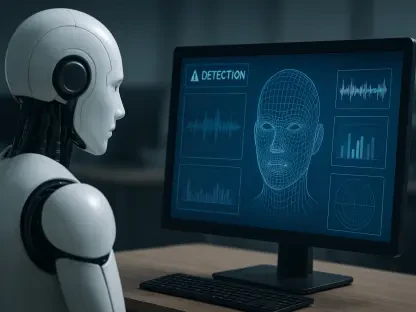

Higher education institutions in China face the challenge of determining how psychological hope facilitates a student’s willingness to adopt and utilize generative AI tools effectively. This investigation comes at a time when platforms like ChatGPT and DeepSeek are no longer novelties but embedded fixtures in the academic landscape. As universities transition from debating the existence of AI to optimizing its use, the focus has shifted toward the internal machinery of the student mind. Research now suggests that technological proficiency alone does not guarantee academic success; instead, it is the synergy between a student’s emotional resilience and their ability to navigate complex digital interfaces that defines the modern educational experience. The rapid integration of these technologies has created a new frontier where psychological preparedness serves as the gatekeeper for digital efficacy, demanding a deeper look at how internal drive translates into observable academic vigor and cognitive absorption.
Theoretical Foundations of the Engagement Model
Understanding Hope Theory and Agency
In the scientific community, hope is far more than a fleeting emotional state or a simple desire for a positive outcome; it is classified as a robust cognitive motivational state that dictates how individuals interact with their environment. According to established psychological frameworks, hope is built upon two distinct yet interconnected pillars: agency thinking and pathways thinking. Agency thinking, often described as “willpower,” represents the internal motivation and determination a person possesses to pursue their specific goals. It is the fuel that drives a student to persist in the face of academic rigor. Without this core agency, even the most advanced technological resources remain inert, as the student lacks the fundamental belief in their own capacity to effect change through their actions. In the context of 2026, where the volume of information is overwhelming, this internal agency is the primary differentiator between those who thrive and those who simply drift through their degree programs.
Pathways thinking, on the other hand, provides the “way-power” or the perceived ability to identify and navigate various routes to achieve those desired goals. It is the cognitive component that allows a student to plan their academic journey and adapt when obstacles appear. In a modern educational setting, a hopeful student does not view a difficult assignment as a dead end; instead, they see it as a puzzle requiring a new strategic approach. This mindset naturally predisposes students to view generative AI as a sophisticated new pathway. Rather than seeing AI as a threat to their intelligence or a shortcut for the lazy, high-hope students categorize these tools as innovative mechanisms that expand their reach. This internal drive ensures that technology is utilized as a means to an end, specifically for deep learning, rather than as a distraction or a substitute for genuine intellectual effort, thereby maintaining a healthy relationship with digital innovation.
The Technology Acceptance Model in Education
The Technology Acceptance Model, or TAM, serves as the definitive framework for explaining why students choose to integrate generative AI into their daily academic workflows. This model emphasizes two critical psychological perceptions: Perceived Usefulness and Perceived Ease of Use. If a student believes that a tool like a large language model will genuinely enhance their ability to synthesize information or structure their research, they are significantly more likely to adopt it. However, this acceptance is not purely mechanical; it is deeply rooted in the student’s existing psychological state. In the current academic climate, Generative AI Acceptance acts as a vital bridge between a student’s general mindset and their actual classroom behavior. It serves as the first major relay station where psychological hope is converted into a tangible intent to engage with digital tools, transforming abstract motivation into concrete technological application.
Overcoming technological anxiety is another significant component of this acceptance phase, as many students still feel a sense of trepidation when faced with rapidly evolving software. Students who exhibit high levels of psychological hope are generally more resilient and less likely to be intimidated by the learning curve associated with new AI interfaces. Their inherent belief in their own agency allows them to view the occasional hallucinations or complexities of AI not as failures of the system, but as challenges to be managed. This resilience is what allows them to move past the initial frustration of learning a new tool and reach a state where the AI becomes an invisible, seamless part of their cognitive process. Consequently, the psychological state of the user directly impacts how they perceive the utility and risk of generative AI, determining whether the tool will be a catalyst for growth or a source of paralyzing stress.
Self-Directed Learning as a Behavioral Regulator
Self-Directed Learning, commonly referred to as SDL, is the sophisticated process through which individuals take the primary initiative to diagnose their own learning needs, formulate academic goals, and identify resources for success. It is the definitive hallmark of an autonomous learner who does not rely solely on a teacher’s specific instructions to make progress. Within the proposed framework, SDL serves as the behavioral manifestation of a student’s internal motivation and their interaction with technological tools. It represents the transition from a passive state of receiving information to an active state of managing one’s own intellectual development. In an era where generative AI can provide instant answers, the ability to direct one’s own learning becomes more important than ever, as it ensures the student remains the architect of their own education rather than a passive observer.
Generative AI functions as a powerful cognitive scaffold that supports this autonomy by allowing students to clarify complex concepts and plan their study schedules in real-time. When a student uses AI to direct their own education, they are engaging in a form of self-regulation that deepens their understanding of the material. This behavior ensures that AI is used constructively—to explain a difficult mathematical proof or to suggest a structure for a thesis—rather than as a simple shortcut for academic dishonesty. The transition from merely accepting a tool to being truly engaged in university life requires this behavioral shift toward self-regulation. SDL is essentially the final link in the chain that leads to a state of deep absorption and academic vigor, as it provides the structure and discipline necessary to turn technological potential into actual academic achievement and long-term skill development.
Research Hypotheses and Logic
Direct Relationships and Simple Mediations
Researchers have proposed a series of complex hypotheses to map the intricate connections between psychological hope, AI acceptance, and overall student engagement. The first hypothesis suggests a strong and direct positive association where students with high levels of hope are naturally more engaged in their academic pursuits. Their internal drive and “willpower” keep them focused on their studies regardless of the specific tools available to them at any given time. This direct path highlights the importance of the human element in education; even in a high-tech environment, the foundational desire to succeed remains a primary driver of how much effort a student puts into their work. This engagement is visible through their vigor in class, their emotional dedication to their major, and their cognitive absorption when tackling difficult projects or research papers.
Another critical hypothesis explores the link between hope and the specific acceptance of generative AI tools. It posits that hopeful students, who are naturally oriented toward finding new “pathways” to success, are far more likely to view AI as a viable and helpful addition to their academic arsenal. This leads to a simple mediation model where AI acceptance serves as the middle ground between a student’s internal state and their eventual engagement. Similarly, hope is expected to drive self-directed learning behaviors, which then directly increase the level of student engagement. These pathways demonstrate that while hope is a powerful force on its own, its impact is often amplified or directed through specific behaviors and attitudes toward technology. By understanding these simple mediations, educators can begin to see how psychological resources and digital tools work in tandem to produce the best possible academic outcomes for the modern student.
The Power of Serial Mediation
The most sophisticated hypothesis in current educational research is the “serial mediation” effect, which suggests that all variables in the learning process work together in a strictly sequential chain. In this advanced scenario, hope acts as the initial spark that drives the acceptance of generative AI, which in turn empowers the student to engage in higher levels of self-directed learning, finally resulting in peak student engagement. This chain represents a logical and chronological progression from a student’s mindset to their choice of tools, then to their actual study behaviors, and finally to their overall state of academic being. This serial model suggests that each element is a necessary and vital link; if any part of the chain is missing or weakened, the final level of engagement will inevitably suffer, regardless of how much hope or technology is present.
Testing this serial model allows researchers to identify exactly where a student might be struggling in their academic journey. For instance, a student may possess a great deal of hope but may reject the technology due to a lack of literacy, which breaks the chain before it can influence their self-directed learning habits. Conversely, another student might accept the technology but fail to use it for self-directed study, resulting in a superficial level of engagement that does not lead to deep learning. By analyzing the data through this serial lens, university administrators can gain a more nuanced and holistic understanding of the student experience. This is particularly valuable in 2026, as institutions seek to move beyond simple metrics like GPA and toward a deeper understanding of the psychological and behavioral drivers that lead to long-term professional success and personal fulfillment.
Methodology and Data Insights
Participants and Data Quality Control
To validate these complex theories, researchers conducted an extensive quantitative study involving nearly 500 university students across dozens of distinct regions in China. The study was designed to capture a diverse cross-section of the student population, including a balanced mix of genders, grade levels, and academic disciplines. This demographic diversity is essential for ensuring that the findings are applicable to the broad reality of the Chinese higher education system rather than just a narrow, elite subset. By including students from both urban and rural backgrounds, as well as those from various socio-economic tiers, the research provides a comprehensive look at how generative AI is being integrated into the lives of the next generation of professionals. This large-scale approach allows for the identification of trends that transcend individual campus cultures.
Rigorous screening procedures were implemented throughout the data collection process to maintain the highest possible standards of integrity. For example, “speeders”—those participants who completed the extensive survey in an impossibly short amount of time—were automatically excluded from the final dataset. Additionally, researchers looked for inattentive response patterns, such as choosing the same answer for every question, to ensure that the psychological insights were based on genuine reflection. This level of quality control is necessary when dealing with complex constructs like hope and engagement, where subtle differences in sentiment can significantly alter the statistical results. Most participants were drawn from the humanities and social sciences, offering a unique perspective on how AI impacts fields that were traditionally thought to be less affected by high-tech automation, thus broadening the scope of the investigation.
Measuring the Variables
The study utilized a series of well-established and scientifically validated scales to measure each of the four main constructs in the model. Hope was assessed using a specialized scale that specifically targeted both agency thinking and pathways thinking, allowing the researchers to distinguish between a student’s motivation and their strategic planning abilities. Generative AI Acceptance was measured through a refined model that went beyond simple usage statistics; it accounted for the perceived usefulness of the tools, the level of anxiety the student felt when using them, and their genuine intention to continue integrating AI into their future academic work. This multi-faceted approach ensures that “acceptance” is understood as a deep psychological commitment rather than a temporary or forced compliance with new campus trends.
Statistical techniques such as Structural Equation Modeling, or SEM, were employed to test the various pathways between these variables simultaneously. This allowed the researchers to control for external demographic factors, such as the student’s gender or their specific major, to ensure that the results were truly indicative of the psychological and technological relationships being studied. The goal was to isolate the effect of hope and AI acceptance from other background variables that might otherwise skew the data. By using these advanced analytical tools, the researchers were able to confirm that the connections in the “Psychological–Technological–Behavioral” framework were statistically significant and robust. This granular look at the data provides the necessary evidence for universities to make informed decisions about how they support student success in an increasingly automated and digitally-driven academic environment.
Detailed Analysis of the Findings
The Strength of the Hope-Engagement Link
The final results of the data analysis confirmed that psychological hope is an overwhelmingly powerful predictor of learning engagement among university students. Those who scored high on the hope scale were significantly more likely to report deep levels of immersion and vigor in their academic tasks. This finding confirms the long-standing belief that “the will and the ways” are the most fundamental requirements for academic success, regardless of the physical or digital environment in which the learning takes place. Hope provides the necessary emotional and cognitive energy required to sustain effort over the many years of a university degree. It is the internal engine that keeps a student moving forward when the subject matter becomes difficult or when external pressures, such as the job market or personal challenges, begin to mount.
The correlation between hope and engagement was found to be among the strongest in the entire study, suggesting that a student’s psychological health is the primary indicator of their potential for success. Even when the researchers accounted for every other factor, including the use of generative AI, the direct path from hope to engagement remained highly significant. This suggests that while technology is a valuable tool, it cannot replace the foundational necessity of a hopeful mindset. A student who possesses hope will naturally find ways to stay engaged and absorbed in their work even if they are not utilizing the latest software. However, the study also clearly showed that when these hopeful students are given access to AI, their existing drive is amplified, leading to even higher levels of dedication and academic achievement than would be possible through hope alone.
How AI Adoption Empowers the Student
The findings regarding Generative AI Acceptance were equally revealing, showing that hopeful students were much more likely to embrace AI as a helpful ally in their studies. Because these students are already oriented toward finding new “pathways” to reach their goals, they view AI as a natural extension of their cognitive abilities. This positive framing allows them to bypass the common fears associated with automation and instead focus on the practical benefits of the technology. When students move past their initial anxiety, they begin to use LLMs to bridge gaps in their knowledge, which prevents them from becoming discouraged by complex or poorly explained material. This “support” role of AI is what ultimately leads to a more dedicated and absorbed student, as it removes the friction that often leads to academic burnout.
The mediation effect of AI acceptance showed that part of the reason hopeful students are so engaged is precisely because of their willingness to adopt modern tools. They do not shy away from innovation; they embrace it as a sophisticated new way to reach their long-term academic and professional objectives. This highlights a critical lesson for educators: the adoption of technology is not just about having the latest hardware or software, but about the mindset of the person using it. When a student feels empowered and hopeful, AI becomes a tool for creative exploration and deeper analysis. This synergy between a positive internal state and a powerful external tool creates a virtuous cycle of learning where each success reinforces the student’s belief in their own agency and the utility of the technology they have chosen to employ.
The Critical Role of Behavioral Regulation
Self-directed learning emerged as a vital mediator that turns the potential of hope and AI into the reality of daily engagement. The data indicated that hope translates into actual self-regulatory behaviors; a student who believes they can succeed will naturally take the necessary steps to manage their own time and resources. When generative AI is added to this equation, it provides the “scaffolding” necessary for even better self-regulation. Students who have accepted AI use it for complex tasks like planning their research phases, monitoring their own understanding of difficult topics, and evaluating the quality of their work. This autonomous behavior is what creates a deep emotional and cognitive connection to the curriculum, as the student is no longer just following a syllabus but is actively constructing their own knowledge base.
The study clearly demonstrated that SDL is the “work” phase of the model where the abstract benefits of hope and technology are realized. Without the ability to direct their own studies, a student may have the tools and the motivation but will lack the structure necessary to maintain long-term engagement. It is through the process of setting goals and evaluating progress—often with the help of AI as a tutor or research assistant—that students develop the vigor and dedication required for high-level academic success. This behavioral shift is the key to ensuring that AI is used responsibly and effectively. It proves that the most successful students in 2026 are those who use technology to enhance their own autonomy rather than those who allow the technology to dictate the terms of their education.
Overarching Trends and Model Fit
Explaining Student Engagement
One of the most impressive and statistically significant results of the study was the model’s ability to explain roughly 68% of the variance in student learning engagement. In the field of social science research, an R-squared value of this magnitude is exceptionally high and rare. It suggests that the combination of psychological hope, AI acceptance, and self-directed learning captures the very essence of why students choose to engage with their academic work in the modern era. This validates the “Psychological–Technological–Behavioral” framework as a robust and reliable tool for university leaders and educators. It shows that these four variables are not just isolated factors but are part of a cohesive and predictable system that defines the student experience in a world increasingly influenced by artificial intelligence.
The strength of this model remained remarkably consistent even when tested across different groups of students from various academic backgrounds and regions. This consistency suggests that the relationship between hope, technology, and autonomy is a fundamental aspect of modern learning that transcends local campus cultures. It provides a universal language that educators can use to discuss student success, moving away from anecdotal evidence and toward a data-driven understanding of the student mind. By identifying these key drivers, universities can move toward more targeted interventions that address the root causes of student disengagement. The model proves that when a student has a sense of hope, a tool they trust, and the autonomy to use it, the resulting engagement is both deep and sustainable.
Shifting Focus to the Human Element
A major trend identified through this research is the definitive shift from a purely “technology-focused” view of education to a “human-focused” approach. While generative AI is the new and exciting variable in the equation, the data clearly shows that the human trait of hope serves as the actual engine for the entire process. The technology is only as effective as the psychological state of the person operating it. This finding contradicts the common fear that AI will inevitably make students passive or intellectually lazy. Instead, the data suggests that for hopeful and self-directed students, AI acts as a “cognitive scaffold” that facilitates more active and intense learning. It enhances human potential rather than serving as a substitute for human effort or critical thinking.
The convergence of psychology, technology, and behavior in this study reflects a much broader trend in educational research as of 2026. Scholars and practitioners are moving toward a more holistic understanding of how digital environments interact with the human mind. This interdisciplinary approach is necessary to keep pace with the rapid speed of technological change, ensuring that pedagogical strategies remain grounded in human needs. By focusing on the “Psychological–Technological–Behavioral” link, educators can ensure that the introduction of new tools always serves the ultimate goal of fostering more resilient and capable learners. This human-centric perspective is essential for maintaining the value of a university degree in an era where information is cheap but deep engagement and wisdom remain rare and highly sought after.
Practical Implications for Universities
The Need for Hope-Building Programs
The research strongly suggests that universities must invest in more than just the latest IT infrastructure and software licenses; they must also prioritize “hope-building” programs as a core part of their student support services. If a student lacks a sense of hope and agency, providing them with the most advanced generative AI tools will not lead to higher engagement or better academic outcomes. These students need the internal drive and the ability to see pathways to success before any digital tool can become useful. Programs that focus on academic mentoring, goal-setting workshops, and emotional resilience training should be considered essential components of the modern university curriculum. These psychological resources provide the “fuel” for the engagement that schools are so desperate to foster in their student bodies.
Faculty members should also be specifically trained to recognize the signs of low hope in their students and provided with the tools to intervene effectively. When a student feels they have no viable pathway to reach their academic or career goals, they are likely to check out emotionally and cognitively. Rebuilding that sense of “way-power” is a necessary prerequisite for any technological or pedagogical success. This might involve breaking large projects into smaller, more manageable tasks to build a student’s sense of agency, or providing more diverse examples of success to help them visualize different pathways. By addressing the psychological state of the learner first, institutions can create a more solid foundation upon which technological literacy and academic achievement can be built, ensuring that no student is left behind in the digital transition.
Promoting AI Literacy and Acceptance
Educators must move beyond the simple and often counterproductive binary of either banning generative AI or allowing it to be used without guidance. Instead, the focus should shift toward promoting comprehensive AI literacy and clearly demonstrating the “usefulness” of these tools in a professional context. By framing AI as a sophisticated “pathway” to help students reach their own academic goals, teachers can help them overcome initial technological anxiety. When students are shown how to use AI for complex problem-solving, personalized tutoring, or deep research synthesis, their perception of the technology changes from a threat to a helpful ally. This increased acceptance is the first necessary step toward integrating these tools into a productive and disciplined study routine.
Banning these tools in a university setting can actually be detrimental to a student’s long-term success, as it prevents them from learning how to use AI responsibly and autonomously. A far better approach is to guide students in using AI to enhance their own self-directed learning, teaching them how to verify information and use the technology as a partner in thought rather than a replacement for it. This preparation is vital for a 2026 professional world where the ability to collaborate with AI is a baseline expectation in almost every field. By normalizing the use of AI through the lens of acceptance and utility, universities can ensure that students are not just using technology, but are using it in a way that deepens their engagement with their subject matter and their future careers.
Designing Curricula for Autonomy
Since self-directed learning has been identified as a critical mediator for student engagement, curriculum designers should focus on creating assignments that require significant student initiative and self-regulation. Generative AI should be introduced not as a way to finish work faster, but as a tool for “monitoring” and “evaluating” one’s own progress. For example, students could be asked to use AI to generate counter-arguments to their own thesis statements, forcing them to engage in deeper critical thinking. This approach ensures that the student remains in the “driver’s seat” of their own education, using the technology as a scaffold for their own cognitive effort rather than a way to bypass it. Ownership of the educational journey is essential for the long-term vigor and dedication that define successful students.
Assignments should be specifically designed so that they cannot be completed by an AI alone but can be significantly enhanced through the thoughtful and critical use of AI tools. This forces students to remain active participants in the learning process and prevents the passivity that critics of AI often fear. When students are given the autonomy to use AI to explore topics of personal interest or to customize their learning experience, their emotional and cognitive engagement naturally rises. They feel more in control of their education and less like they are simply fulfilling a list of requirements. This sense of control and autonomy is the final piece of the puzzle, turning the combination of hope and technology into a sustainable and deeply meaningful university experience that prepares students for the complexities of the modern world.
Harmonizing Psychology and Technology in Modern Education
The integration of generative AI into the higher education system was once viewed as a potential threat to student engagement, yet the evidence gathered through 2026 showed that these tools are actually powerful catalysts for success when supported by the right psychological framework. Hope served as the essential foundation, providing students with both the willpower to persist and the vision to see new technological pathways as opportunities rather than obstacles. When this internal hope was successfully combined with a genuine acceptance of AI, students were empowered to take control of their own education through self-directed learning. This logical progression from a positive mindset to an effective tool and finally to autonomous behavior was the key to achieving deep cognitive absorption and emotional dedication to academic life.
The quantitative data revealed that the “Psychological–Technological–Behavioral” model provided a highly accurate roadmap for navigating the complexities of the digital age, explaining a vast majority of the differences in how students engaged with their studies. This framework proved that the future of higher education was never about the machines themselves, but about how those machines could be used to foster more hopeful, resilient, and independent humans. By shifting the focus away from the technical specifications of AI and toward the psychological needs of the student, universities were able to preserve the human element of learning in an increasingly automated world. The most successful institutions were those that recognized hope as the most powerful engine for learning and sought to nurture it at every level of the academic experience.
Looking back at the transition into this AI-integrated era, it became clear that the challenges faced by students were as much psychological as they were technical. Those who were supported through hope-building initiatives and AI literacy programs were the ones who truly thrived, using generative tools to expand the boundaries of their own intellectual capabilities. Future strategies will likely continue to build on this foundation, exploring how long-term trust in AI systems and evolving ethical standards further influence the student experience. For now, the integration of hope and technology stands as a definitive success story in modern pedagogy, providing a clear path forward for educators who wish to see their students not just survive, but truly excel in a world of constant digital change. Actionable steps for the coming years involve the standard inclusion of psychological resilience as a core metric for student success.