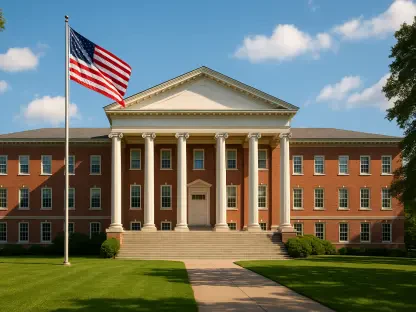

Imperial Valley College’s 2025 program launch marks the final step in a decade-long effort to unify the San Diego and Imperial Counties Community Colleges Association under a single mission. This collaborative framework, involving six distinct community college districts, has transformed the regional landscape of higher education by prioritizing accessibility and economic integration. For over a decade, these institutions have worked to dismantle the financial barriers that previously prevented thousands of capable students from pursuing vocational or academic degrees. By serving more than 76,000 students through the “Promise” initiative, the region has effectively established a talent pipeline that directly feeds local industries. The transition from a series of disconnected pilot projects to a unified regional strategy has allowed for shared resources, standardized metrics, and a more robust advocacy position within the state legislature. This achievement represents a fundamental shift in how public education serves as a catalyst for socio-economic mobility.
Economic Infrastructure: Transforming the Local Workforce
Fiscal Contributions: Assessing the Collective Return on Investment
The economic footprint of the San Diego and Imperial Counties Community Colleges Association is staggering, with a total annual impact reaching $10 billion. This figure reflects the collective contribution of the colleges to the regional gross domestic product, supporting approximately one out of every 23 local jobs. Beyond the general operations of the campuses, the specific influence of the Promise programs has generated over $1 billion in added value. This wealth is not merely theoretical; it is grounded in the increased earning potential of graduates who now fill high-demand roles in healthcare, technology, and biotechnology. By reducing the reliance on public assistance and increasing the tax contributions of a more highly skilled workforce, the program has realized approximately $18.2 million in societal savings. These fiscal benefits highlight how tuition-free college models function as a strategic investment in regional stability rather than a simple expense.
Business Expansion: Translating Graduation Rates into Market Growth
Delving deeper into the financial mechanics, the $1 billion in program-related value consists of several critical components that stimulate the local economy. Approximately $640 million of this total is attributed to the increased lifetime earnings of alumni who participated in the Promise initiatives. These individuals possess greater purchasing power, which directly translates into $352 million in additional business growth across the two counties. This creates a virtuous cycle where local businesses benefit from a more competent workforce and a more affluent consumer base. The return on investment is particularly evident when comparing the modest cost of tuition waivers against the massive influx of capital into the private sector. Furthermore, the stabilization of the middle class through educational attainment ensures that the regional economy remains resilient during periods of national market volatility. This data underscores the program’s role in long-term fiscal health.
Strategic Implementation: Enhancing Accountability and Student Support
Policy Foundations: The Role of Performance-Based Legislative Aid
While the financial components of the Promise programs are vital, the legislative evolution provided the necessary structure for long-term sustainability. The passage of Assembly Bill 19 in 2017 was a pivotal moment, as it allowed colleges to expand tuition-free access to a broader demographic of first-time students. This modern framework differs significantly from the older, purely need-based California College Promise Grant by emphasizing full-time enrollment and academic accountability. Students are typically required to maintain a 2.0 GPA and complete at least 12 units per semester while mapping out clear educational goals with academic counselors. This shift toward a performance-based model ensures that the public funds allocated for tuition are utilized by students who are actively moving toward degree completion or transfer. By codifying these requirements, the state and regional districts have created a system that rewards persistence and clarifies the path to graduation.
Sustainable Outcomes: Integrating Comprehensive Student Support Services
The success of these initiatives was ultimately defined by the implementation of comprehensive wrap-around services that addressed the needs of the whole student. At Palomar College, for example, the persistence rate reached 84 percent, significantly outperforming the state average of 66 percent for community colleges. This was achieved through a combination of peer mentorship, specialized counseling, and dedicated support for historically underserved groups, including veterans and former foster youth. Leaders in the region recognized that financial aid alone was insufficient; students required a community of support to navigate the complexities of higher education. Moving forward, the focus shifted toward deepening private-public partnerships to align curriculum with the evolving needs of the current labor market. By securing long-term funding through both legislative advocacy and corporate endowments, the region ensured that these educational pathways remained open to future generations. These strategies fortified the workforce.