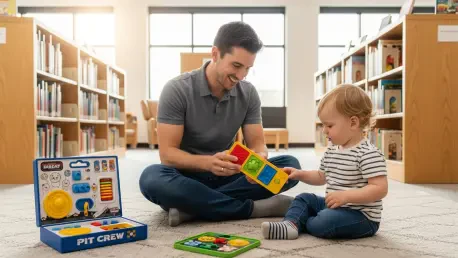

Scientific evidence confirms that eighty percent of a human being’s neural pathways and brain architecture are established before they ever set foot inside a traditional kindergarten classroom. The critical nature of this developmental window has led to a strategic partnership in Pinellas County between the organization Turbo Babies and the local library system. This collaboration focuses on equipping caregivers with “pit crew bags,” which are curated educational kits designed to stimulate cognitive growth and sensory exploration. By positioning these resources within the public library infrastructure, the program ensures that high-quality learning tools are accessible to all families, regardless of socioeconomic status. These kits function as a practical toolkit for parents, transforming everyday interactions into meaningful learning opportunities. The initiative acknowledges that while the biological process of brain development is complex, the practical application of support can be streamlined through community-led interventions. This approach treats the library not just as a repository for books, but as a vital laboratory for early neurological health and social bonding.
The Science of Early Childhood Intervention
Neurobiological research consistently highlights that the first three years of life represent a unique period of plasticity where the environment directly shapes the brain’s physical structure. Elicia Hinson, a key figure in this initiative, emphasizes that parents serve as a child’s first and most influential teachers during this high-growth phase. The “pit crew bags” distributed across Pinellas County act as an instruction manual for this foundational stage, offering a bridge between complex developmental science and daily caregiving routines. Each kit contains professional-grade items such as tactile toys, age-appropriate books, and instructional guides that help parents navigate developmental milestones. This initiative removes the guesswork for families who may feel overwhelmed by the abundance of conflicting parenting advice available online. By providing physical tools that encourage verbal engagement and motor skill practice, the program facilitates the specific types of “serve and return” interactions that are proven to strengthen neural connections.
Expanding Community Access through Library Networks
The logistical success of this program relied on the strategic utilization of fourteen library branches, including locations in Dunedin, Largo, and Tarpon Springs. This network allowed for a seamless distribution of resources that reached diverse neighborhoods and varying demographics across the region. Looking forward, the integration of digital tracking and feedback loops within these kits provided a model for other municipalities to replicate. Stakeholders identified that expanding such programs to include localized workshops further solidified the impact of the tangible materials. It was essential for local governments to prioritize the funding of these community hubs to maintain the momentum of early childhood literacy and cognitive health. Community members found that visiting their local library for these kits also opened doors to other essential public services. The project demonstrated that early intervention was most effective when it was both physically accessible and emotionally supportive. As this initiative matured, it established a blueprint for future public-private partnerships focused on long-term educational outcomes.