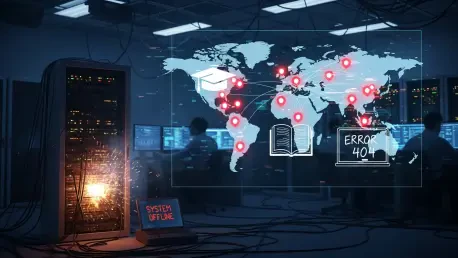

The sudden collapse of the Canvas learning management system during the height of the spring final exam season sent shockwaves through nearly nine thousand educational institutions worldwide. For tens of thousands of students, the platform serves as the central nervous system of their academic life, hosting everything from lecture recordings and grade books to critical communication channels with faculty. This disruption was not a mere technical glitch but a calculated offensive by the hacking collective known as ShinyHunters, who targeted the infrastructure at its most vulnerable moment. By infiltrating the servers of Instructure, the parent company of Canvas, these cybercriminals managed to seize control of sensitive data and paralyze the primary interface for higher education. The scale of the breach forced major universities to scramble for contingency plans, as the digital pathways used to submit final papers and complete proctored exams were abruptly severed without warning. This event underscores the fragility of centralized academic systems in an era where digital reliance has become absolute and non-negotiable.
Strategic Timing and the Ransomware Gambit
Cybersecurity experts note that the timing of this attack was far from coincidental, as hackers often wait for periods of peak activity to exert the maximum possible pressure on their targets. By striking during finals week, the ShinyHunters group ensured that the stakes remained at an all-time high, creating a situation where every hour of downtime translated into academic chaos and intense public scrutiny. This strategy is designed to accelerate ransom negotiations, as institutions face immense pressure from students, parents, and faculty to restore services regardless of the cost. Industry analysts have observed a growing trend where cybercriminals move beyond simple data theft to focus on high-impact operational disruption. In this instance, the threat of leaking billions of private records and sensitive messages served as a powerful secondary lever. The hackers understood that the academic community would be more likely to capitulate if the alternative was the permanent loss of intellectual property and personal data.
The impact on the ground was immediate and devastating for faculty members who had transitioned almost entirely to digital grading and assignment collection. At institutions like the University of Texas at San Antonio and Wayne State University, professors found themselves unable to access the materials necessary to finalize course marks or even communicate with their students. Some educators expressed deep concern over the potential loss of digital assignments submitted throughout the term, fearing that a total system wipe could invalidate months of student effort. This forced university administrations to consider extreme measures, including the postponement of graduation requirements or the issuance of blanket credits to prevent penalizing students for a systemic failure. The disruption highlighted a significant gap in disaster recovery planning within the educational sector, where many institutions lacked redundant systems capable of operating independently. Consequently, the reliance on a single provider created a single point of failure that paralyzed the academic progress of millions.
Institutional Transparency and Future Security Measures
While individual universities like Princeton tried to manage the fallout through social media updates, the initial response from Instructure was characterized by a silence that fueled further anxiety. This lack of transparency during the early hours of the breach left IT departments across the globe in the dark, unable to provide clear answers to their local campus communities. Analysts have pointed out that the methods employed by ShinyHunters in this attack bear a striking resemblance to previous breaches involving platforms like PowerSchool, suggesting a sophisticated and repeatable playbook. These hacking collectives have demonstrated a keen understanding of the vulnerabilities inherent in large-scale educational software providers. The incident has prompted a broader conversation regarding the responsibilities of software-as-a-service providers to maintain robust communication protocols during a crisis. Without clear guidance, many schools were forced to invent temporary workarounds that often lacked the security and privacy protections required for handling sensitive data.
Moving forward, the academic community recognized that the 2026 Canvas breach necessitated a fundamental shift in how educational institutions approached digital resilience and data sovereignty. Institutions began implementing decentralized backup protocols and secondary communication platforms to ensure that essential academic functions could continue even if a primary vendor suffered a catastrophic outage. Security experts recommended that schools conduct more rigorous third-party audits of their software providers, demanding higher standards of encryption and more frequent penetration testing to identify vulnerabilities before they were exploited. Furthermore, the event catalyzed a push for enhanced cybersecurity training for faculty and staff, emphasizing the importance of protecting access credentials that could serve as entry points for attackers. By prioritizing these defensive strategies, universities aimed to build a more robust infrastructure that prioritized the continuity of education. This proactive stance was essential to regaining the trust of a student body that had seen its academic stability threatened.