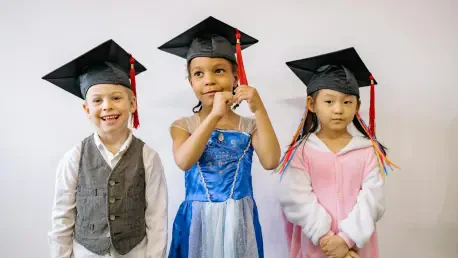

The sun-drenched courtyard of the Nierman Preschool in La Jolla recently transformed into a vibrant stage where the laughter of young children blended seamlessly with the hopeful anticipation of their families and the pride of their dedicated educators. This event, formally recognized as a “promotion,” serves as a critical developmental bridge that moves beyond the simple conclusion of a school year to represent a significant shift in a child’s identity and social standing within the community. In an era where social isolation can often fragment local neighborhoods, such ceremonies act as a powerful antidote, weaving together family life, educational excellence, and shared cultural heritage. The transition from early childhood education to the broader world of elementary school is not merely a bureaucratic checkbox but a profound milestone that signals the readiness of the next generation to engage with more complex social structures. This framing ensures that early years are honored as the bedrock of future growth.
Honoring Rituals and the Sacred Bond of Learning
At the heart of this celebration lies a series of meticulously curated rituals that bridge the gap between ancient traditions and modern educational milestones. One of the most poignant moments occurs when the graduating class gathers beneath the expansive folds of a tallit, a traditional prayer shawl that serves as a physical and spiritual canopy for the children. This symbolic act creates a tangible sense of protection and communal warmth, reminding everyone present that these young learners have been nurtured within a safe and supportive environment. The tallit represents a “chain of connection,” a concept that emphasizes the continuity of wisdom passing from one generation to the next without interruption. Educators and parents join in reciting prayers that honor the growth achieved during these formative years, acknowledging that the transition to primary school is supported by a legacy of care. This practice elevates the graduation from a routine school function into a sacred communal experience.
The educational philosophy driving this transition views the relationship between the teacher and the student as a deeply reciprocal partnership rather than a one-way transfer of data. While the faculty provides essential guidance in literacy, numeracy, and social-emotional regulation, the children contribute a raw sense of wonder and infectious joy that revitalizes the school’s atmosphere. This exchange ensures that the learning process remains dynamic, as teachers often find themselves transformed by the curiosity and unique perspectives of their pupils. By recognizing the child as a co-creator of the classroom experience, the ceremony validates the inherent dignity of the young learner and the profound impact they have on the adults in their lives. This mutual respect forms the basis of a healthy learning environment where identity is explored and confidence is built through meaningful interaction. As these students enter formal academic settings, they carry the understanding that their voices matter for the collective flourishing of the community.
Cultivating Universal Values and Lifelong Connections
While the school remains deeply rooted in specific cultural traditions, it simultaneously embraces a diverse student body representing a wide spectrum of religious and ethnic backgrounds. This inclusive environment allows for the cultivation of universal values such as Tzedakah, which focuses on the concepts of charity, justice, and social responsibility. By immersing families from all walks of life in these ethical frameworks, the preschool equips its graduates to become compassionate ambassadors in a multicultural world. These children learn that kindness and friendship are not merely personal traits but civic duties that help bridge divides and foster understanding among different groups. The ceremony highlights how early exposure to such concepts creates a lasting impact on a child’s moral compass, preparing them to enter elementary schools with a well-developed sense of empathy. Consequently, the graduation serves as a testament to the power of value-based education in creating a more cohesive society where the success of one child is seen as a victory for the whole community.
The conclusion of the preschool years functioned not as a final exit but as an intentional expansion of the circle of communal involvement for every participating family. Leaders within the Lawrence Family JCC prioritized the establishment of a lifelong relationship with these graduates, ensuring that the sense of belonging fostered in the classroom remained a steadying force throughout their lives. This approach required the development of robust post-graduation programming, including sports leagues and holiday celebrations that kept the alumni network active and engaged. By maintaining these connections, the institution provided a roadmap for how modern communities can sustain social capital across different life stages. Families were encouraged to view this promotion as a call to action, taking the values of justice and kindness they witnessed into their future neighborhoods and schools. The event ultimately demonstrated that when an institution invested in the long-term well-being of its members, it created a resilient foundation that supported communal hope.