
High schools across the region are increasingly focusing on career readiness by installing specialized labs for vocational training as part of their long-term infrastructure modernization strategies. This shift marks a pivotal moment for public education in the Chicago metropolitan area, where the start of the current academic year has seen a flurry of activity across major suburban hubs. From the rolling landscapes of Kane County to the densely populated neighborhoods of Cook and Lake counties, school boards are aggressively moving to overhaul facilities that have reached their functional limits. The impetus behind this region-wide transformation is two-fold: a pressing need to update decades-old infrastructure and a pedagogical shift toward more specialized, student-centric learning models. By transitioning toward middle school structures for grades six through eight and expanding early childhood programs, these districts are not merely maintaining buildings but are fundamentally reimagining the role of physical space in the developmental journey of a student. These investments are fueled by a mix of local tax referendums and long-term capital planning, reflecting a community-wide consensus that modern learning environments are indispensable for fostering a competitive workforce and maintaining the socioeconomic health of these diverse suburban communities.
District-Wide Expansions and Structural Realignment
Implementing Large-Scale Modernization: Elgin District U-46
Elgin Area School District U-46 stands as a primary example of this massive regional overhaul, currently executing a $380 million capital investment plan that is among the largest in the state’s history. A cornerstone of this strategy is the fundamental realignment of the district’s grade structure, specifically moving sixth graders into middle schools to better align with contemporary developmental research. This transition has necessitated massive physical expansions at several key locations, including Kenyon Woods and Kimball middle schools. These campuses have been augmented with tens of thousands of square feet dedicated to more than just traditional desks and boards. A particularly innovative feature of these new wings is the inclusion of “chill rooms,” which are specialized social hubs designed to help adolescents regulate their emotions and foster interpersonal connections in a low-pressure environment. Beyond middle school expansion, the district is also tackling the obsolescence of its oldest primary facilities. The replacement of McKinley Elementary represents a move toward high-efficiency building designs that prioritize natural light, flexible seating, and advanced ventilation systems, all of which have been proven to enhance cognitive focus and long-term academic outcomes for the district’s youngest learners.
Vocational Training: Kaneland District 302’s Economic Shift
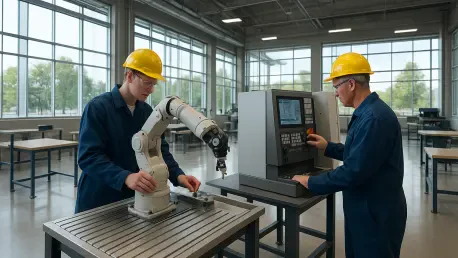
In neighboring Kane County, Kaneland Unit District 302 is pursuing its own $140 million improvement roadmap that places a distinct premium on vocational training and athletic excellence. Recognizing that the modern economy requires a diverse array of technical skills, administrators are aggressively converting underutilized areas of their campuses into high-tech laboratories that mirror the environments found in professional trades and advanced manufacturing. These facilities allow students to gain hands-on experience with emerging technologies, bridging the gap between theoretical classroom learning and practical career application. The district’s long-term vision also includes a monumental $51 million complex that will serve as a new field house and centralized transportation center. While the most intensive phases of this construction are slated to continue through 2028, immediate dividends are already visible to the student body. Recent completions include overhauled elementary playgrounds and modernized high school common areas that encourage collaboration and peer-to-peer mentoring. By investing in both the physical well-being and the professional readiness of its students, Kaneland is positioning itself as a leader in suburban educational innovation, ensuring its graduates are equipped for both higher education and immediate entry into the workforce.
Improving Safety Standards and Early Childhood Learning
Prioritizing Security: The Indian Prairie 204 Initiative
Indian Prairie Unit District 204, which provides critical educational services to the burgeoning populations of Aurora and Naperville, is currently managing a massive $420 million bond-funded project. The primary focus of this initiative is the elevation of campus safety standards through the implementation of cutting-edge security infrastructure. This involves the installation of sophisticated secure entryway systems at multiple high schools and middle schools, designed to provide a more controlled environment for both students and staff. These entry points utilize advanced access control technologies to vet visitors without disrupting the flow of the school day. Alongside these security enhancements, the district is also prioritizing environmental sustainability and operational efficiency. A significant portion of the funding is being directed toward the installation of energy-efficient LED lighting systems across all facilities. This move is expected to drastically reduce the district’s carbon footprint while simultaneously lowering long-term utility costs, allowing more resources to be diverted back into direct classroom instruction. The holistic approach taken by District 204 demonstrates how modern school infrastructure must balance the immediate need for physical safety with the long-term requirement for fiscal and environmental responsibility.
Early Childhood Development: Des Plaines District 62
The focus on educational foundations is also evident in Des Plaines District 62, where a $30 million investment is currently being used to expand all-day kindergarten offerings. This initiative recognizes that early immersion in a full-day academic program is vital for closing achievement gaps and preparing children for the rigors of primary education. The construction project includes the addition of five specialized classrooms at North Elementary, as well as new music rooms and dedicated play areas across the district. Administrators have noted that these spaces are not merely additions but are designed to facilitate play-based learning, which is essential for social and cognitive development in five-year-olds. Furthermore, the district is completing several inclusive playgrounds that are specifically engineered to be accessible to students of all physical abilities. By ensuring that every child has access to safe, stimulating, and developmentally appropriate facilities from the very beginning of their academic career, District 62 is making a long-term investment in the success of the entire community. These upgrades reflect a broader suburban trend that sees early childhood education as the bedrock of future academic achievement and a key driver of long-term social stability and economic growth.
Adapting Campus Facilities: Modernizing Mid-Century Infrastructure
As suburban districts grapple with aging buildings, many are opting for targeted renovations that address specific functional gaps within their existing footprints. Mundelein High School District 120, for example, recently completed an eight-classroom addition and a comprehensive cafeteria expansion as part of a larger $200 million modernization plan. Similarly, in Libertyville, construction teams are finishing work on bathroom modernizations and cafeteria updates that were previously delayed by challenging soil conditions on-site. These projects underscore the dedication of school boards to refreshing mid-century infrastructure and making it functional for today’s diverse student population. Beyond simple expansions, there is a clear trend toward redesigning the interior atmosphere of these schools to foster more collaborative learning. Many districts are moving away from the rigid “factory model” of the past century, replacing traditional rows of desks with “learning commons” and flexible science hubs. At Glenbard North High School, renovations have focused on creating multi-functional spaces that support both rigorous scientific inquiry and the fine arts. This transition toward fluid, adaptable environments encourages students to take ownership of their learning and facilitates the kind of teamwork that is increasingly demanded in the modern professional world.
Sustainable Planning and Future Academic Readiness
Ensuring Long-Term Success: The Role of Community Support
The sheer scale of these renovation and construction efforts would not be possible without the robust financial backing provided by local residents. Successful referendums and bond issues across the Chicago suburbs demonstrate a shared understanding that high-quality school facilities are a critical factor in maintaining local property values and a thriving economy. When voters approve these multi-million dollar projects, they are essentially endorsing a vision of the future where the school serves as a hub for community activity and professional development. This financial support allows districts to tackle complex logistical hurdles, such as the “middle school gap,” which often requires the construction of massive new wings or entirely new campuses to accommodate shifting enrollment patterns. By addressing these structural needs head-on, districts are able to create a more cohesive educational pathway that supports students as they transition from early childhood through to high school graduation. This strategic alignment of physical space and academic goals ensures that the community’s investment yields the highest possible return in terms of student achievement and regional competitiveness, reinforcing the bond between the school system and the taxpayers who fund it.
Strategic Evolution: Preparing the Next Generation
The successful implementation of these projects demonstrated that suburban districts effectively transitioned from reactive maintenance to proactive educational design. School boards recognized that physical environments must evolve alongside academic standards to produce truly prepared graduates. This era of construction established a new benchmark for how public resources could be utilized to maximize student safety, inclusivity, and technical proficiency. Looking ahead, the focus shifted toward ensuring that instructional methods fully leveraged these advanced facilities. Educators began receiving ongoing professional development to integrate new technologies and collaborative spaces into their daily lesson plans. Furthermore, districts maintained transparent communication with their communities to prove the ongoing value of these capital investments through improved student performance metrics. By continuing to refine these spaces based on real-time feedback from students and teachers, suburban schools ensured that their infrastructure remained a catalyst for innovation rather than a relic of the past. The regional commitment to modernization laid the groundwork for a more resilient and adaptable educational system capable of meeting the demands of an ever-changing global landscape, ultimately securing a brighter future for the region’s youth.