
The fundamental landscape of American military leadership education is undergoing a massive transformation as the Department of Defense reassesses the core mission of its most prestigious academic institutions to ensure a singular focus on lethality and strategic dominance. Defense Secretary Pete Hegseth recently initiated a formal review of senior military service colleges, signaling a decisive shift toward prioritizing combat readiness over broader academic pursuits. A specialized task force, led by Anthony Tata, received a mandate to evaluate the operations and curricula of critical hubs including the Army War College, National Defense University, and the Naval War College. This comprehensive assessment also extends to the Marine Corps University and the Air War College, reflecting a department-wide effort to align educational outcomes with national security objectives. The group was tasked to produce a report within 90 days to address perceived deficiencies. By focusing on tactical proficiency, the Pentagon aims to prepare its leaders for modern warfare.
Reclaiming Educational Standards From External Academic Influence
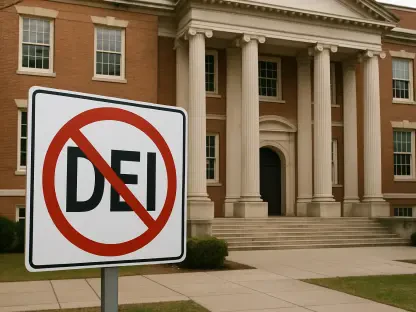
The primary objective of this institutional overhaul is to reinforce high standards of meritocracy and warfighting preparedness among both high-ranking military leaders and Pentagon civilians. Secretary Hegseth emphasized that the task force aims to protect professional military education from cultural biases and ideologies that he believes have permeated elite civilian universities. This initiative follows a significant policy change where the Pentagon withdrew service members from top-tier civilian institutions such as Princeton and MIT. By auditing internal war colleges, the Defense Department seeks to prioritize critical thinking rooted in the nation’s founding principles, ensuring that professional military education remains dedicated strictly to winning conflicts. The shift reflects a trend toward insulating the military from external academic trends. Instead, the focus remains on strategic excellence, ensuring that classroom study contributes directly to the force. This realignment intended to produce a mission-oriented leadership class capable of navigating challenges from 2026. By removing distractions, the department sought to foster a culture where merit and performance are the only metrics for success.
Establishing a Strategic Roadmap for Military Academic Excellence
The final report from the task force served as a roadmap for identifying and correcting deficiencies within these military institutions. To ensure the longevity of these changes, the Defense Department established an oversight mechanism that scrutinized course materials for alignment with tactical goals. Future considerations included the development of an internal accreditation system that valued practical combat experience and strategic simulation over theoretical studies. This approach ensured that the intellectual capital of the officer corps remained centered on the complexities of multi-domain operations. Commanders were encouraged to integrate these refined educational standards into their unit training programs, creating a link between the classroom and the battlefield. The focus shifted toward developing a curriculum that emphasized historical military successes and failures. By decoupling from civilian academic standards, the military created a specialized environment where professional development was synonymous with operational readiness. The resulting shift prioritized the immediate needs of the warfighter, ensuring that national security remained the primary driver of all educational investment.