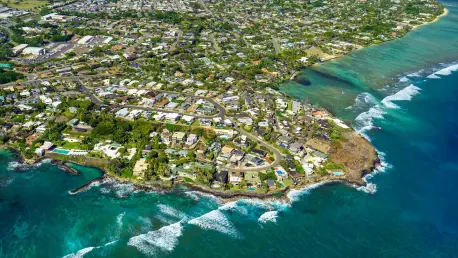

The sheer geographic isolation of the Hawaiian Islands presents a unique set of logistical and financial hurdles for maintaining state-of-the-art public facilities and transportation networks. To address these persistent challenges, the State of Hawaii recently executed a monumental bond sale totaling approximately $1.94 billion, marking a significant milestone in its ongoing effort to modernize the local landscape. This strategic infusion of capital is not merely a budgetary line item but a comprehensive plan to revitalize the essential pillars of island life, from the classrooms where students learn to the highways that connect communities. By leveraging the current economic climate and the state’s strong fiscal standing, officials have secured the necessary resources to initiate a wave of capital improvement projects. This move signifies a proactive shift toward long-term resilience, ensuring that the state remains capable of supporting its residents and visitors through high-quality infrastructure that matches the natural beauty of the region.
Targeted Investment in Educational and Social Foundations
The primary engine of this financial initiative is a $1.5 billion issuance of general obligation bonds, which are designated for a wide array of public works that directly impact the daily lives of residents across all islands. A significant portion of these funds is dedicated to the enhancement of K-12 educational facilities, aiming to create more modern and efficient learning environments for the next generation. Furthermore, the University of Hawaii system and various community colleges are slated to receive substantial upgrades, ensuring that higher education remains a competitive and accessible pathway for the local workforce. Beyond the classroom, the capital is being directed toward public libraries, community parks, and diverse public buildings that serve as the social fabric of the state. These projects represent a holistic approach to state development, where the focus remains on improving the quality of life through better public services and modern communal spaces.
In addition to the broader public works, the state has allocated $438 million specifically through highway revenue bonds to tackle the pressing needs of its transportation sector. This funding is critical for the modernization of the aging roadway network, which faces unique stressors from the tropical climate and high traffic volumes in urban centers. A particularly savvy aspect of this financing involves the strategic refinancing of existing debt, which is projected to save Hawaii taxpayers roughly $11 million in total debt service costs over the coming years. This maneuver demonstrates a sophisticated understanding of debt management, allowing the state to free up capital that would otherwise be spent on interest for new, high-priority infrastructure projects. By integrating new debt for expansion with the optimization of old liabilities, the state is maximizing the impact of every dollar borrowed. This dual-track strategy ensures that the modernization of highways does not come at the expense of fiscal sustainability.
Institutional Investor Demand and Fiscal Validation
The success of this massive bond sale was largely driven by an exceptionally strong reception from the global financial markets, which signaled a high level of confidence in the state’s economic leadership. When the general obligation bonds were brought to market, institutional orders surged to a staggering $8.2 billion, effectively exceeding the available offer by five times. Similarly, the highway revenue bonds saw demand that tripled the initial offering, illustrating that investors view Hawaii as a stable and attractive destination for long-term capital. This overwhelming interest is a testament to the state’s transparent financial reporting and its consistent ability to meet its obligations despite external economic pressures. Such a robust market performance allows the state to secure more favorable interest rates, which further lowers the long-term cost of infrastructure development. The competitive bidding process highlighted the perceived value of Hawaii’s credit, placing the state in a position of strength.
National credit rating agencies have provided additional validation for this financial strategy by issuing positive evaluations of Hawaii’s fiscal health and governance. Fitch Ratings recently adjusted the state’s general obligation credit outlook from stable to positive while affirming its solid AA rating, a move based on the state’s substantial reserves and its disciplined approach to balancing the budget. This improved outlook suggests that further upgrades could be on the horizon if the state maintains its current trajectory of fiscal responsibility. Meanwhile, S&P Global Ratings took an even more bullish stance by upgrading the state’s highway revenue bonds to the highest possible rating of AAA. The agency cited Hawaii’s robust financial performance and the diversity of its revenue streams as the primary drivers behind this top-tier designation. These high ratings are crucial because they signal to the broader market that the state is a low-risk borrower, which facilitates future bond sales.
Building a Sustainable Path Through Fiscal Discipline
The overarching strategy for Hawaii’s financial future relied on the integration of frequent revenue forecasts and multiyear financial planning to maintain a stable fiscal environment. By utilizing these advanced analytical tools, state leaders successfully navigated economic fluctuations while committing to aggressive infrastructure investment. This unified approach ensured that the modernization of public facilities remained a priority without compromising the state’s long-term creditworthiness. The focus shifted toward creating a sustainable cycle where prudent debt management supported continuous physical upgrades. Moving forward, the state established a clear roadmap for monitoring the progress of these capital projects to ensure they met modern standards of efficiency and safety. These actions provided a solid foundation for future growth, demonstrating that fiscal discipline and infrastructure modernization were not mutually exclusive goals but rather interconnected components of a resilient economy that effectively served the needs of all its citizens.