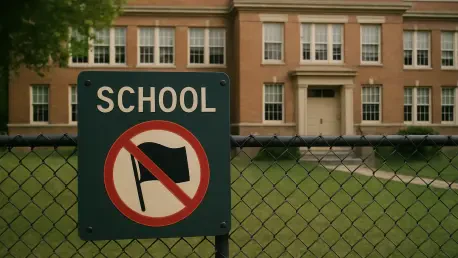

Education Minister Demetrios Nicolaides has framed the drive for classroom neutrality as a way to teach students how to think rather than what to think, though critics fear a chilling effect. Alberta’s education system is currently undergoing a massive transformation with the introduction of Bill 25, formally known as An Act to Remove Politics and Ideology from Classrooms. This legislative framework seeks to redefine how schools are governed, how teachers interact with students, and which symbols are allowed on school grounds. While the provincial government intended for a comprehensive overhaul by late this year, the rollout has been split into two phases, creating a complex environment for school boards and educators to navigate. The decision to stagger the implementation of the bill reflects the provincial government’s desire for a thoughtful and measured transition. By moving the most controversial and culturally sensitive elements to a later date, the Ministry of Education hopes to minimize immediate friction while building a stable foundation.
The Staggered Path: Regulatory Reform and Implementation
The delay in implementing specific sections of the bill has left many administrators in a state of limbo, as they must prepare for significant structural changes while the specific rules regarding classroom culture remain unwritten. Government officials argue that this phased approach is necessary to ensure that school boards have ample time to adjust their internal policies without disrupting the ongoing academic year. However, the lack of clarity regarding which heritage symbols will be permitted and which will be banned has created a vacuum of information. Schools that have historically prioritized inclusive environments now find themselves questioning whether existing displays will meet the new provincial standards. This period of waiting is not merely administrative; it is deeply psychological for staff members who feel the weight of impending change without knowing the exact boundaries they are expected to maintain. Consequently, the atmosphere in many staff rooms remains tense as the secondary phase approaches.
One of the most visible components of the legislation involves strict new rules for school flags and the national anthem. Under the proposed regulations, schools will eventually be limited to flying only the Canadian and provincial flags, with exceptions for heritage-based symbols still under review. This has sparked a debate over the future of Pride flags and Indigenous symbols, as the lack of published criteria for exemptions has created a vacuum for schools looking to maintain diverse representation. The requirement for a weekly recital of “O Canada” has been paused alongside the flag restrictions, though it remains a core expectation for the final implementation phase. These symbolic shifts are designed to create a sense of national and provincial unity, but they have also been interpreted by some community leaders as a rejection of local identity and multicultural expression. The provincial government maintains that a standardized approach to symbols ensures that no single ideological group can dominate the school environment.
Centralization of Authority: Ministerial Control and Oversight
Beyond the symbolic changes, several major administrative shifts have already taken effect, significantly increasing provincial oversight of local school leadership. The government now requires ministerial approval for all new or renewed superintendent contracts, effectively granting the province a veto over who leads local school divisions. This change fundamentally alters the power dynamic between the Ministry of Education and local school boards, which previously enjoyed greater autonomy in selecting their top executives. Proponents of this move suggest that it ensures alignment between provincial educational goals and local execution, preventing rogue boards from deviating from the established curriculum or fiscal policies. Critics, however, argue that this centralization undermines the democratic role of elected trustees and treats school divisions as mere branches of the provincial government. By controlling the selection of leadership, the province can exert a more direct influence over the daily operations of every school.
Furthermore, school boards are now legally restricted from taking public stances on social, ideological, or political issues that fall outside their core educational mandate. This move is paired with a push for digital modernization, as all diploma exams and achievement tests are transitioning to a digital-only format starting this year and continuing through 2028. These changes, along with new provincial powers to seize school property under specific conditions, signal a broader trend of reducing local autonomy in favor of a centralized provincial authority. The ban on political stances is particularly significant, as it prevents boards from advocating for specific social causes that may be popular within their local communities but run contrary to provincial policy. This silencing of institutional voices is intended to keep the focus strictly on academic outcomes, yet it also limits the ability of boards to respond to the unique social pressures their students face. The transition to digital testing also necessitates a massive infrastructure upgrade across the province.
Classroom Neutrality: Balancing Instruction and Inquiry
The central pillar of Bill 25 is the mandate for classroom neutrality, which requires teachers to provide fair and unbiased instruction across all grade levels. The government’s goal is to ensure that students are shielded from the personal biases or ideological views of their instructors, fostering an environment where independent thought is prioritized. While this sounds straightforward in theory, the practical application has become a major point of contention between the province and the teaching profession. Educators are tasked with presenting multiple perspectives on sensitive topics, but the line between presenting a view and endorsing it is often thin. For example, in social studies classes where historical grievances or current events are discussed, teachers must navigate a minefield of potential complaints if a student or parent perceives the lesson as one-sided. The legislation puts the onus on the individual teacher to maintain a perfectly balanced perspective, which some argue is an impossible standard for complex human interactions.
The Alberta Teachers’ Association has voiced concerns that the bill’s language is unnecessarily vague and could lead to a chilling effect in the classroom. Educators argue that they are already bound by professional standards to remain balanced and that the new law might discourage healthy debate on complex topics. There is a growing fear among teachers that any lesson perceived as non-neutral could lead to professional repercussions, potentially limiting the depth of inquiry in high school humanities and social sciences. If teachers become too afraid to touch upon controversial subjects for fear of being accused of bias, students may miss out on the critical thinking skills the bill purportedly seeks to protect. The uncertainty surrounding how these rules will be enforced has led some staff to preemptively sanitize their curricula, avoiding any topic that could be remotely interpreted as political. This defensive posture could result in a less rigorous educational experience, as the fear of litigation or disciplinary action begins to outweigh the value of challenging discussions.
Regional Context: A Broadening Trend in Education
Alberta’s legislative move is not happening in a vacuum, as similar debates over school symbolism and provincial authority are unfolding in Saskatchewan and Ontario. In these provinces, education ministers are increasingly intervening in local board decisions regarding flags and curriculum, citing the need for consistency across the school system. This regional trend suggests a broader shift in Canadian educational governance, where provincial governments are reclaiming powers that had been delegated to local boards over several decades. The focus on parental rights and ideological neutrality is a recurring theme in these legislative efforts, reflecting a growing segment of the population that feels the public school system has drifted too far from core academic instruction. As Alberta moves forward with the rest of Bill 25, the balance between provincial control and local community values will remain a primary focus for parents, teachers, and policymakers. The outcome of these changes will likely set a precedent for other provinces considering similar reforms.
The transition toward a centralized and neutral educational framework required school leaders to adopt a proactive approach to professional development. Administrators prioritized clear communication with parents to explain how these new standards would be upheld without compromising the quality of student inquiry. Teachers sought out collaborative platforms to share balanced lesson plans that met the provincial neutrality mandate while still encouraging high-level critical thinking. It became evident that success depended on defining clear protocols for conflict resolution when disagreements over classroom content arose. Moving forward, the focus shifted toward building a robust framework for digital literacy, ensuring that students were equipped to analyze information objectively in an increasingly polarized digital world. School boards also investigated ways to maintain local school spirit and community identity within the new regulatory boundaries. By focusing on academic excellence and transparent governance, the province aimed to stabilize the system and restore public confidence.