
The summer trades initiative originally began as a pragmatic solution for painting residence halls but has since evolved into a comprehensive training ground for plumbers and electricians. While Brown University is globally recognized for its academic excellence, its role as a pivotal employer in Rhode Island often goes underappreciated by those outside the local economy. In the current landscape of 2026, the Facilities Management department has perfected a sophisticated system that identifies potential within entry-level staff and provides a clear trajectory toward high-paying, skilled trade professions. This initiative serves as more than just a staffing strategy; it is a structural commitment to upward mobility that transforms routine maintenance into a lifelong professional journey. By bridging the gap between unskilled labor and specialized craftsmanship, the university ensures its infrastructure remains world-class while simultaneously empowering its workforce. This methodology proves that institutional stability is best achieved through the continuous development of its own people.
Establishing a Framework: Professional Growth and Heritage
Leadership and Institutional Philosophy
Institutional strength at a large-scale organization like Brown University is fundamentally rooted in the professional vitality of its diverse workforce. Paul Armas, who serves as the assistant vice president of facilities operations, has consistently advocated for a management style that prioritizes the long-term potential of every individual, regardless of their starting position. By investing heavily in internal staff development, the university has successfully increased morale and significantly reduced turnover rates among its essential workers. This philosophy rests on the belief that when employees feel valued through tangible growth opportunities, they provide a higher level of dedication and technical precision to their daily tasks. In 2026, where skilled labor is increasingly difficult to source externally, building a talent pipeline from within is not just a moral imperative but a strategic necessity for high-functioning organizations.
Transforming a traditional workplace into a continuous learning environment requires a shift in how manual labor is perceived by both administration and the employees themselves. At Brown, entry-level maintenance roles are no longer viewed as static or dead-end occupations but are instead framed as the initial phase of technical mastery. This cultural shift encourages workers to view their current responsibilities as a foundational layer upon which they can build specialized expertise in complex fields like electrical engineering or advanced plumbing. By providing the resources and time necessary for this evolution, the Facilities Management department has created a pathway where the physical act of campus maintenance serves as a gateway to professional licensure. This approach has redefined the relationship between the worker and the institution, turning daily labor into a purposeful educational pursuit that benefits the entire community.
The Origins: Evolution of the Summer Trades
The historical roots of this developmental initiative stretch back more than four decades, originating from a simple need to optimize seasonal labor during the summer months. Originally, the program was designed to solve a recurring challenge in the dining services department, where staff members often faced a lack of work hours while students were away on break. To provide steady employment, the university began hiring these dining hall workers to assist with the intensive process of painting residence halls in preparation for the fall semester. What began as a local solution to bridge a gap in the academic calendar has since expanded into a robust professional development engine that serves the entire university. This transition from a temporary labor fix to a permanent career incubator highlights the university’s ability to adapt its operational needs to benefit its local community and dedicated workforce.
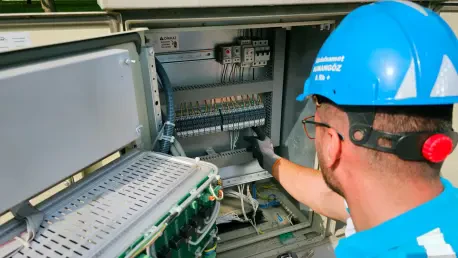
As the program matured, its scope broadened significantly to encompass a wider array of technical disciplines beyond simple residential painting. Today, the summer trades initiative acts as an introductory platform for several specialized fields, including the maintenance of high-voltage electrical systems, complex plumbing networks, and sophisticated HVAC units. This evolution was driven by the recognition that the university’s aging infrastructure and the rising complexity of modern building systems required a more technically proficient workforce. By leveraging the existing summer program structure, facilities leaders were able to integrate more advanced training modules that address these modern challenges. The program now serves as a primary entry point for individuals who wish to explore the trades without the immediate pressure of a formal certification process, providing a clear and accessible route for everyone.
Practical Advancement: Technical Training and Workplace Culture
Rotating Skill Sets and Certified Licensure
The practical structure of the ten-week summer program is specifically designed to expose participants to a wide variety of maintenance tasks through a series of tactical rotations. Instead of being confined to a single department, workers spend their time moving between different trade shops, where they gain exposure to diverse skill sets such as roof repair, carpentry, and partition framing. This cross-training approach is essential because it allows participants to gain a holistic understanding of how various building systems interact with one another on a large campus. For many workers, this period serves as a critical exploration phase where they can identify which specific trade aligns best with their personal interests and natural aptitudes. During these rotations, the emphasis is placed on safety protocols and the correct usage of industrial tools, ensuring that every participant builds a strong technical foundation.
For those who demonstrate exceptional aptitude during the summer rotations, the university provides a structured pathway toward formal state-certified licensure. This multi-year apprenticeship initiative is a rigorous undertaking that combines thousands of hours of supervised field experience with mandatory classroom education. Recognizing the financial barriers that often prevent workers from pursuing higher certification, the university frequently covers the cost of tuition for these specialized technical courses. This financial support, combined with the opportunity to learn under the mentorship of licensed master tradespeople, makes the goal of professional certification attainable for many who previously viewed it as out of reach. By the end of the program, participants are fully prepared to sit for state exams and earn the credentials necessary to work as journey-level electricians or plumbers within the regional industry.
Inspiring Success and a Springboard Culture
The long-term impact of these internal mobility programs is most evident in the professional success of the individuals who have spent decades rising through the university’s ranks. There are numerous examples of staff members who began their careers in basic custodial or dining roles and have since transitioned into highly specialized positions such as master locksmiths or project managers. These success stories serve as a powerful testament to the effectiveness of providing clear advancement paths within a large institution. Many of these individuals now hold leadership roles where they supervise the same departments they once entered as novices, bringing a unique and valuable perspective to their management style. Their journeys from entry-level positions to specialized technical roles highlight the university’s role as a catalyst for significant career transformation for the local workforce.
Central to the success of this initiative is the unique organizational culture fostered by department leaders who view their teams as a springboard for further advancement. Rather than attempting to retain talented individuals in entry-level positions to maintain operational convenience, managers at Brown actively celebrate when their staff members move on to more advanced and higher-paying roles. This culture of promotion is reinforced by the widespread recognition that a custodian becoming a licensed electrician is a victory for the entire university community. This supportive environment reduces the fear that often accompanies career changes and encourages employees to take the necessary risks to improve their professional standing. By prioritizing the career goals of the individual, the Facilities Management department has created a virtuous cycle where talented workers are attracted specifically for growth.
Strategic Outcomes: Enhancing the Internal Mobility Model
The success of the internal mobility model at Brown University demonstrated that large institutions could effectively bridge the gap between labor shortages and workforce development. Organizations that adopted similar frameworks successfully reduced their reliance on external contractors by cultivating a deep pool of technical talent within their own existing staff. These initiatives proved that providing clear, paid pathways to professional licensure was a critical factor in maintaining a stable and highly skilled facilities team. To replicate these results, leadership teams prioritized the removal of financial and educational barriers while encouraging a culture that celebrated internal promotion over static retention. The implementation of seasonal rotations allowed for the early identification of talent, while formal mentorship programs ensured that technical knowledge was preserved across generations. Moving forward, the integration of these programs into core strategy allowed the university to maintain a resilient workforce.