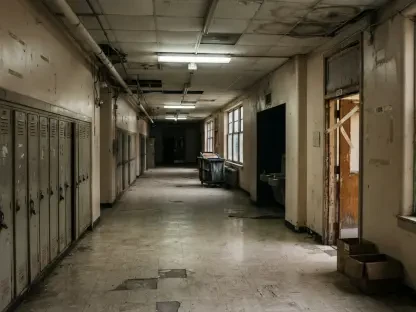

As the architectural integrity of American educational facilities continues to face the mounting pressures of aging infrastructure and environmental volatility, the necessity for robust modernization efforts has never been more critical for the safety of students and staff. Attune, a leader in indoor environmental quality and sensor technology, recently announced a half-million-dollar grant program designed to facilitate technical upgrades and physical modernization across fourteen diverse educational districts throughout the country. This financial commitment aims to address chronic issues such as poor ventilation, inefficient energy consumption, and lack of real-time data monitoring that have plagued public schools for decades. By integrating advanced Internet of Things sensors and cloud-based analytics, these districts are now positioned to transition from reactive maintenance models to proactive, data-driven management strategies. This initiative serves as a vital bridge between current budgetary constraints and the urgent need for high-performance learning environments that foster health and academic success for all students.
Technical Integration: Enhancing Building Operations Through Sensor Data
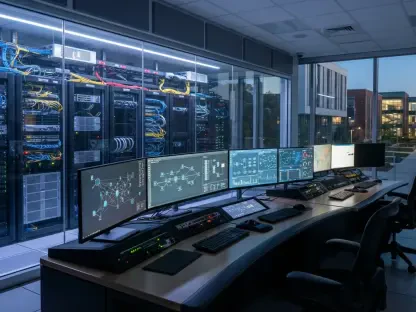
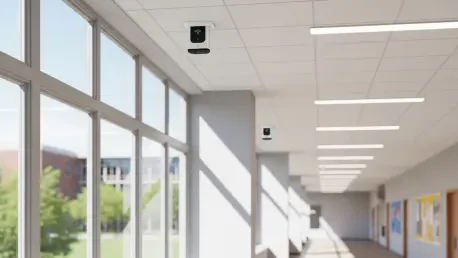
The integration of real-time monitoring systems allows school facilities to detect hidden pollutants and structural inefficiencies that often go unnoticed by traditional maintenance inspections. Modern sensors deployed through the grant provide continuous data streams on volatile organic compounds and particulate matter, ensuring that ventilation systems operate at peak efficiency whenever classrooms are occupied. This technological shift addresses the significant gap between older mechanical systems and contemporary standards for indoor environmental health. By utilizing these localized data points, facility managers can precisely adjust air exchange rates, which significantly reduces the energy waste associated with heating or cooling unoccupied spaces. Moreover, the implementation of these smart technologies creates a transparent dashboard for administrators, enabling them to verify that their buildings meet federal health guidelines without requiring expensive manual testing. This level of technical oversight is essential for maintaining the long-term operational viability of aging facilities.
Beyond the mechanical benefits of system upgrades, the modernization of school infrastructure has a direct and measurable impact on the daily academic performance and overall well-being of the student population. Research consistently indicates that improved air filtration and regulated humidity levels lead to fewer absences due to illness and higher concentration levels among learners during standardized testing periods. By investing in these foundational components of the school environment, the grant program fosters a setting where teachers and students can focus entirely on educational objectives rather than the distractions of poor air quality or temperature fluctuations. The shift toward data-centric building management also encourages a more sustainable approach to campus growth, as districts can identify specific areas requiring intervention rather than relying on broad, expensive replacement projects. This targeted method ensures every dollar contributes to a healthier, more productive learning atmosphere while extending the life cycle of existing physical building assets.
Strategic Roadmaps: Implementing Resilient Infrastructure Standards
Administrators who successfully implemented these modernization projects realized that the collection of building data was merely the first step toward a broader strategy of institutional resilience. They moved quickly to integrate these insights into their five-year capital improvement plans, ensuring that all future renovations adhered to the high performance standards established during the pilot phase. To maintain this momentum, districts developed standardized protocols for responding to sensor alerts, which prevented minor mechanical issues from escalating into costly emergency repairs. These actions solidified the role of the facilities department as a critical partner in the educational mission rather than a background service provider. Decision-makers also utilized the data gathered through the grant to advocate for additional state and federal funding, providing concrete proof of the benefits derived from modernized infrastructure. This proactive stance empowered schools to take control of their environmental footprint while creating a safer space for students to thrive.
The successful distribution and execution of the modernization grant demonstrated that public-private partnerships remained a vital tool for overcoming the systemic challenges of school facility management. Districts that participated in the program established clear benchmarks for success, allowing them to measure the return on investment through both financial savings and improved health metrics. These outcomes encouraged other educational leaders to seek similar technological solutions, fostering a nationwide trend toward smarter, healthier campuses. The transition to data-informed management allowed districts to move away from the uncertainty of aging infrastructure and toward a future characterized by stability and efficiency. The initiative, which began its primary rollout in early 2026, set the stage for a three-year modernization cycle through 2029. By documenting their successes, the 14 districts provided a roadmap for others to follow, proving that planning could yield significant improvements. Ultimately, the program reinforced the idea that the physical environment was an active participant in learning.