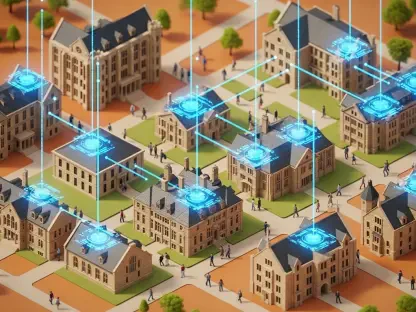

The sandstone walls of the University of Wyoming’s historic buildings currently stand as a silent witness to a friction that is increasingly common in American higher education: the collision between academic tradition and legislative fiscal control. While the university celebrates a rare streak of

The traditional image of the public college as an ever-expanding beacon of academic growth is rapidly being replaced by a starker reality characterized by aggressive fiscal austerity and structural contraction. Across the United States, and particularly within the Pacific Northwest, institutions

The shift from four-year degrees toward rapid, skills-based training represents a fundamental restructuring of how the United States views the path to economic stability and professional success. For decades, the federal financial aid system prioritized traditional academic paths, often leaving

Camille Faivre is an authority in higher education management, specializing in the complex maneuvers required to stabilize academic institutions during periods of fiscal volatility. With a career focused on supporting universities through post-pandemic transitions and the implementation of digital
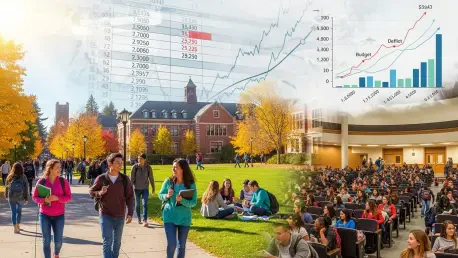
Walking through the vibrant Corvallis campus, one might easily mistake the overflowing lecture halls and bustling student unions for a sign of unprecedented financial prosperity. Oregon State University currently hosts a student body exceeding 38,000, marking a 16% growth rate over the last decade

The landscape of federal higher education financing is undergoing its most radical transformation in decades as the responsibility for managing the $1.7 trillion student loan portfolio shifts away from traditional academic oversight. This massive structural reorganization represents a fundamental
1 2 3 4 5 6 7 8 9 10 11 12 13 14 15 16 17 18 19 20 21 22 23 24 25 26 27 28 29 30 31 32 33 34 35 36 37 38 39 40 41