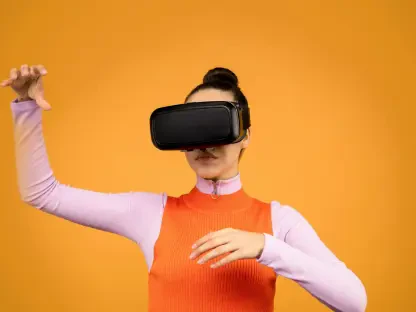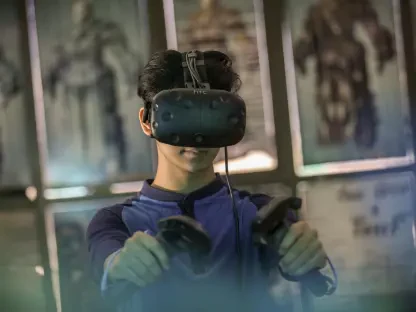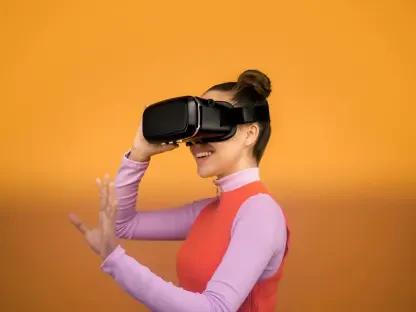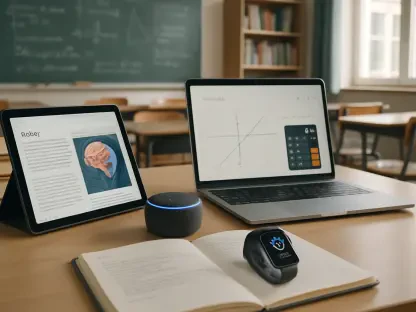
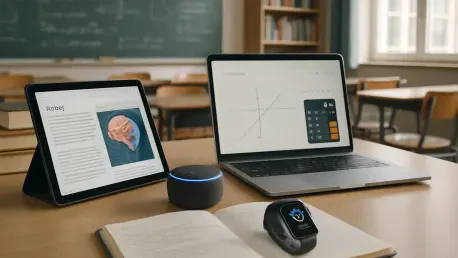
Imagine stepping into a classroom where dusty chalkboards and tattered textbooks are relics of the past, replaced by vibrant interactive screens, virtual reality headsets that transport students to distant worlds, and AI-driven tools that adapt to each learner’s unique needs. This isn’t a glimpse

Why this shift matters now Audiences gasp when a forest becomes a castle between breaths and no crew member lifts a single flat because light, software, and student skill now do the heavy lifting that lumber once did on school stages. In a climate where materials cost more, storage rooms are full,
In an era where workforce skills must evolve at lightning speed to keep pace with technological advancements, traditional corporate training often falls short, leaving employees underprepared and disengaged. Enter Lenovo, a titan in global technology, and VR Vision, a Canadian innovator in
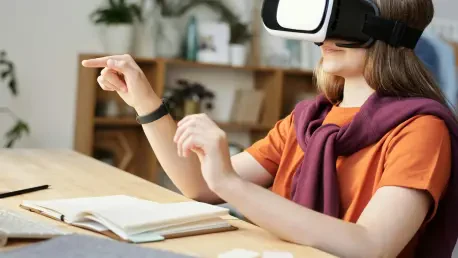
Setting the Stage for VR's Educational Revolution Picture a classroom where students dissect a virtual frog with pinpoint precision or explore the depths of the Mariana Trench without leaving their seats, all thanks to Virtual Reality (VR). This technology is no longer a futuristic fantasy but a
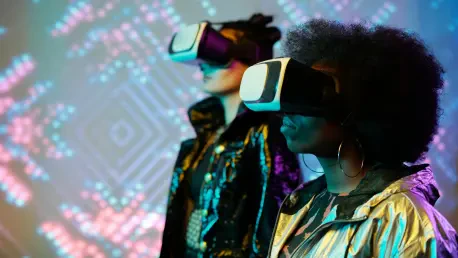
In the bustling heart of Las Vegas, a city synonymous with spectacle and innovation, a quiet revolution is unfolding within the walls of the University of Nevada, Las Vegas (UNLV). At the Lied Library, the newly launched Dreamscape Learn VR center, which opened its doors in September, is redefining
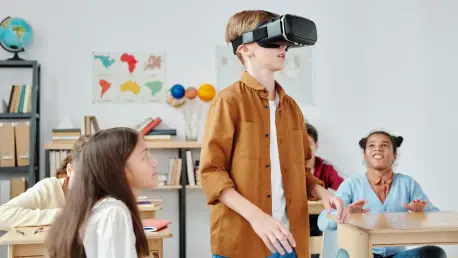
Imagine a classroom where students dissect a virtual frog without ever picking up a scalpel, or explore ancient Roman ruins without leaving their desks—such is the power of Augmented Reality (AR) and Virtual Reality (VR) in transforming educational landscapes. These technologies are not just