
The traditional path of full-time, residential theological education is increasingly at odds with the complex realities of modern life, prompting venerable institutions to reimagine their approach to training future leaders. Union Presbyterian Seminary (UPSem) has responded to this evolving landscape with a decisive and strategic transformation of its Richmond, Virginia, campus programs. Beginning in September 2026, the seminary will transition its graduate and certificate offerings to a fully hybrid learning model, a move designed to significantly broaden access for students balancing ministry, professional careers, and family commitments. This mission-driven initiative replaces the long-standing, predominantly in-person structure that often required students to relocate, marking a new chapter in the institution’s centuries-long history of equipping individuals for service. The change signals a broader trend within higher education, prioritizing flexibility and accessibility without sacrificing the core tenets of rigorous academic inquiry and deep spiritual formation.
A Blueprint for Flexible Learning
The newly structured academic experience at UPSem is meticulously designed to merge the convenience of remote learning with the invaluable benefits of in-person connection. Students in the hybrid programs will engage primarily in online coursework throughout the term, allowing them to remain embedded in their local communities and professional contexts. A critical component of this model, however, is the mandatory four-day on-campus residency required each term. This intensive period is intended to foster the deep relational bonds and collaborative spirit that have long been hallmarks of the seminary’s educational philosophy. This format is not an untested experiment for the institution; rather, it represents an expansion of a successful hybrid system that has been effectively utilized for years at UPSem’s Charlotte, North Carolina, campus. By leveraging this proven framework, the seminary aims to provide a consistent and high-quality educational journey for all its students, regardless of their physical location for the majority of their studies.
This strategic shift is fundamentally about accessibility and relevance in the 21st century. Jacqueline E. Lapsley, the president of UPSem, articulated the vision behind the change as a commitment to “meet students where they are,” both geographically and in their life circumstances. The seminary leadership asserts that this evolution will not dilute the academic excellence or the relational depth of its programs. The model is built to preserve and enhance the close mentorship between students and the seminary’s 26 distinguished full-time and adjunct faculty members, many of whom are globally recognized scholars in their fields. This faculty engagement remains central to the student experience, ensuring that the academic journey is not only rigorous but also deeply personal and spiritually formative. Degree timelines have been clearly defined within this new structure, with programs such as the Master of Arts in Christian Education and Master of Arts in Public Theology designed for completion in two years, and the Master of Divinity in three.
Reimagining the Role of Campus
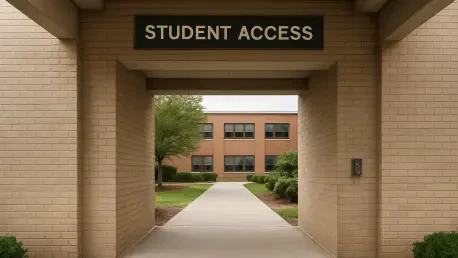
Despite the transition away from a required residential model, the historic Richmond campus is positioned to remain a vibrant and essential center for the seminary’s community and mission. Recognizing the desire of some students for a more traditional residential experience, UPSem is launching the Community Scholars Program. This innovative initiative will establish an intentional Christian living community on campus, providing a structured environment for students who choose to live in Richmond. Participants in this program will engage in a shared life of worship, communal meals, service projects, and collaborative study, fostering a unique and supportive spiritual and academic cohort. This program ensures that a strong, place-based community will continue to thrive, offering a distinct pathway for formation alongside the flexible hybrid model. The campus, therefore, evolves from a mandatory residence to a dynamic hub offering multiple modes of engagement for its diverse student body.
The Richmond campus will also continue to serve as a crucial resource for the wider church and community, solidifying its role as a center for lifelong learning and professional enrichment. The Leadership Institute will maintain its schedule of continuing education and professional development events, drawing leaders from various sectors to campus for specialized training and dialogue. Furthermore, the William Smith Morton Library, one of the most significant theological libraries on the East Coast, will remain fully accessible to all students, scholars, and local clergy. This unparalleled resource will continue to support the academic pursuits of hybrid students during their residencies and serve as an anchor for research and study in the region. By maintaining these vital functions, UPSem ensures that its physical campus remains integral to its identity and its service to the church, equipping a broad range of leaders for impactful service in churches, nonprofits, and civic institutions.
A Strategic Evolution for Future Ministry
The seminary’s adoption of a comprehensive hybrid model was a landmark decision that reflected a clear trend in theological education toward more flexible and accessible delivery systems. This strategic pivot was intended to dismantle barriers to education, allowing a more diverse cohort of students to pursue their calling without uprooting their lives. By blending rigorous online academics with intensive on-campus residencies, the institution sought to preserve its cherished values of community and close faculty mentorship while embracing the technological tools necessary to serve a contemporary student body. The initiative represented a thoughtful fulfillment of its founding mission, reinterpreted for a new era, ensuring that its legacy of preparing thoughtful, compassionate leaders for the church and the world would continue with renewed vitality and a broader reach.