A profound transformation is sweeping across the African continent as its youngest generation pivots from being passive recipients of digital content to becoming its most vital creators and curators. In a landmark effort to decentralize storytelling and place narrative control into the hands of those who live the stories, the inaugural Wiki Classroom Initiative was successfully launched in Awka, the capital of Nigeria’s Anambra State. This pioneering program is not merely a digital literacy workshop; it represents a strategic, grassroots movement designed to arm secondary school students with the essential skills to define, document, and defend their own cultural and historical identities on a global stage. By focusing on one of the world’s most influential knowledge platforms, Wikipedia, the initiative is laying the groundwork for a future where Africa’s digital representation is authentic, nuanced, and shaped by its own people, marking a decisive step in decolonizing the global information ecosystem from the inside out.
The Genesis of a Digital Revolution The Wiki Classroom Initiative
From Consumers to Creators a New Mission
The Wiki Classroom Initiative, born from a strategic collaboration between the Wikimedia Foundation and the organization Africa and Proud, is meticulously designed to target secondary school students with a specialized curriculum in digital skills and online research. Its recent debut in Anambra State serves as a direct and powerful call to action for African youth, urging them to seize ownership of the continent’s online narrative. The fundamental mission is to empower a new generation with the capabilities and the confidence to ensure their diverse histories, cultures, and community innovations are represented with accuracy and authenticity by those who understand them best. This approach signifies a crucial departure from the historical pattern of external documentation, moving deliberately from a model of passive information consumption toward one of active, responsible, and verifiable content creation that places young Africans at the center of their own storytelling on a worldwide platform.
Organizers and facilitators, including prominent trainer Okoloneli Chekwube Anselm, have framed this initiative as far more than a simple technical training session; it is a critical component in the broader effort to preserve and promote Africa’s rich and multifaceted cultural heritage. The program strategically leverages open-knowledge platforms like Wikipedia and its sister projects to provide students with a powerful medium for sharing well-researched, verifiable content. By teaching the principles of credible sourcing and neutral point of view, the initiative empowers these young contributors to build a more equitable and representative digital repository of knowledge. This grassroots effort is a form of digital decolonization, methodically building a foundation of locally sourced information that can challenge and correct long-standing misconceptions and omissions, ensuring that the global understanding of Africa is shaped by African voices and perspectives.
Building an Arsenal of Digital Skills
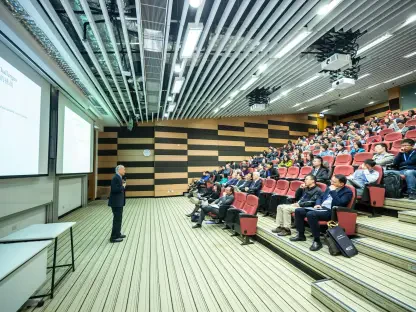
At the heart of the Wiki Classroom Initiative is a hands-on, intensive two-day training program that provides students with a practical and comprehensive toolkit for effective digital citizenship. The curriculum was carefully structured to move beyond theoretical knowledge, immersing participants in the practical application of digital tools and principles. A core focus was on demystifying and navigating the intricate Wikimedia ecosystem, which extends beyond the well-known Wikipedia to include vital sister projects such as Wikimedia Commons for media files and Wikidata for structured data. Students engaged in interactive sessions that taught them the essential skills of conducting credible online research, critically evaluating the reliability of sources, and adhering to the strict verifiability standards required for contribution. This immersive learning experience was designed to equip them not just with technical know-how but with the critical thinking necessary to become discerning and impactful digital contributors.
A central pillar of the curriculum is dedicated to arming students against the pervasive threat of misinformation and disinformation, a skill of paramount importance in the modern digital age. The training emphasized the principles of digital responsibility, teaching students how to identify biased or false narratives and how to contribute well-researched, factual information as a corrective measure. By instilling these values, the initiative aims to cultivate a generation of digital citizens who can act as a bulwark against the spread of inaccuracies about their communities and continent. This dual focus on content creation and content verification connects the students’ personal development directly to the larger societal goal of fostering a more informed global discourse. The skills they acquire are thus positioned as tools for both academic and professional advancement and as instruments for promoting a more truthful and nuanced portrayal of Africa’s history, culture, and ongoing innovations on the world stage.
The Ripple Effect Personal and Continental Impact
Voices of the New Generation
The most compelling evidence of the program’s success can be found in the immediate and enthusiastic responses from the student participants, whose testimonials reveal a profound shift in perspective and purpose. The training sessions successfully ignited a sense of agency and responsibility among the youth. For instance, 15-year-old Ifunanya Okafor articulated a newfound passion for leveraging her digital skills to actively promote her cultural identity and serve as a front-line defender against the spread of online misinformation. Similarly, fellow student Chidebe Chidera Henry demonstrated a clear grasp of the initiative’s broader mission, recognizing the urgent necessity for Africans to become the primary authors and custodians of their own stories. His feedback underscored not only an understanding of the collective goal but also an appreciation for the significant personal development opportunities the program offered, from enhancing research skills to building a global network.
The initiative’s curriculum was expertly crafted to resonate on a personal level, successfully connecting the act of digital contribution to tangible and aspirational life benefits. Organizers highlighted how active participation in the Wikimedia community opens doors to valuable opportunities, including academic scholarships, global exposure through international conferences, and extensive networking with a diverse community of volunteers and experts. By framing content creation as a pathway to personal and professional growth, the program fostered a deep and intrinsic motivation among the students. This approach is crucial for cultivating a sustainable and committed community of young African contributors. The understanding that their efforts to decolonize the digital information space also fuel their own development creates a powerful, self-reinforcing cycle that promises long-term engagement and impact on both an individual and a continental scale.
Planting Seeds for a Digital Future
The overwhelming success of the inaugural program, held at Redeemers International High School and St. Patrick’s College, has fueled ambitious plans for the initiative’s future. Buoyed by the positive reception from students, educators, and the community, organizers are now looking toward a strategic expansion. The long-term vision is to systematically roll out the Wiki Classroom Initiative to a wider network of schools, first across Anambra State and subsequently to other regions throughout Nigeria, with the ultimate objective of empowering thousands more students. This planned growth is buttressed by a robust foundation of support from key figures and sponsors, including project developers Richard Edozie and Kolawole Oyewole of Africa & Proud, as well as a dedicated corps of experienced local Wikimedia trainers. This strong coalition of community and expert backing provides the necessary momentum for the initiative to scale its impact, nurturing a new and expanded cohort of digital storytellers poised to amplify Africa’s voice on the world’s most prominent knowledge platforms.
The debut of the Wiki Classroom Initiative in Awka marked a significant and promising development in the ongoing effort to reshape Africa’s digital identity. Its successful execution demonstrated the profound potential that emerged when strategic educational programming met the untapped enthusiasm of young, motivated students. The two-day event was more than a training session; it was the successful implementation of a model that fused practical digital literacy with a compelling mission of cultural preservation and authentic representation. The initiative proved that by equipping young Africans with the right tools, skills, and a clear sense of purpose, it was possible to catalyze a foundational shift in how the continent’s stories were curated and shared with the world. The positive outcomes and engaged feedback established a powerful and replicable blueprint for future endeavors, solidifying the program’s role as a vital step in fostering a more equitable and representative global digital conversation.