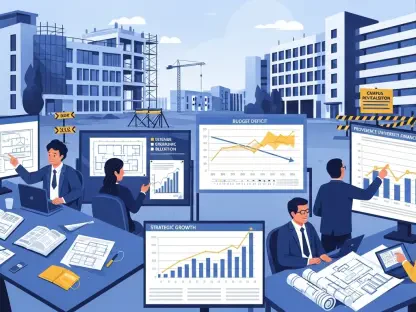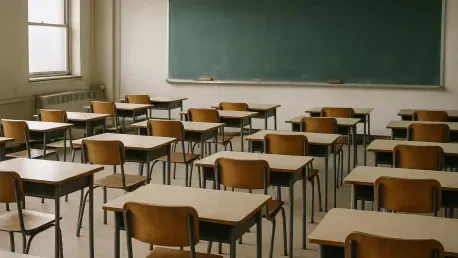

Confronting a staggering nationwide deficit of 165,000 classrooms that threatens the quality of education for millions, the Department of Education has embarked on an innovative and pragmatic strategy to alleviate severe school congestion. The agency recently unveiled its first-ever Classroom Leasing Initiative, a medium-term program designed to provide immediate relief for overburdened public schools. This plan aims to bridge the critical infrastructure gap over the next one to five years by leasing, refurbishing, and repurposing facilities from private schools that are no longer operational. The initiative leverages the unfortunate reality that an estimated 700 to 800 private institutions ceased operations during the COVID-19 pandemic, creating a pool of vacant properties ready for adaptation. This approach serves as a crucial stopgap, allowing the department to create functional learning environments within months, a stark contrast to the five to ten years required to build new schools from the ground up and address the existing backlog.
A Pragmatic Approach to an Urgent Crisis
The official launch of the program in Pila, Laguna—the country’s third most congested province—vividly illustrates the initiative’s practical application. A nearby closed private school was leased to accommodate students from a public high school grappling with extreme overcrowding, providing immediate relief and preventing potential student displacement. Education Secretary Edgardo M. Angara emphasized that leasing is a particularly cost-efficient and sensible solution, especially in densely populated areas where land for new construction is either prohibitively expensive or simply unavailable. By repurposing existing structures, the department sidesteps the lengthy and complex processes of land acquisition and new construction. This strategy not only offers a rapid deployment of classroom space but also represents a fiscally responsible use of resources, redirecting funds from long-term capital outlay to immediate operational needs, ensuring that students have access to safe and conducive learning environments without delay.
The urgency driving this initiative was underscored by alarming data from the Second Congressional Commission on Education (EDCOM II), which warned that the current 165,000-classroom gap was at risk of expanding significantly. A critical factor compounding the shortage was the deteriorating condition of existing infrastructure, with thousands of school buildings already past their intended design lifespan and in need of major repairs or replacement. In this context, the Classroom Leasing Initiative was not merely an alternative to construction but a vital intervention to prevent a worsening crisis. The department’s decision to lease shuttered private schools provided a timely and scalable solution that directly addressed the twin pressures of rising enrollment and aging facilities. This strategic move offered a crucial buffer, buying valuable time for the government to plan and execute the long-term, large-scale construction projects necessary to build a resilient and modern educational infrastructure for the future.