
As the Forest High School community closes a significant chapter with the farewell to its historic 1961 campus, a new era of educational excellence is dawning with the opening of a state-of-the-art facility on February 2. This monumental transition represents more than just a change of address; it is a pivotal moment that thoughtfully blends nostalgic reverence for a cherished past with an enthusiastic and forward-looking embrace of a future brimming with enhanced opportunities. The move to 189 Allambie Road is not merely the construction of a new building but the foundation of a new legacy for students, educators, and the wider Frenchs Forest community, signaling a profound investment in the next generation. This development is positioned as a cornerstone in the area’s broader revitalization, promising an educational environment that meets the high expectations and evolving needs of its vibrant community.
A Legacy of Memories and Milestones
The final days at the old campus in December 2025 were steeped in a palpable sense of bittersweet nostalgia, as staff and students took time to reflect on the institution’s long and storied history. Principal Nathan Lawler shared poignant memories of the “everyday routines” that gave the school its unique character, from the distant sounds of the school band rehearsing to the creative energy of music classes filtering down into his office. These seemingly small moments, he explained, collectively wove the rich tapestry of the school’s atmosphere, creating a sense of place that will be fondly remembered. This sentiment was deeply shared by the student body, who saw the old grounds not just as a place of learning but as the backdrop for formative experiences and lasting friendships. The collective mood was one of gratitude for the past, acknowledging the countless lives shaped within its walls while preparing to carry its spirit forward.
This reflective atmosphere was further enriched by the personal stories of student leaders, who articulated the profound impact the school had on their personal and academic journeys. School Captain Isobel Pacholski, a student since Year 7, spoke candidly about growing fond of the familiar quirks and charms of the old site. She recalled landmark events such as the annual Festival of Lights and various school musicals, which were not just extracurricular activities but community-building traditions that defined the student experience. Similarly, Vice-Captain James Dry highlighted his positive experiences with team sports, emphasizing how the fields and courts were arenas for learning valuable lessons in teamwork, discipline, and perseverance. Their recollections painted a vivid picture of a school that fostered a strong sense of belonging and provided a supportive environment where students could explore their passions, build confidence, and forge lifelong bonds, creating a legacy that transcends physical infrastructure.
A Vision for an Empowered Future
Despite the powerful pull of nostalgia, the overwhelming sentiment throughout the school community is one of palpable excitement and optimistic anticipation for the future. The new campus is consistently described as “amazing” and “state-of-the-art,” representing a quantum leap in educational facilities that will empower both current and future generations of students. James Dry eagerly pointed to the modern sports facilities and technologically advanced classrooms as a source of “so many opportunities,” viewing the move not as an ending but as the beginning of a new chapter filled with untapped potential for achievement and innovation. This perspective is widely shared, with many seeing the new school as an environment where the physical infrastructure will finally align with the high caliber of student talent and dedication, providing the tools necessary for them to excel in an increasingly competitive world.
The transition is widely perceived as a pivotal moment where the school’s facilities will finally “match the effort” and ambition of its students, a sentiment strongly articulated by both staff and student leaders. Isobel Pacholski emphasized how the new purpose-built performance spaces, including dedicated dance studios and a professional-grade theater, will be transformative for students in the arts. These modern amenities will allow them to hone their craft, stage more ambitious productions, and better prepare for careers in creative industries. Principal Lawler echoed this view, explaining that the upgraded infrastructure is a direct investment in student potential. He cited the new theater as a prime example of how the school will now be able to provide a platform that truly reflects the quality and professionalism of student performances, fostering an environment where talent can be nurtured and celebrated on a grander scale.
The Dawn of a New Educational Landscape
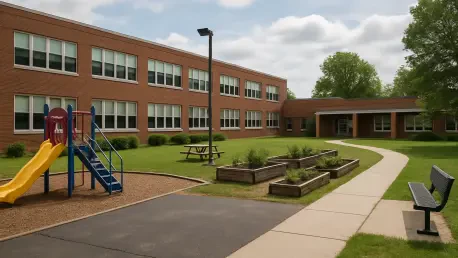
Designed with a forward-thinking vision to accommodate up to 1,500 students, the new Forest High School campus stands as a landmark investment in public education and community development. The facility is equipped with 73 modern, flexible classrooms and three specialized Special Support Units, all designed to support contemporary teaching and learning methodologies. At the heart of its academic core are a new, expansive library and updated administration and canteen spaces that create a welcoming and efficient central hub. Beyond the classroom, the school boasts an impressive multi-purpose hall that can be configured for a wide range of sports and large-scale performances, complemented by new outdoor sports courts and a state-of-the-art gymnasium. The campus environment has also been carefully considered, featuring beautifully landscaped recreation areas and dedicated outdoor learning spaces that encourage a connection with nature and provide alternative settings for instruction and collaboration.
Accessibility and sustainability were key principles guiding the campus design, ensuring a welcoming and inclusive environment for all. A continuous, accessible circulation path seamlessly links all campus buildings, providing easy navigation for individuals with mobility challenges. The project also demonstrates a strong commitment to sustainable transport, with the inclusion of over 180 secure parking spaces for bicycles and scooters, actively encouraging students and staff to adopt greener commuting habits. The initial designs for this ambitious project were first revealed in December 2021, and after a period of diligent construction, the main structures were nearing completion by December 2025. The final stages of the project, including detailed internal fit-outs, extensive landscaping, and the completion of boundary work, proceeded on schedule, ensuring the campus was ready to welcome students for the start of the new school year.
Navigating the Path to Progress
The journey from architectural renderings to a fully realized campus was not without its complexities and challenges, requiring careful management and community consultation. Throughout the multi-year construction process, environmental management emerged as a significant concern, with issues raised regarding sediment runoff from the construction site. Reports indicated that on at least one occasion, this runoff had the potential to impact downhill creeks and contribute to pollution in the nearby Manly Dam, prompting a closer watch on environmental safeguards. In addition to environmental oversight, the project also underwent several crucial modifications to its State Significant Development Application (SSD) to ensure a timely and successful opening. These adjustments were critical for navigating logistical hurdles and minimizing disruption to the surrounding community, demonstrating a flexible and responsive approach to project management.
Two key modifications to the development plan were instrumental in keeping the project on track for its scheduled February opening. The first approved modification allowed for the public domain works to be split into two distinct stages. This strategic decision was vital, as it permitted the school to open on time with interim arrangements in place for safe pedestrian access, temporary bus stops, and a functional “kiss and drop” zone for parents. A second modification proposed retaining and upgrading the existing roundabout at the intersection of Aquatic Drive and Allambie Road, rather than replacing it with a more disruptive signalized intersection. This change was submitted based on traffic analysis suggesting it would achieve equivalent or superior traffic flow outcomes with a significantly shorter construction timeline and less inconvenience for local residents, reflecting a pragmatic approach to infrastructure development.
A New Era of Community Integration
The relocation of Forest High School was a catalyst for significant administrative adjustments that will reshape the educational landscape across the northern beaches, from Manly to Warringah. A comprehensive revision of school intake areas, effective from the start of the new school year, was undertaken through a thorough consultative process. The primary goal of these changes was to create a more logical alignment between primary and high school catchments, a move designed to allow a greater number of students to transition to secondary education alongside their peers, strengthening social cohorts and easing the transition for young learners. Recognizing the potential for family concern, the administration proactively addressed key questions, offering clear assurances that all currently enrolled students could remain at the school. Furthermore, a sibling entitlement policy was confirmed, ensuring that younger siblings of current students will also be eligible to enroll, even if their home address falls outside the newly drawn intake boundaries.
With the first day of school on February 2 fast approaching, meticulous logistical planning has been undertaken to ensure a smooth and orderly transition for the entire school community. To facilitate student travel to the new campus, Transport for NSW scheduled a comprehensive update to its Trip Planner in mid-January, incorporating all new and revised bus routes. In addition, a dedicated fact sheet outlining all available bus services was created and distributed to families, providing clear and accessible information to help them plan their new commutes. The monumental task of relocating all equipment, educational resources, and administrative materials from the old campus to the new one was strategically planned to occur during the summer holiday period. This timing was intentionally chosen to minimize any disruption to school operations, ensuring that teachers and students could begin the academic year in their new, modern facility without delay, fully prepared for a new chapter of teaching and learning. The successful coordination of these efforts reflected a commitment to a seamless opening that prioritized student and staff well-being.