
Imagine a university, renowned for its research and academic excellence, forced to pay millions and alter its core policies just to keep its federal funding intact. This is the reality Northwestern University faced in 2024 when it struck a controversial $75 million deal with the Trump administration to restore $790 million in research grants. The agreement, laden with financial penalties and policy shifts, has sparked heated debates across higher education circles. What does this mean for academic freedom, federal influence, and the future of universities? This roundup gathers diverse perspectives from stakeholders, policymakers, and academic commentators to unpack the implications of this landmark deal, offering a broad spectrum of insights into its impact on campus culture and institutional autonomy.
Unpacking the Agreement: Context and Controversy
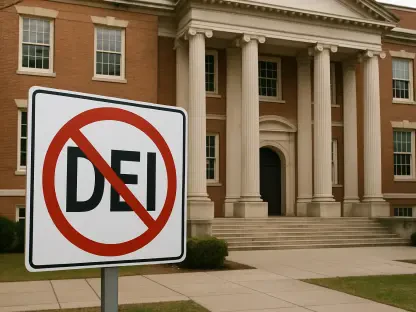
The deal between Northwestern University and the Trump administration emerged from a funding freeze initiated in April 2024, stemming from allegations of insufficient protection for Jewish students against antisemitism. The freeze cost the university a staggering $40 million monthly, pushing it into a corner where agreeing to a $75 million payment over three years and significant policy changes became the only viable option. The agreement reinstated nearly $790 million in federal research funding but at the cost of adopting stricter protest rules, ending diversity statements in hiring, and aligning with federally defined notions of sex and gender. This backdrop sets the stage for a chorus of opinions on whether this compromise signals a dangerous precedent for academia.
Beyond the financial aspects, the timing of this agreement amplifies its significance. With universities already grappling with budget constraints and political pressures, the decision to comply with federal demands has raised eyebrows among academic leaders. Many see this as a test case for how far government influence can stretch into university affairs. As the ripple effects of this deal unfold, it becomes crucial to explore the varied lenses through which educators, students, and policymakers view this intersection of money, power, and principle.
Diverse Perspectives on Financial Leverage and Ethics
Financial Pressures and Federal Tactics
Across the academic landscape, there’s a consensus that financial dependency on federal grants played a pivotal role in Northwestern’s decision. Commentators from research institutions highlight how the monthly loss of millions in funding threatened not just current projects but also faculty retention and student opportunities. Some university administrators argue that compliance, while bitter, was a pragmatic move to safeguard essential operations. The fear of prolonged litigation or further funding cuts loomed large, painting a picture of an institution with few alternatives but to acquiesce.
However, not all voices agree on the ethics of this approach. Civic leaders and policy critics have labeled the federal strategy as coercive, with some going as far as to call it a form of fiscal blackmail. They contend that using research funding as a bargaining chip undermines the integrity of higher education, turning universities into pawns in political games. This perspective underscores a growing unease about the vulnerability of academic institutions when their financial lifelines are held hostage.
Moreover, analysts from think tanks focused on education policy suggest that this deal reveals a deeper flaw in how universities are funded. They argue that over-reliance on federal money leaves institutions susceptible to such pressures, urging a shift toward diversified revenue streams. This opinion opens up a broader conversation about whether financial independence could be the key to preserving academic autonomy in the face of government overreach.
Policy Changes and Campus Culture Impacts
When it comes to the policy concessions Northwestern made, reactions are sharply divided. Faculty members and student advocates express alarm over changes like the elimination of diversity statements in hiring and the imposition of stricter protest regulations. Many argue that these shifts stifle inclusivity and free expression, core tenets of university life. The termination of agreements with pro-Palestinian protesters, for instance, has been cited as a direct blow to student activism and dialogue on campus.
In contrast, some conservative commentators view these policy adjustments as a return to merit-based practices and order on campus. They argue that curbing what they see as ideologically driven hiring criteria and unchecked protests could refocus universities on academic excellence over political agendas. This stance, though, is met with skepticism by those who believe such changes merely align universities with specific political ideologies rather than fostering neutrality.
Adding nuance to the debate, a segment of academic observers points out the potential long-term effects on campus climate. They worry that adopting federal definitions of sex and gender, alongside restrictions on gender-affirming care policies, could alienate marginalized groups and hinder diversity, equity, and inclusion efforts. This perspective emphasizes the need for universities to find ways to comply with federal mandates without sacrificing their commitment to supporting all students and staff.
Federal-University Dynamics: A Wider Trend
Looking at the bigger picture, many education policy analysts note that Northwestern’s agreement is not an isolated incident but part of a broader pattern. Reports indicate that at least five other universities, including Columbia and Brown, have entered similar deals under comparable federal pressure. This trend has prompted discussions about a systematic push to reshape university policies through financial leverage, raising questions about the sustainability of such influence over time.
Interestingly, regional differences in institutional responses add another layer to this narrative. While some universities have complied, others, like Harvard, have successfully challenged federal actions through legal avenues, securing victories against funding freezes. Academic commentators highlight this divergence as evidence that resistance is possible, though it often requires substantial resources and resolve. This split in strategy fuels debates on whether compliance offers stability or merely invites further interference.
A recurring concern among higher education advocates is the precedent these agreements set. They argue that if federal oversight continues to expand unchecked, universities risk losing the independence that allows them to innovate and critique societal norms. This viewpoint calls for a collective reevaluation of how institutions engage with government entities, pushing for clearer boundaries to protect academic freedom from political whims.
Ideological Clashes and Stakeholder Views
The ideological underpinnings of this deal have not gone unnoticed, with opinions split along predictable lines. Supporters of the Trump administration’s stance, including some legal and policy figures, frame the agreement as a necessary step to enforce civil rights and ensure accountability on campuses. They argue that protecting vulnerable student groups, such as Jewish students, justifies the federal interventions and policy mandates seen in the deal.
On the flip side, critics from progressive circles and student organizations decry what they see as an assault on academic freedom. They contend that prioritizing funding over student interests—evident in the rollback of diversity initiatives and protest rights—betrays the university’s mission. This criticism often centers on the belief that such deals force institutions to align with specific political agendas, eroding their role as neutral grounds for debate and learning.
Somewhere in the middle, a few university leaders and neutral observers suggest that Northwestern’s attempt to balance compliance with limited support for marginalized communities reflects a tightrope walk. They note that while some pre-existing programs for at-risk scholars persist, the broader policy shifts signal a troubling compromise. This balanced view raises critical questions about how future debates on campus policies will unfold under similar federal scrutiny.
Key Takeaways from the Debate
Reflecting on the array of perspectives, several key insights stand out. The overwhelming power of financial leverage in shaping university decisions is undeniable, with many agreeing that Northwestern’s hand was forced by economic necessity. Additionally, the ideological reshaping of campus policies through federal mandates reveals a deeper struggle over who defines the values of higher education. These points of contention highlight the precarious balance institutions must strike in today’s politically charged environment.
Beyond the immediate fallout, there’s a shared call among commentators for actionable steps to shield academia from such pressures. Diversifying funding sources emerges as a popular recommendation, alongside stronger legal frameworks to defend institutional autonomy. Some also advocate for university leaders and students to engage more proactively with federal policies, ensuring that core values like free expression and inclusivity remain non-negotiable.
Another lesson echoed across opinions is the importance of dialogue between stakeholders. Faculty, students, and administrators are urged to work collaboratively to navigate these challenges, potentially forming coalitions to resist undue influence. This collective approach could serve as a buffer against future encroachments, reinforcing the idea that unity within academia is a powerful tool for maintaining independence.
Reflecting on the Path Ahead
Looking back, the discussions surrounding Northwestern’s $75 million deal with the Trump administration revealed a profound tension between financial survival and academic integrity. The varied voices—from university administrators to policy critics and student advocates—painted a complex picture of compromise and resistance. As these debates unfolded, they shed light on the vulnerabilities of higher education under federal scrutiny.
Moving forward, universities might consider building stronger alliances with private donors and industry partners to reduce reliance on government grants. Exploring legal protections against funding freezes could also empower institutions to stand firm on their principles. For students and faculty, organizing forums to voice concerns and influence policy decisions remains a vital step. These actions, inspired by the insights gathered, offer a roadmap for safeguarding the essence of academia in an era of mounting external pressures.