
The foundation of South Africa’s public education system is trembling under the weight of an impending demographic shift and widespread professional burnout, threatening to trigger a large-scale departure of its most experienced educators. Projections paint a stark picture: by 2030, the country stands to lose nearly half of its current public school teachers to a combination of retirement and premature resignation. This looming crisis is not a distant threat but an accelerating reality, fueled by an aging workforce where 50% of all educators are over the age of 50 and rapidly approaching the standard retirement bracket of 55 to 60. The exodus is compounded by a growing wave of dissatisfaction among the remaining teachers, pushing thousands to abandon their careers early. This dual pressure of natural attrition and systemic disillusionment is creating a vacuum that the nation is ill-prepared to fill, posing a direct threat to educational quality and stability for millions of students across the country.
The Driving Forces Behind the Departures
The crisis is rooted in a demographic time bomb that has been ticking for years within the public education sector. With a significant portion of the teaching workforce nearing retirement, a mass exodus is not a matter of if, but when. This predictable wave of departures forms the bedrock of the current challenge, representing a substantial loss of institutional knowledge and classroom experience. The sheer scale of this retirement trend is staggering, set to strip schools of their veteran educators in a concentrated period over the next five years. This natural turnover, while expected, is happening at a pace that far exceeds the system’s capacity to replace these professionals. The structural issue of an aging workforce means that even without other complicating factors, the education system would be facing a significant human resources deficit. This foundational problem sets the stage for a much deeper crisis, as it is exacerbated by other, more preventable, drivers of teacher attrition that are pushing even younger educators out of the profession.
However, the challenge extends far beyond the predictable cycle of retirement, as it is dangerously amplified by a high rate of premature resignations. Over the last five years alone, approximately 32,000 educators have left the system, with a startling 20,992 of those departures classified as resignations rather than retirements. This points to deep-seated and systemic issues pushing teachers out of the profession long before they reach the natural end of their careers. A comprehensive 2024 study from Stellenbosch University uncovered the alarming reality that 50% of the current workforce is so dissatisfied that they are actively considering leaving before 2035. The primary grievances cited are not minor complaints but fundamental challenges to their professional well-being. An overwhelming workload was identified as a key factor by 35% of teachers, followed closely by inadequate remuneration at 34% and the burdensome weight of excessive marking and paperwork at 33%. These factors combine to create a toxic professional environment where educators feel undervalued, overworked, and unsupported.
A System Under Unprecedented Strain
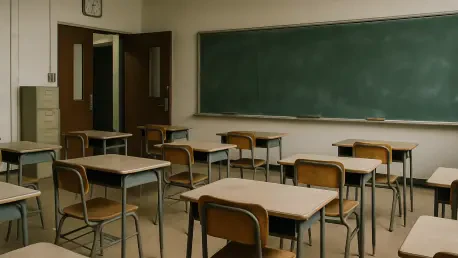
The direct and immediate consequence of this teacher drain is a dramatic and unsustainable increase in class sizes, which in turn places immense pressure on the educators who remain. This trend creates a destructive feedback loop: as more teachers leave, the student-to-teacher ratio worsens, leading to overcrowded classrooms that further diminish the quality of education and intensify the burnout experienced by the remaining staff. This cycle of escalating pressure drives even more educators to resign, perpetuating the crisis. Data has already captured this alarming trend, with the percentage of Grade 5 students learning in classrooms with over 50 pupils more than doubling from 16% to 34% between 2015 and 2019. Educators on the ground report that it is now commonplace to manage classes of 50 to 60 learners, a stark and challenging contrast to the government’s recommended student-to-teacher ratio of approximately 29 to one. Such conditions make individualized attention impossible and transform classrooms into spaces of crowd control rather than effective learning.
Ultimately, navigating this crisis demanded a monumental effort just to maintain the status quo, let alone improve it. To merely offset the wave of retirements and resignations without further degrading the student-to-teacher ratio, the nation was faced with the daunting task of doubling its annual output of new teacher graduates. The required number of graduates needed to increase from roughly 30,540 in 2020 to a projected 59,034 by 2030. It became clear that simply increasing the supply of new teachers was not a sustainable solution on its own. The core issues driving experienced educators out of the profession—such as unmanageable workloads, insufficient pay, and overwhelming administrative burdens—had to be addressed. Without significant structural reforms aimed at improving working conditions and making the teaching profession more attractive and sustainable, the country risked pouring new graduates into a system that was fundamentally broken, perpetuating the cycle of burnout and attrition for a new generation of educators.