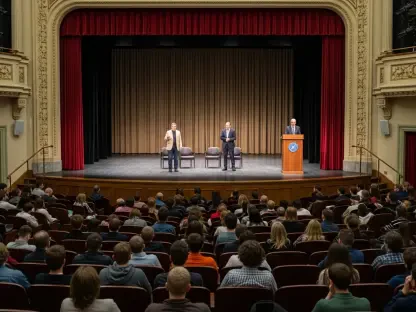

In a decisive move to address the escalating pressures on its educators, the Singapore Ministry of Education has embarked on a comprehensive, nationwide initiative aimed at significantly reducing teacher workload and enhancing overall well-being. Education Minister Desmond Lee has affirmed that this remains a principal focus, signaling a sustained commitment to systemic changes that will reshape the profession for the better. The multifaceted strategy involves recalibrating policies to protect personal time, streamlining administrative burdens that have long diverted attention from students, integrating supportive technologies to boost efficiency, and embedding robust mental health resources within the school system. This holistic approach is designed to empower teachers, allowing them to dedicate their energy to their fundamental mission: educating and nurturing the next generation.
A System-Wide Overhaul
Redefining the Teaching Profession
The foundation of this transformation is a strategic “rethinking” of the teaching profession itself, an initiative that moves far beyond superficial adjustments to fundamentally re-evaluate the core duties and daily processes of educators. Guided by the recommendations of a dedicated Ministry of Education (MOE) task force, this effort stems from a direct acknowledgment of candid feedback from teachers regarding the increasing complexities and demands of their roles. The overarching trend is a deliberate pivot away from a system where educators are frequently encumbered by a wide range of peripheral responsibilities. Instead, the new model actively supports and streamlines their primary functions. This represents a deep commitment to not only listen to the concerns of those on the front lines but to translate that feedback into meaningful, structural reform that honors their dedication and prioritizes their ability to make the greatest impact in the classroom. This re-evaluation is about creating a more sustainable and fulfilling career path for one of the nation’s most vital professions.
Central to the success of this large-scale re-evaluation are the school leaders, who have been identified as the key agents of change within their respective institutions. The ministry has tasked them with the critical responsibility of driving this transformation at the ground level. This involves a clear mandate to meticulously review and identify the most essential priorities within their schools, ensuring that time and resources are allocated to activities that directly benefit student learning and development. A significant part of their role is to actively simplify complex administrative procedures and to critically rationalize existing school programs, with the goal of eliminating tasks and events that place an unnecessary burden on staff without adding significant educational value. This decentralized approach empowers principals and department heads to tailor solutions to their unique school environments, fostering a culture where efficiency and well-being are not just top-down directives but are woven into the daily operational fabric of the school, ultimately creating a more supportive and productive environment for all educators.
Slashing Administrative Red Tape
A significant and highly targeted area of focus within the broader initiative is the aggressive reduction of administrative tasks, which have historically been a primary source of teacher burnout and a major drain on their time. The MOE is specifically addressing the cumbersome and often complex procurement processes that teachers must navigate. This involves a thorough overhaul of the considerable paperwork and intricate, multi-layered approval workflows associated with purchasing essential teaching materials and engaging external vendors for specialized programs. The explicit goal of this measure is to dismantle these bureaucratic hurdles, thereby freeing up a substantial amount of valuable time and, just as importantly, mental energy for educators. By simplifying these necessary but non-pedagogical duties, the ministry aims to redirect teachers’ focus and creativity back toward their core mission of instructional design, classroom engagement, and direct student interaction, reflecting a clear understanding that administrative efficiency is intrinsically linked to teaching effectiveness and overall job satisfaction.
The streamlining of administrative duties is positioned as a strategic investment in the educational system’s most valuable asset: its teachers. By systematically stripping away inefficient procedures, the initiative aims to produce a profound ripple effect that extends well beyond mere time savings. When educators are less bogged down by paperwork and logistical coordination, they have greater capacity for professional growth, collaborative planning with colleagues, and personalized student support. This liberation from administrative overload is expected to foster a more innovative and dynamic teaching environment, where educators feel empowered to experiment with new pedagogical approaches. Ultimately, this reform acknowledges that a teacher’s cognitive and emotional resources are finite. By ensuring these resources are not depleted by bureaucratic red tape, the ministry is not only improving the daily working conditions of its staff but is also making a direct investment in the quality of education that every student in Singapore receives, creating a more resilient and effective teaching force.
Modern Solutions for a Better Work-Life
Structural Changes for Personal Time
To cultivate a healthier and more sustainable work-life balance, the MOE has moved to formally institutionalize a range of flexible work arrangements designed to meet the diverse personal and family needs of its teaching staff. These are not informal understandings but are now structured policy options available to educators. The practical arrangements include the ability for teachers to have a later reporting time on days when they do not have morning classes, providing valuable flexibility for personal appointments or family responsibilities. Furthermore, teachers are permitted to work from home on days when they are not scheduled for in-person lessons or other on-site duties, allowing for focused, uninterrupted time for tasks like lesson planning and marking. This formal recognition of flexibility represents a significant cultural shift, moving away from a rigid, one-size-fits-all model toward a more modern, trust-based approach that respects teachers as professionals who can manage their time and responsibilities effectively, both inside and outside the school.
In conjunction with offering greater flexibility, the ministry has taken firm steps to protect the personal time and private boundaries of its educators. Refreshed and reinforced guidelines have been issued to discourage communication between parents and school staff outside of official working hours, with contact limited strictly to critical emergencies. This directly confronts a common source of stress, as teachers have often felt pressured to be available around the clock, with some reporting parents contacting them on their personal mobile numbers late at night. To further support this, school leaders are provided with clear guidance on ensuring fair and equitable workload allocation, which takes into account individual teachers’ unique strengths, preferences, and existing responsibilities. Complementing these measures is the guarantee of six to seven weeks of protected vacation time annually for all teachers, with an option for extension, ensuring they have adequate, uninterrupted periods for rest, travel, and personal rejuvenation, which is essential for preventing long-term burnout.
Integrating AI as a Teacher’s Assistant
The strategic integration of technology, particularly purpose-built artificial intelligence tools, has emerged as a powerful component of the ministry’s effort to enhance teacher efficiency without adding a new layer of complexity. These technological solutions are being carefully developed and refined to function as supportive assistants, designed to automate and simplify repetitive tasks rather than create an additional technological burden. A prime example is the “Authoring Copilot,” an AI-driven lesson-planning tool that has been upgraded to do more than just generate basic plans. It can now automatically create a suite of complementary resources, including interactive classroom content, relevant images, and even educational games, a process that can significantly reduce the hours teachers spend on preparation. This approach leverages AI to handle the time-consuming, structural aspects of lesson design, freeing educators to focus on the more nuanced, creative, and human elements of teaching, such as tailoring content to student needs and fostering a dynamic classroom environment.
Further expanding the technological support system, the MOE has introduced several other specialized AI tools to address specific pain points in a teacher’s daily workflow. The “Learning Assistant” is designed to support classroom management during live group discussions, where it can monitor and facilitate interactions across multiple small groups simultaneously. This allows the teacher to move away from general supervision and instead devote focused, high-quality attention to specific groups that require more intensive guidance or intervention. To ease the burden of administrative writing, an AI tool has been deployed to help draft structured but time-consuming student testimonials. In another practical application, the “HeyTalia” AI assistant aids teachers in composing and sending routine messages to parents, streamlining a crucial but often lengthy communication task. The ministry recognizes that adopting these new technologies involves an initial learning curve and is therefore committed to providing comprehensive support through accessible resources, hands-on workshops, and self-help modules to ensure a smooth and effective transition for all educators.
Fostering a Culture of Well-Being
Alongside the systemic and technological reforms, a powerful emphasis has been placed on proactively cultivating the mental and emotional well-being of all educators. Schools have been directed to establish dedicated staff well-being committees, which are tasked with the crucial responsibility of looking after the holistic health of their colleagues. These committees serve as a vital first line of support, creating and nurturing peer support networks where staff can share experiences and offer encouragement in a safe and understanding environment. They are also responsible for curating and disseminating resources for self-care, promoting healthy coping mechanisms, and organizing activities that build morale and reduce stress within the school community. For educators who may be facing more acute or persistent challenges, the MOE provides direct access to a team of in-house professional counselors, offering a confidential and professional avenue for support that is readily available and tailored to the unique pressures of the teaching profession.
The real-world efficacy of these multi-pronged initiatives was powerfully illustrated through the experiences of veteran teachers. Madam Pang Yu-Ming, an educator with 13 years of experience, recounted how her professional life had been transformed. She contrasted her earlier career, which was marked by draining 11-hour days filled with administrative overload and frequent after-hours calls from parents, with her current situation. A part-time work arrangement, which featured flexible reporting times and an exemption from co-curricular activities, had enabled her to achieve a sustainable balance between her demanding career and caring for her three children, leading to a marked improvement in her mental well-being. This positive change was further amplified by a simple yet effective practice from her principal, who consolidated all weekly announcements into a single concise email, significantly reducing digital clutter and improving her ability to manage her time effectively. This synthesis of high-level policy and thoughtful school-level leadership demonstrated that meaningful improvement was not just a theoretical goal but an achievable reality.