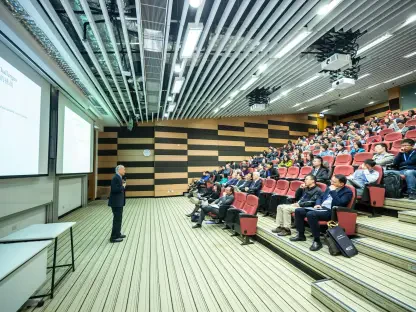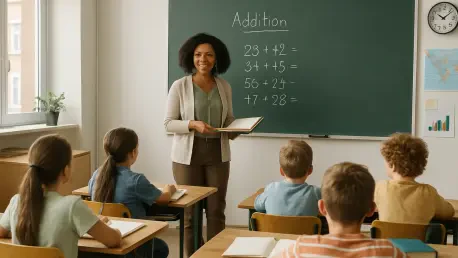

Imagine a high school classroom where students aren’t just memorizing dates or solving equations, but instead are mapping out a plan to address homelessness in their neighborhood. They’re learning to canvass, speak at public meetings, and build coalitions with local groups, all during school hours. This isn’t a distant dream but a pressing necessity in a polarized world where systemic inequalities continue to widen. The traditional education system in the United States, particularly for marginalized and working-class students, often fails to connect classroom lessons to the real challenges these young people face. Apathy and individualism are on the rise, leaving many disconnected from the collective struggles that shape their lives. Schools, trapped in outdated models of rote learning, must transform into dynamic spaces that empower students to drive change. This shift isn’t just beneficial—it’s critical to preparing the next generation to tackle societal issues head-on with purpose and unity.
Confronting Apathy in the Classroom
A troubling sense of detachment pervades many classrooms today, where students often prioritize personal gain over shared concerns. Picture a young Latina student shrugging off discussions about undocumented immigrants’ struggles, or a Black student showing little interest in conversations about historical atrocities, focusing instead on individual financial success. These attitudes aren’t mere personal choices; they reflect a deeper failure of an education system that doesn’t encourage students to see themselves as part of a broader community. Standardized tests and rigid curricula dominate, leaving little room for lessons on empathy or collective responsibility. The result is a generation that feels disconnected from the very issues that impact their lives most directly. Without a framework to understand and engage with systemic challenges, students are left to navigate a complex world with tools that feel irrelevant, fostering indifference where passion and action are desperately needed.
Moreover, this apathy isn’t just a student problem—it’s a systemic one that schools have the power to address. Educators observe firsthand how the current model fails to inspire young minds to care about anything beyond their immediate sphere. The factory-style approach, with its emphasis on uniformity and compliance, stifles the curiosity and solidarity that could drive meaningful engagement. Instead of nurturing a sense of belonging to a larger struggle, schools often reinforce isolation by rewarding individual achievement over communal effort. Transforming this dynamic requires a bold shift in priorities, where education isn’t about passing tests but about building connections to real-world issues. By embedding lessons on community and mutual support into the daily fabric of learning, schools can help students break free from the cycle of disconnection and begin to see their role in shaping a better future for all.
Learning from History’s Blueprint of Unity
History offers a powerful reminder that real progress for marginalized groups has rarely come from solo efforts but from unified, collective action. Think of the labor movements that secured workers’ rights or the civil rights campaigns that dismantled legal segregation—these victories were born from organizing and mutual aid, not isolated ambition. Yet, today’s educational structures largely ignore this legacy, sticking to lesson plans that seldom bridge the gap between past triumphs and present struggles. Students learn about historical events in a vacuum, without guidance on how those lessons of solidarity can apply to their own lives. This disconnect leaves them unprepared to confront the systemic barriers they encounter daily, perpetuating a sense of powerlessness. Schools must draw from history’s playbook, teaching that change isn’t a solo journey but a communal effort rooted in shared purpose.
Furthermore, integrating these historical lessons into education isn’t just about recounting the past—it’s about equipping students with a roadmap for action in the present. Imagine classrooms where young people study not just the outcomes of past movements but the strategies behind them: how communities mobilized, built alliances, and sustained momentum. Such an approach would show that progress is possible even in the face of daunting odds, countering the disillusionment that often grips students when they step outside school walls into unchanged realities. By framing history as a living tool for organizing, schools can inspire a shift from passive learning to active participation. This isn’t merely about adding a chapter to a textbook; it’s about redefining education as a space where students learn to stand together, recognizing that their strength lies in unity rather than in going it alone.
The Emotional Weight of a Broken System
The shortcomings of the current educational model exact a profound emotional toll on everyone involved, from students to those who teach them. Educators, despite often having access to resources and support, frequently find themselves grappling with despair in a society growing ever more divided. If those with relative privilege struggle to maintain hope, consider the weight carried by students facing harsher realities—poverty, discrimination, and instability. This shared exhaustion isn’t just a personal burden; it’s a signal that the system is failing at its core purpose. Schools should be places of inspiration and empowerment, yet they often become battlegrounds of frustration where neither students nor teachers feel equipped to address the challenges at hand. Acknowledging this emotional strain is the first step toward rethinking how education can serve as a source of resilience rather than depletion.
In addition, this emotional struggle underscores an urgent need for schools to redefine their role in students’ lives. Rather than being mere checkpoints for grades and attendance, educational institutions must become sanctuaries of meaning and action. When students leave class each day only to face the same systemic inequities, the disconnect between learning and reality deepens their sense of futility. Teachers, too, feel this rift as they watch young potential dim under the weight of unaddressed struggles. A reimagined system would prioritize emotional and social support alongside academics, creating environments where collective action offers a path to healing and hope. By fostering spaces where students and educators can channel their frustrations into constructive resistance, schools can transform from sources of stress into catalysts for personal and communal renewal, proving that education can be a lifeline rather than a burden.
Turning Schools into Hubs of Activism
To break free from outdated models, schools must evolve into vibrant centers for social change, where engagement with real issues takes precedence over traditional metrics of success. One compelling approach is partnering with community-based organizations to bring activism directly into the classroom. These groups, often supporting students outside regular hours, could lead workshops, protests, and volunteering initiatives during the school day. This isn’t just about exposure; it’s about accessibility. Many working-class students juggle jobs and family duties after school, leaving little time for extracurricular involvement. By embedding these opportunities within the timetable, education becomes a practical platform for activism, ensuring every student, regardless of circumstance, can participate in shaping their community. Such a shift redefines what school means, making it a place where change isn’t just discussed but actively pursued.
Beyond partnerships, this transformation involves a fundamental rethinking of how schools operate as spaces of resistance. Imagine a curriculum that doesn’t just teach abstract concepts but encourages students to apply them through real-world action—organizing a rally for affordable housing or advocating for local policy changes. This hands-on focus would counter the passivity of traditional learning, showing students that their voices matter in tangible ways. It also acknowledges the diverse challenges they face, ensuring that education feels relevant rather than detached. Schools adopting this model would become incubators for revolutionary thinking, where young people learn to challenge systemic inequities as part of their daily routine. By prioritizing activism over rote tasks, education can ignite a sense of agency, proving that classrooms are not just for absorbing information but for sparking movements that reshape the world outside their walls.
Empowering Through Hands-On Advocacy
Another vital step in redefining education is embracing organizing as a cornerstone of learning, akin to project-based initiatives that prioritize practical skills. Picture students selecting a social issue that resonates with them—perhaps environmental justice or food insecurity—and crafting a detailed plan to address it. They’d learn to canvass neighborhoods, interview stakeholders, and visit impacted areas, building a strategy for change while honing critical thinking and communication abilities. Importantly, evaluation in this model would focus on the journey rather than the end result, rewarding effort and growth over immediate success. This approach ensures that students aren’t deterred by setbacks but are encouraged to see advocacy as a skill worth mastering. It’s a powerful way to make education feel directly tied to their lives, turning abstract lessons into tools for real impact.
Additionally, this hands-on method bridges the gap between theoretical knowledge and lived experience, fostering a deeper connection to societal issues. Unlike traditional assignments that often end up forgotten in a binder, an organizing project has lasting relevance—students might see their efforts influence local policies or inspire peers to join a cause. This tangible outcome can combat the disillusionment many feel when school seems disconnected from reality. Moreover, it teaches resilience and collaboration, as students navigate the complexities of activism together, learning that change often requires sustained, collective effort. Schools that adopt this framework position themselves as launchpads for empowerment, where young people don’t just study the world but actively shape it. By centering advocacy in the learning process, education becomes a dynamic force, equipping students with the confidence and know-how to drive progress in their communities.
Embedding Empathy as a Core Value
To truly transform, schools must weave empathy and collective action into the very fabric of their mission, making these principles non-negotiable parts of the student experience. Envision a system where annual organizing projects are mandatory, with students reflecting on their roles in broader societal challenges through structured exercises. Such practices would cultivate a shared sense of duty, turning schools into intellectual hubs for revolutionary ideas rather than mere conveyors of facts. Additionally, teacher training programs should evolve to include organizing skills alongside subject expertise, preparing educators to guide students in activism with confidence. This comprehensive shift ensures that schools aren’t seen as tedious obligations but as vital arenas for growth and impact, where empathy isn’t an afterthought but a guiding force that shapes every interaction and lesson.
Furthermore, embedding empathy school-wide addresses the root causes of individualism by fostering environments where students learn to value each other’s struggles. Unlike isolated academic pursuits, collective projects—such as campaigning for better school resources or supporting local causes—show young people the power of working together toward a common goal. This approach also helps educators model compassion and engagement, reinforcing that education is about more than personal success; it’s about uplifting entire communities. By prioritizing these values, schools can counteract the disconnection that plagues so many students, replacing it with a culture of mutual support. Over time, this reorientation turned classrooms into spaces where revolutionary change was not just imagined but lived, reflecting a commitment to education as a tool for societal betterment that resonated with every student and teacher who walked through the doors.