
The traditional model of education, largely confined to the four walls of a classroom, often struggles to bridge the gap between abstract concepts and their real-world applications. School trips, frequently viewed as an extracurricular luxury or a simple break from routine, represent a powerful and essential pedagogical strategy for overcoming this challenge. These educational excursions serve as dynamic learning environments that transform theoretical knowledge into tangible, memorable experiences. By immersing students in new settings, whether a science museum, a historical landmark, or a natural ecosystem, these outings do more than just supplement the curriculum; they fundamentally enrich it. They foster not only deeper academic understanding but also crucial personal development, helping to build confidence, independence, and a stronger sense of community among students and educators alike. The argument for their integration is not merely about enhancing learning but about reshaping it, proving that the most profound lessons are often learned outside the conventional classroom.
Beyond the Textbook to Tangible Understanding
A primary function of educational excursions is to make abstract curriculum concepts concrete, breathing life into subjects that can otherwise feel dry and disconnected from reality. For instance, a student can read about radioactive decay in a textbook, but visiting a research laboratory and seeing a radiation monitor in action, complete with protective gear and audible alarms, creates a multisensory experience that solidifies understanding in a way no lecture can. This direct engagement transforms passive learning into an active process of discovery. By providing a real-world context, school trips help students grasp the practical application of theories, fostering a deeper and more lasting comprehension. This experiential approach ignites a genuine enthusiasm for learning, as students begin to see the direct relevance of their studies to the world around them, turning academic exercises into compelling, memorable events that resonate long after they return to the classroom.
These excursions are also instrumental in building what is known as “science capital,” which encompasses an individual’s science-related knowledge, attitudes, experiences, and social connections. This collection of experiences significantly influences whether a young person perceives fields like science, technology, engineering, and mathematics (STEM) as being “for them.” School trips serve as an exceptional vehicle for accumulating this capital by exposing students to diverse scientific environments and allowing them to interact with professionals from various backgrounds. Meeting role models in their workplaces helps dismantle stereotypes and allows students to envision themselves in similar careers. This exposure broadens their identity and encourages further engagement with challenging subjects. By linking classroom theory to visible, practical outcomes and future opportunities, these outings help cultivate aspirations and provide a clear, motivating purpose for academic pursuits.
Cultivating Personal and Community Growth
Beyond their academic merits, school trips play a critical role in the personal development of students, offering unique opportunities for growth that are difficult to replicate within a school building. For many learners, an organized trip represents their first significant experience of independence from their family, tasking them with managing their time and belongings in an unfamiliar setting. This responsibility helps to build crucial life skills such as self-reliance, problem-solving, and confidence. Moreover, the alternative learning environment provided by an off-site visit can be transformative for students who may struggle within the structured confines of a traditional classroom. The hands-on, experiential nature of these outings caters to different learning styles, allowing students who are not purely academic learners to flourish and demonstrate their capabilities. This “breath of fresh air” can profoundly boost their self-esteem and re-engage them in the educational process.
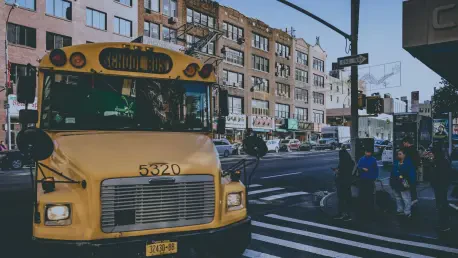
The shared experience of a school trip is a powerful catalyst for strengthening interpersonal relationships and building a more cohesive school community. The informal setting of a bus ride or a group activity helps to break down the formal barriers that often exist between students and their teachers. This fosters a more relaxed and approachable dynamic, allowing educators to be seen as more human and relatable. These stronger, more positive connections are known to be a significant motivator for encouraging regular school attendance, a challenge many institutions face. The benefits extend to the faculty as well. Trips provide a rare opportunity for teachers from different departments and support staff to interact and collaborate outside of their usual roles. This cross-departmental connection reinforces the sense of a unified team working toward a common goal, enhancing the overall supportive fabric of the school environment.
A Renewed Perspective on Educational Investment
Ultimately, the comprehensive evidence demonstrated that educational excursions were not an optional add-on but a high-impact investment with profound, far-reaching benefits. The effort required to organize these outings was consistently justified by the outcomes. These trips proved to be a critical tool for recharging student enthusiasm, transforming abstract lessons into memorable and relevant knowledge. They successfully built essential “science capital” and fostered crucial personal skills like confidence and independence. Simultaneously, these experiences reinvigorated educators’ passion for their profession and strengthened the relational fabric of the entire school community, fostering a more collaborative and supportive environment. While financial and logistical challenges were acknowledged as significant hurdles, they were ultimately shown to be surmountable through proactive and strategic planning. By seeking out designated grants to eliminate financial risks and implementing robust staffing strategies to mitigate administrative burdens, schools effectively reframed the school trip from a potential liability into a rewarding and indispensable educational endeavor.