
While administrative staff view the transition as an opportunity for growth, many faculty members are experiencing organizational stress as they navigate the shift in system architecture. This significant overhaul at Elon University marks the first major modernization of the learning management

California is setting a new national precedent by ensuring that artificial intelligence tools used in universities cannot exploit the personal data of their students. This landmark shift comes with the implementation of Assembly Bill 1159, a directive signed by Governor Gavin Newsom that

Bridging the compensation gap between childcare workers and kindergarten teachers would require an immediate hourly wage increase of at least six dollars. This finding, presented by Jeffrey Liebman of the Harvard Kennedy School, highlights a critical fracture in the economic foundation of

Direct outreach programs bridge the gap between libraries and schools by facilitating on-site card registration and information literacy workshops. This strategic initiative, spearheaded by the Center for Educators and Schools, underscores a commitment to equitable access across New York. As the

The 2026-27 school year marks a shift toward preventing academic dishonesty by explicitly banning the use of generative artificial intelligence and messaging during exams. This legislative move, spearheaded by Wyoming’s Senate File 35, mandates that all school districts formalize their approach to

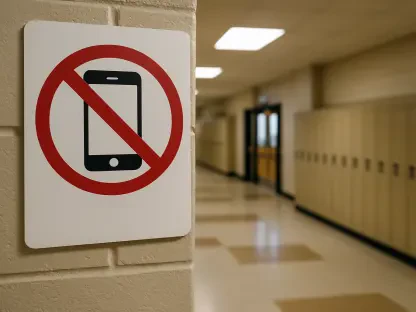
Government schools are currently conducting a massive logistical undertaking to identify students without ministry-issued laptops for home use while enforcing the classroom ban. This strategic shift represents a significant departure from the previous decade’s rapid digitalization, signaling a more