
In an era where fostering student leadership and creating inclusive school environments are paramount, a groundbreaking collaboration is demonstrating that the most impactful mentors for young learners are often their own peers. The Old Rochester Regional school district has embarked on an ambitious journey, partnering with the Boston Celtics and the statewide service organization Project 351 to pioneer a series of student-led initiatives. Spanning five district schools from the elementary level to the high school, these programs are not just extracurricular activities but a fundamental shift in how community, equity, and leadership are cultivated. By placing students at the forefront of their own development, the district is empowering a new generation to build a more empathetic and connected school culture from the ground up, proving that true leadership begins with giving young people a voice and the platform to use it effectively. This innovative model, which engages students from fourth to twelfth grade, is setting a new standard for peer-to-peer education and community engagement.
The Power of Peer-Led Mentorship
The Playbook Initiative in Action
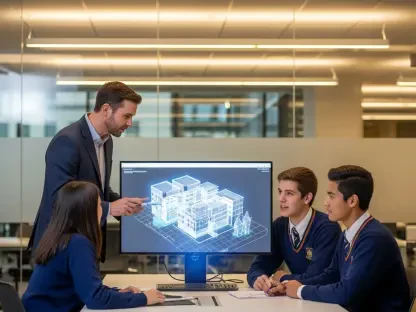
The cornerstone of this new partnership is the Playbook Initiative, a program designed to place the responsibility of teaching and mentorship directly into the hands of students. The initiative kicked off with a series of workshops meticulously planned and executed by student leaders for their younger peers across the district’s three elementary schools, junior high, and high school. This approach immediately differentiated the program from traditional, adult-led assemblies by creating a more relatable and engaging learning environment. The content focused on critical themes of leadership, community building, and equity, allowing older students to translate these complex ideas into accessible and meaningful conversations for their fellow learners. This peer-to-peer structure has been praised by administrators for making the lessons feel more “immediate and real,” as students are more receptive to messages delivered by those who share their experiences. The success of these initial workshops set a powerful precedent, demonstrating that students are not only capable of leading but are often the most effective conduits for fostering a positive and inclusive school climate.
A Summit of Inspiration at the Auerbach Center
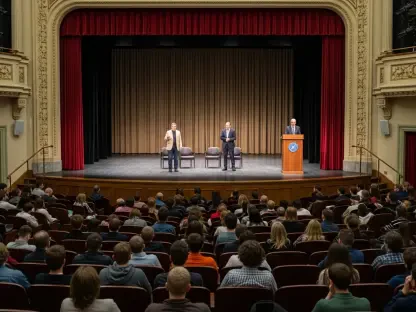
The initial phase of the Playbook Initiative culminated in an unforgettable experience for its student leaders at the Playbook Immersion Summit, held on November 14 at the Boston Celtics’ renowned Auerbach Center. This event provided a professional-level training ground where students could refine their leadership and communication skills under the guidance of prominent figures from the Celtics organization. The presence of Brad Stevens, Brian Scalabrine, and Xavier Tillman Sr. lent significant weight to the program, signaling a genuine investment in the students’ potential. Representing the district at this high-profile summit were junior Olivia Thompson and sophomore Luc Silveira, two student trainers who had been instrumental in the program’s rollout. They attended alongside the Playbook coordinator and Assistant Principal, Lauren Millette, absorbing advanced strategies for community engagement and mentorship. This direct interaction with professional athletes and executives offered more than just inspiration; it provided practical tools and a renewed sense of purpose that the student leaders could bring back to their schools, further amplifying the impact of the peer-led initiative.
Cultivating a Legacy of Service
Fostering Future Leaders with Project 351
In parallel with the Playbook Initiative, the district has deepened its commitment to youth empowerment through its participation in Project 351. This acclaimed statewide organization champions a year-long program of service, leadership development, and civic engagement inspired by the unifying vision of Martin Luther King Jr. The program’s reach within the district is extensive, beginning with elementary school “Influencers” who participated in specialized leadership training designed to instill principles of empathy, teamwork, and community responsibility at a young age. By introducing these concepts early, the district is laying a crucial foundation for a continuous pipeline of socially conscious leaders. The ethos of Project 351 aligns perfectly with the district’s goals, focusing not just on individual achievement but on the collective power of young people to enact positive change. This early engagement ensures that students view leadership not as a position of authority but as an opportunity to serve others, a perspective that will shape their contributions to the school community for years to come.
The Ambassadorial Journey of Service
The pinnacle of the Project 351 experience within the district is the selection of three exceptional eighth-grade students—Lilah Silveira, Elliot Jacobsen, and Delaney Vieira—to serve as the official Project 351 Ambassadors. This prestigious role marks the beginning of a transformative year-long journey of statewide service and intensive leadership training. These ambassadors join a cohort of peers from every city and town in Massachusetts, collaborating on large-scale service projects that address critical community needs. Their responsibilities extend far beyond their local schools, providing them with a broader perspective on civic duty and the tangible impact of collective action. Throughout their tenure, the ambassadors will develop advanced skills in public speaking, project management, and collaborative problem-solving, all while embodying the core values of kindness, compassion, and respect. This immersive experience is designed to build confidence and empower these young leaders to become lifelong advocates for positive change, bringing invaluable skills and a deepened sense of purpose back to their home district.
A Transformed School Community
The implementation of these student-centric programs fostered a palpable shift in the district’s culture. By empowering students to lead discussions on empathy, equity, and inclusion, the initiatives gave young people the tools and the confidence to find their voices. The consensus among administrators, from the superintendent to elementary principals, was that these peer-led efforts created a uniquely supportive environment where every individual felt seen and valued. The programs went beyond theoretical lessons, providing a practical framework for students to understand their vital role in shaping a positive school climate, ultimately building a stronger, more connected community for everyone.