
The dream of an affordable college education in Nevada has just been recalibrated, as students and their families across the state now face the hard reality of a significant, multi-year tuition increase approved by higher education officials. In a decision that will reshape the financial landscape for thousands, the Nevada System of Higher Education’s (NSHE) governing board has authorized a substantial price hike for its public colleges and universities. This move, passed in a contentious 8-5 vote, aims to address a looming fiscal crisis but raises immediate questions about access and affordability for the next generation of learners.
What It Will Cost to Attend College in the Silver State
For current and prospective students, the financial implications of the board’s decision are concrete and substantial. The approved plan introduces a phased tuition increase, which began with the 2026-27 academic year. Over a three-year period, students at four-year institutions like the University of Nevada, Las Vegas (UNLV) and the University of Nevada, Reno (UNR) will see their tuition and fees climb by a total of 12%. Their counterparts at the state’s two-year colleges will face a cumulative 9% increase over the same period.
This percentage-based increase translates into a significant new financial burden for students and their families. By fiscal year 2029, a full-time undergraduate or graduate student at one of Nevada’s major universities will be paying approximately $1,200 more per year than before the hike. This new reality forces a reassessment of college budgets, savings plans, and the overall value proposition of pursuing higher education within the state’s public system.
The Financial Precipice and the Push for an Increase
The primary catalyst for this steep tuition hike was a formidable budget shortfall facing the Nevada System of Higher Education. System leaders, including Chancellor Matt McNair, presented a stark financial picture to the board, highlighting the impending expiration of over $57 million in state bridge funding. This temporary funding, allocated in 2025, was set to disappear, leaving a massive hole in the system’s operational budget.
Without a new revenue stream, NSHE projected a deficit of $27.1 million in fiscal 2028, a figure expected to balloon to $41.4 million by the following year. The potential consequences of this shortfall were severe, with an estimated 317 jobs across the system at risk. The approved tuition increases are projected to generate approximately $49.3 million in new annual revenue, a sum that not only covers the anticipated deficit but also provides a cushion for future expenses.
Beyond plugging the immediate funding gap, officials argued the additional revenue is essential for addressing a host of rising institutional costs. The system is grappling with a significant deferred maintenance backlog across its campuses, requiring immediate and long-term investment. Moreover, the funds are earmarked for critical enhancements to student support services, necessary upgrades to technology infrastructure, bolstered cybersecurity measures, and the financing of a 1% merit-based salary increase for faculty to remain competitive.
Decoding the Arguments For and Against the New Plan
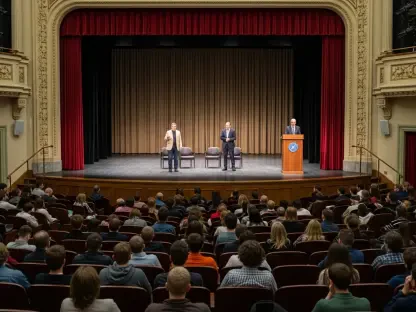
The vote was preceded by a robust and often emotional debate, highlighting the deep divide between student advocates and system administrators. Students voiced strong opposition, arguing that they are being unfairly tasked with solving long-term financial problems not of their making. Kelechi Odunze, the UNLV Student Body President, captured this sentiment by stating that the value of education should come from reinvestment in students, not from asking them to “absorb the cost of systemic failures.”
In contrast, board members who voted in favor of the increase emphasized a different perspective, focusing on regional competitiveness and fiscal responsibility. They argued that even with the new pricing structure, tuition at Nevada’s public institutions will remain a bargain compared to similar schools in the region. Officials presented data showing that costs would still be thousands of dollars cheaper annually than the average tuition at peer institutions within the Western Interstate Commission for Higher Education, framing the decision as a necessary step to ensure the system’s long-term health and quality.
How Families and Students Can Prepare for the Price Tag
With the tuition hike now a reality, financial planning has become more critical than ever for Nevada families. The first step involves a comprehensive reassessment of college savings and budgeting strategies. Families must now account for the incremental cost increases over the next several years, potentially adjusting contribution rates to 529 plans or exploring other investment vehicles to close the newly widened financial gap.
Simultaneously, navigating the world of financial aid takes on heightened importance. Students are encouraged to be more proactive in seeking out scholarships, grants, and other forms of aid that do not require repayment. This includes diligently completing the Free Application for Federal Student Aid (FAFSA) as early as possible and exploring institutional scholarships offered directly by UNLV, UNR, and other NSHE schools. Understanding the terms and responsibilities associated with student loans is also crucial for those who must borrow to cover the increased costs.
The board’s decision had far-reaching consequences that extended beyond immediate financial planning. It prompted a broader conversation about the future of higher education in Nevada, influencing how families and high school students approach college choices. The increased cost of in-state public universities may have led some to more seriously consider community colleges as a cost-effective starting point or to weigh the value of out-of-state options more heavily. Ultimately, the tuition hike reshaped the educational landscape, forcing a state-wide reevaluation of affordability, access, and the long-term investment a college degree represents.