
The persistent misconception that fundamental physical coordination develops naturally as a child matures often obscures the reality that motor skills are complex, learned behaviors requiring structured intervention. Dr. Jacqueline Goodway, a Red Cedar Distinguished Professor at Michigan State University, has spent more than three decades dismantling this myth by demonstrating that activities like throwing, catching, and running are not guaranteed developmental milestones but essential life skills that must be taught. Her extensive body of research highlights a critical disconnect in early childhood education, where the lack of standardized physical curriculum has left many children struggling with basic movements. By integrating her deep expertise in kinesiology with modern technological delivery systems, she has bridged the gap between academic theory and practical, home-based application. This transition represents a shift in pediatric health, moving away from passive observation toward active, intentional instruction designed to build a lifelong foundation of physical literacy.
The Evolution of Kinesthetic Instruction Frameworks
When Dr. Goodway first arrived at Michigan State University from England 35 years ago, her focus was primarily on youth sports injuries, but a graduate assistantship in Flint Public Schools fundamentally redirected her career. Observing young children in the Flint community, she noted a recurring deficit in fundamental motor skills that hindered their ability to engage in normal play and physical activity. To address this developmental gap, she pioneered the Successful Kinesthetic Instruction for Preschoolers, or SKIP, framework. This program established a rigorous, structured environment where preschoolers could master gross motor movements through deliberate practice and expert guidance. Over the subsequent decades, the SKIP framework evolved from a local initiative into an internationally recognized model for pediatric physical development. It has been implemented in various communities across 20 U.S. states and four continents, proving that when children are given the right tools and instruction, they can overcome early movement delays and gain the confidence to lead active lives.
A cornerstone of this research involves challenging the prevailing societal belief that children will eventually “pick up” the physical skills they need simply by growing older or playing outside. Evidence from the field of kinesiology suggests that many children now begin their early education with significant delays in fundamental movements, which do not self-correct without specific intervention. These delays often create a formidable barrier to participation in sports and active recreation, as children who lack confidence in their physical abilities are more likely to withdraw from such activities. This withdrawal initiates a dangerous cycle of inactivity that frequently persists through adolescence and into adulthood, contributing to long-term health complications like obesity and cardiovascular disease. The research emphasizes that providing a fun, structured methodology for learning these foundational skills is not just an educational preference but a public health necessity. By framing physical literacy as a prerequisite for a healthy life, the work aims to ensure that no child is left behind due to a lack of motor competence.
Translating Decades of Research into Digital Solutions
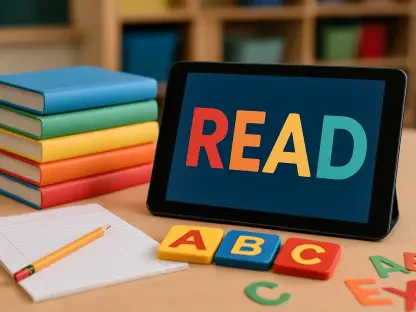
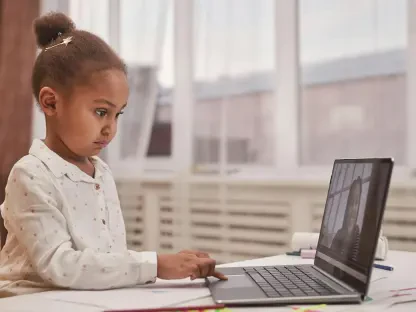
While the SKIP framework achieved remarkable success within school settings, the recent global health landscape underscored the inherent limitations of relying solely on classroom-based interventions. The periods of physical distancing and school closures highlighted a desperate need for resources that parents could utilize within the home environment to support their children’s growth. Recognizing that parents often felt ill-equipped to guide their children’s physical development, Dr. Goodway collaborated with Dr. Nalda Wainwright from the University of Wales Trinity Saint David to digitize 35 years of kinesthetic data. This partnership resulted in the creation of the Mini Movers mobile application, a tool designed to empower parents as the primary facilitators of their children’s motor skill acquisition. By translating complex academic principles into a user-friendly mobile format, the team ensured that the same high-quality instruction previously reserved for specialized classrooms could now be accessed by any family with a smartphone, regardless of their proximity to an educational institution.
The design philosophy of the Mini Movers application focuses on accessibility, gamification, and efficiency to accommodate the realities of modern family life. Priced at approximately five dollars, the app remains affordable for vulnerable or impoverished communities, ensuring that socioeconomic status does not dictate a child’s access to developmental resources. To keep young users engaged, the application utilizes “four worlds” of imaginative play, transforming what might otherwise be repetitive motor drills into exciting adventures. This gamified approach leverages a child’s natural curiosity and desire for play to build essential skills like balance, coordination, and strength. Furthermore, recognizing the time constraints of busy households, the activities are structured into brief, five-to-ten-minute sessions that can be easily integrated into daily routines. This efficiency ensures that physical activity becomes a manageable part of the day rather than a burdensome task, fostering a sustainable habit of movement that benefits both the child and the parent throughout their developmental journey.
Social Dynamics and the Future of Physical Literacy
Beyond the measurable improvements in physical metrics, the implementation of the Mini Movers app revealed profound emotional and social benefits within diverse family structures. In community settings, observers noted that the activities provided a rare opportunity for genuine joy and bonding, particularly in families recovering from challenging or traumatic backgrounds. By focusing on shared laughter and cooperative play, the application served as a mechanism for family cohesion, turning a digital interface into a bridge for human connection. Interestingly, the app demonstrated a multi-generational appeal, frequently drawing in siblings, cousins, and even grandparents who participated in the “worlds” alongside the preschooler. This collaborative environment disrupted the typically sedentary nature of home-based technology use, shifting the smartphone’s role from a source of passive consumption to a catalyst for active social engagement. Instead of isolating users, the technology prompted collective movement, effectively changing the domestic dynamic around screen time and encouraging a more active household culture.
The successful pilot programs in Wales and the United Kingdom established a solid proof-of-concept, paving the way for a broader expansion of digital motor skill interventions across the United States. Future initiatives focused on translating the software into multiple languages to broaden its global footprint, while academic teams prepared for large-scale studies to quantify the app’s impact on cognitive development and pediatric health metrics. Educators and parents were encouraged to integrate these brief, evidence-based sessions into daily schedules to proactively combat the rise of sedentary lifestyles in early childhood. Dr. Goodway’s return to Michigan State University as a Red Cedar Distinguished Professor ensured that her refined SKIP methodology reached a wider audience through modern digital tools. Stakeholders in public health and early education prioritized the adoption of such accessible technology to ensure that children from all socioeconomic backgrounds developed the physical literacy required for long-term wellness. By prioritizing early movement, the academic community provided a clear roadmap for fostering a healthier, more active generation of children worldwide.