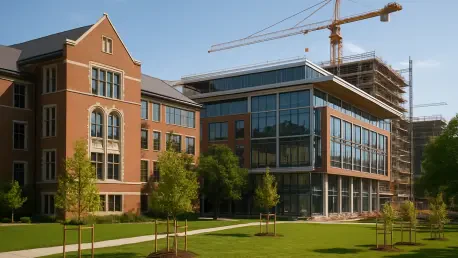

The ongoing transformation of West Virginia University represents a deliberate effort to harmonize historic land-grant traditions with the complex demands of a modern global educational landscape. As the institution navigates this pivotal period, President Michael T. Benson has introduced a strategic framework known as the Strategic Compass to guide the university toward sustainable institutional growth and meaningful engagement. This initiative serves as more than just a administrative roadmap; it functions as a unifying philosophy that emphasizes the virtues of patience and perseverance in the face of rapid academic and economic change. By prioritizing a disciplined approach to operational expansion, the university aims to reinforce its status as a primary catalyst for progress within the state. This comprehensive strategy ensures that the institution remains resilient while addressing the immediate needs of its diverse campus community and its broader regional stakeholders.
Cultivating Leadership: Transitions and Research Initiatives
A fundamental component of the current administrative strategy involves the deliberate fortification of the university’s internal leadership structure and its expansive research infrastructure. A national search for a new Vice President for Research is scheduled to launch on April 1, a move that underscores the university’s commitment to maintaining its status as a premier research institution. This search is being directed by incoming Provost and Vice President for Academic Affairs Beverly Wendland, whose proactive integration into the university culture has already begun despite her official tenure starting later this July. By participating in Board of Governors meetings and various campus events well ahead of her formal appointment, Wendland is ensuring a seamless transition within the Office of the Provost. This continuity is essential for sustaining the momentum of the university’s academic mission and for fostering an environment where high-level inquiry and innovation can thrive without interruption.
Simultaneously, the university is significantly expanding its regional footprint by deepening its connections with the local educational ecosystem through direct community outreach. President Benson’s Welcome Home Tour serves as a primary vehicle for this engagement, with a goal of visiting all 55 West Virginia counties to demonstrate the university’s impact on every resident of the state. These efforts are complemented by personal visits to regional middle and high schools, where the administration engages directly with younger students to build early relationships with the next generation of Mountaineers. For instance, participation in student-led initiatives like the Lincoln WildCAST podcast at Lincoln Middle School allows the university to utilize modern communication platforms to reach prospective students. These vital connections are not merely social gestures; they are strategic investments in the state’s talent pipeline, ensuring that the university remains the top destination for West Virginia’s most promising minds.
Strategic Advocacy: Intellectual Growth and Fiscal Health
The resurgence of the Hardesty Festival of Ideas highlights the university’s dedication to fostering a vibrant intellectual environment that addresses the most pressing challenges of the modern era. This speaker series has recently focused on the ethical implications of artificial intelligence and the shifting dynamics of regional politics, providing a critical forum for students and faculty to engage with experts from various fields. By hosting high-profile figures such as McKay Coppins from The Atlantic, the university creates a bridge between theoretical academic study and the practical application of journalism and political science. These discussions provide the campus community with diverse perspectives on leadership, governance, and the complexities of modern power structures. This commitment to open discourse ensures that the university functions as a central hub for innovation and critical thought, preparing its graduates to navigate an increasingly complex and interconnected world.
To provide the necessary resources for these ambitious academic and community goals, the university has implemented a robust strategy focused on legislative advocacy and diversified philanthropic growth. The Government Relations team remains deeply involved at the State Capitol, advocating for the interests of the entire university system and keeping the community informed through platforms like Under the Dome. On the fiscal side, the upcoming ninth annual Day of Giving on March 25 represents a critical pillar of the institution’s long-term financial sustainability strategy. This event specifically targets funding for unrestricted scholarships and innovation grants, which are essential for supporting the initiatives outlined in the Strategic Compass. By aligning its legislative efforts with aggressive fundraising goals, the university is building a stable financial foundation that allows for continued investment in student success and institutional excellence, regardless of broader economic fluctuations.
The administration successfully prioritized a balanced approach to institutional development by integrating internal leadership transitions with external community outreach and fiscal responsibility. This strategy ensured that the university maintained its research momentum while simultaneously strengthening its ties to the state’s diverse population through the completion of the county-wide tour. The focus on unrestricted scholarships through the Day of Giving provided immediate relief for students and created a flexible pool of resources for future innovation projects. Looking forward, the university established a precedent for proactive engagement that emphasized the importance of staying connected to its land-grant roots while embracing technological and intellectual advancements. Stakeholders realized that the successful implementation of the Strategic Compass required a sustained commitment to these core values to ensure the institution’s continued relevance and growth.