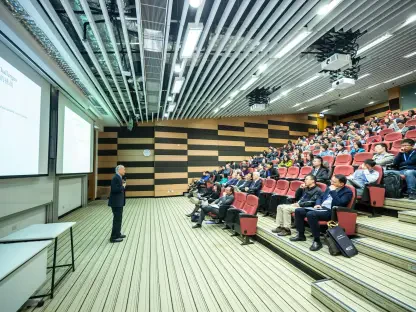

When an educator stands at the front of a classroom, their mere presence serves as a silent message about who belongs in the halls of academia and who remains on the periphery of the educational narrative. In a modern academic environment, the presence of diverse role models is not just a secondary benefit but a fundamental requirement for student success and psychological safety. When students see themselves reflected in their mentors, the perceived boundaries of their own potential begin to expand significantly. However, many minority groups continue to face a systemic lack of visibility within the United States school system, which often relies on outdated instructional models. This phenomenon creates a distinct disconnect between the lived experiences of a diverse student population and the traditional pedagogical frameworks they encounter in the classroom daily. Addressing this gap requires more than just hiring initiatives; it necessitates a deep examination of how identity shapes the learning environment and how the curriculum itself can be used to bring hidden histories into the light for all learners.
The Influence of Professional Identity on Student Perception
Redefining the Traditional Educator Archetype: Challenging Norms
Kabby Hong, a veteran educator with a career spanning over twenty-five years, exemplifies the transformative power of shifting professional identities within the American educational landscape. Transitioning from a career in public relations to the classroom, Hong brought a unique perspective that challenged the traditional archetype of a Wisconsin educator. His journey as the son of Korean immigrants highlights the complexities of navigating professional spaces where one’s identity is rarely reflected in leadership or peer groups. This transition underscores the importance of diverse life experiences in enriching the pedagogical approach, as non-traditional backgrounds allow teachers to connect with students on levels that exceed standard academic instruction. By embracing a multifaceted identity, educators can serve as living proof that success in academia is not reserved for a specific demographic, thereby encouraging students from all backgrounds to pursue similar paths in their own future careers.
Empowering Marginalized Voices: Overcoming Statistical Invisibility
The statistical reality of the teaching workforce remains a significant hurdle, as Asian American male teachers represent less than one percent of the national teaching population. This stark lack of representation often results in an environment where certain student groups feel culturally isolated or misunderstood by the institutional structure. When representation is this sparse, the few educators who do inhabit these spaces often carry the weight of being the sole representatives for their communities. However, the presence of even a single diverse educator can drastically alter the trajectory of a student’s academic experience by providing a mirror for their own identities. In the period from 2026 to 2028, the push for greater demographic diversity in schools has become a central focus for educational policymakers aiming to rectify these historic imbalances. By actively recruiting and supporting teachers who break the traditional mold, schools can begin to create a more authentic reflection of the diverse society they serve today.
Curricular Innovation as a Tool for Lasting Change
Protecting Intellectual Freedom: The Role of Diverse Literature
Advocacy for diverse literature is a critical component of making the invisible visible within the classroom, particularly when specific texts face administrative challenges. The controversy surrounding the removal of historical novels concerning the Japanese American incarceration experience serves as a poignant case study for the necessity of intellectual freedom. Educators have utilized these moments to launch intentional protests, emphasizing that the exclusion of such narratives effectively erases the history and struggles of entire communities. When schools ban literature that explores the complexities of the immigrant experience or systemic injustice, they deprive all students of the opportunity to develop empathy and critical thinking skills. Maintaining a curriculum that includes these difficult but essential stories ensures that the classroom remains a space for honest dialogue rather than a sanitized version of history. This proactive stance is vital for protecting the rights of both students and teachers to engage with the full spectrum of the American experience.
Fostering Academic Humility: Actionable Next Steps
The collaboration between diverse educators and institutional leaders established a clear roadmap for the future of equitable education in America. It was determined that centering the voices of marginalized students through the power of storytelling remained the most effective method for fostering a culture of joy and inclusion. Educators were encouraged to provide students with consistent opportunities to respond to literature through the unique lens of their own backgrounds. Moving forward, the focus shifted toward implementing hiring practices that prioritized demographic diversity alongside professional expertise to ensure the teaching force reflected the nation’s makeup. Schools adopted comprehensive review processes for their curricula to identify and rectify the omissions of minority histories and contributions. These actions ensured that representation became more than a symbolic gesture, evolving into a structural foundation. By committing to these specific strategies, the academic community successfully transformed schools into spaces where every student felt seen and heard.