
A recent statewide initiative in Hawaiʻi’s public schools has transformed the typical cafeteria lunch tray into a vibrant testament to local agriculture and student wellness. The introduction of a special “taste the rainbow” salad, composed entirely of locally sourced produce, marked a significant milestone in the state’s farm-to-school program. This wasn’t a small-scale pilot; it was a massive logistical undertaking involving the distribution of approximately 5,400 pounds of fresh vegetables to 100 participating schools across the islands. The impressive haul included 3,300 pounds of lettuce, 2,000 pounds of tomatoes, and 100 pounds of cucumbers, all cultivated by local farmers. At institutions like Kohala High and Kohala Elementary, the colorful salad was strategically served alongside a student favorite, pepperoni pizza. This clever pairing successfully encouraged even the most hesitant eaters to try the fresh, nutrient-rich option, demonstrating a thoughtful approach to introducing healthier eating habits and celebrating the bounty of the islands’ agricultural community.
A Colorful Initiative and Community Response
The “Taste the Rainbow” Salad
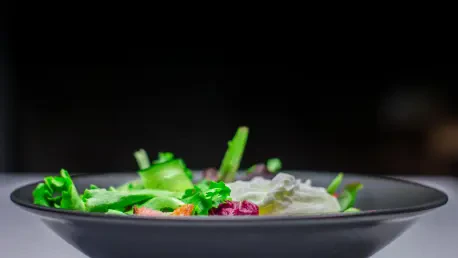
The logistical coordination required to bring the “taste the rainbow” salad to fruition was a remarkable feat, showcasing a deep commitment to the farm-to-school vision. Orchestrating the delivery of thousands of pounds of perishable produce from various local farms to one hundred different school cafeterias across multiple islands demands precision and a robust supply chain. The vibrant salad served at schools like Kohala High was a direct result of this effort, featuring crisp local lettuce from ʻAnoʻano Farms, fresh watercress, ripe tomatoes, and crunchy cucumbers. To enhance its visual appeal and nutritional profile, the salad was further embellished with shredded purple cabbage and carrots, creating the “rainbow” effect that captivated students. Served with a familiar ranch dressing, the dish was designed to be both delicious and approachable, bridging the gap between farm-fresh ingredients and the palates of young diners. This single menu item represented a powerful, tangible connection between students and the local agricultural landscape.
The successful introduction of the salad was also heavily reliant on the enthusiastic support and strategic thinking of school staff on the ground. Food Services Manager Indigo Mathewson of Kohala High School played a pivotal role in championing the initiative, recognizing its multifaceted benefits. The decision to serve the new, healthy salad alongside a universally popular entrée like pepperoni pizza was a calculated move to lower the barrier to entry for students. It created a direct, side-by-side comparison that allowed the freshness and appeal of the local produce to shine, rather than forcing an unfamiliar choice. Mathewson’s perspective highlights the core goals of the program: bolstering the local economy by supporting farmers, providing students with food that is demonstrably fresher and more nutritious, and ensuring that all children have access to healthy meals they might not otherwise receive. This approach underscores the idea that building healthy habits is an incremental process, best achieved through positive exposure and encouragement rather than rigid mandates.
Enthusiastic Student Feedback
The reception from the youngest students was a resounding success, providing crucial validation for the program’s direction. At Kohala Elementary School, third-graders articulated their approval with a clarity that went beyond simple taste preference. Student Macklin Loo not only enjoyed the salad but also demonstrated an understanding of its health benefits, astutely commenting, “It’s good for you because it gives you a lot of nutrients.” This remark indicates that the educational component of the farm-to-school initiative is taking root. Meanwhile, his classmate Aliana Perez was captivated by the salad’s aesthetic qualities, perfectly capturing the spirit of the “taste the rainbow” theme. “I liked how it had purple cabbage and carrots inside… It had purple stripes and orange stripes and then the background was green,” she described, highlighting how visual appeal can be a powerful motivator for children to try new foods. The overwhelmingly positive feedback from this age group suggests that early, engaging exposure to fresh produce can foster a genuine appreciation for healthy eating.
This enthusiasm was mirrored among the older students, who brought a more sophisticated awareness of the program’s broader community impact to their feedback. Haley Pimentel, a ninth-grader, praised the salad’s quality while emphasizing its connection to the local economy. “I thought it was really good, especially since it’s fresh and it’s from local vendors, and that’s really important for us to have in school,” she stated. This sentiment reflects an understanding that school lunch choices can have far-reaching economic consequences. Fellow freshman Kazlyn Matsu drew a sharp contrast between the school’s offering and mass-produced alternatives, noting, “It tastes fresh — not like the type of salads that are pre-made in bags in stores.” Her comment not only speaks to the superior quality of farm-fresh ingredients but also reinforces the value of supporting local producers. The consistent approval across elementary, middle, and high school levels demonstrates the universal appeal of the initiative and its success in connecting with students on multiple levels, from sensory enjoyment to civic pride.
Strategic Vision and Long-Term Impact
State-Level Support Act 175
The “rainbow” salad initiative is not an isolated event but rather a direct and visible outcome of a deliberate state strategy formalized by Act 175. Signed into law in 2021, this landmark legislation represents Hawaiʻi’s significant and long-term commitment to weaving local agriculture into the fabric of its public education system. A key provision of the act was the strategic transfer of the Hawaiʻi Farm-to-School Program from the Department of Agriculture to the Department of Education, a move designed to embed the initiative directly within the school system for more seamless integration and accountability. Most importantly, Act 175 established a clear and ambitious target for the state: to ensure that 30% of the food served in public schools is locally sourced by the year 2030. This quantifiable goal provides a benchmark for progress and signals a serious investment in the program’s success, transforming a collection of well-meaning pilot projects into a unified, statewide policy directive with clear objectives and a defined timeline.
The legislative framework of Act 175 outlines a comprehensive, multi-faceted approach aimed at achieving several interconnected goals that extend far beyond the cafeteria. First and foremost, the act seeks to improve student health by providing consistent access to fresher, more nutritious food options. Concurrently, it aims to cultivate the next generation of agricultural professionals by exposing students to the industry and creating educational pathways into the field. Economically, the legislation leverages the immense purchasing power of the state’s school system—which serves over 100,000 meals daily—to provide a stable and significant market for local farms, thereby strengthening the entire local food system. Furthermore, Act 175 is designed to accelerate the expansion of garden and farm-based educational programs, offering students invaluable hands-on learning experiences. Finally, it works to forge stronger, more resilient school-community relationships by creating a direct and mutually beneficial partnership between educational institutions and the local agricultural producers who feed them.
Beyond the Rainbow A Systemic Shift
The success of the special monthly salad serves as a powerful proof of concept, paving the way for a broader, systemic shift in school food policy across Hawaiʻi. The momentum from this single event is already being translated into permanent change. Beginning with the current school year, public schools across the state have expanded their daily lunch menus to include fresh salad entrées as a permanent alternative to the standard hot meal. This development marks a significant evolution from promotional events to the institutionalization of healthy, local options in the daily lives of students. The new menu now features appealing choices such as Chinese chicken salad, chef salad, and taco salad. Critically, these meals are made fresh at each school and are mandated to prioritize the use of local produce and beef whenever they are available, ensuring that the commitment to local sourcing is upheld day after day.
This expansion demonstrates a sustained, long-term vision that moves beyond temporary initiatives. The introduction of permanent salad options signifies a fundamental change in the approach to school nutrition, one that values freshness, local sourcing, and student choice. School food service managers like Indigo Mathewson have expressed immense excitement and hope for the continued expansion of these programs, viewing the “rainbow” salad as a successful stepping stone toward a more integrated and sustainable food system. The positive reception from students, staff, and the community has validated the state’s direction and provided the impetus to deepen its commitment. The journey that began with a single, colorful salad has now blossomed into a foundational component of the school lunch program, indicating a bright and healthy future for the farm-to-school movement in Hawaiʻi and a lasting investment in the well-being of its students and its economy.