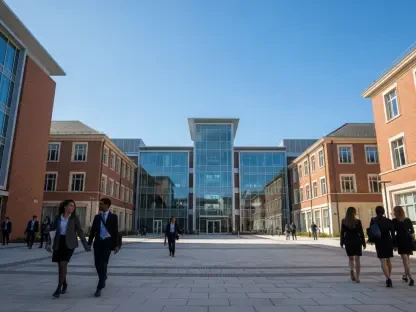

In a landmark decision aimed at fundamentally reshaping its higher education landscape, the Greek government has officially struck 308,605 long-inactive students from the registries of its public universities, concluding the initiative at the end of last year. This decisive action, implemented under the provisions of Law 4957/2022, specifically targets individuals who had enrolled in four-year degree programs before 2017 but had since ceased all academic activity, failing to meet the legal requirements for an extension of their studies. The move brings an end to the long-standing and peculiar national policy that allowed for “forever students,” a practice that permitted individuals to remain officially enrolled for decades without any genuine connection to their academic institutions. This extensive administrative cleanup is being framed not merely as a bureaucratic necessity but as a critical first step in a broader strategy to modernize, rationalize, and enhance the competitiveness of the country’s public university system for the benefit of current and future generations of active learners.
Addressing a Systemic Anomaly
The ‘Forever Student’ Phenomenon
The core issue this reform confronted was a unique and deeply entrenched anomaly within the European academic sphere, where student status could be maintained indefinitely regardless of academic progress. This long-standing practice created a cascade of severe administrative and strategic planning challenges for universities. According to Education Minister Sofia Zacharaki, the outdated system was fundamentally unfair to all stakeholders. It severely hampered the ability of university administrators to plan for the future, as enrollment figures were artificially inflated and did not reflect the actual number of active students requiring resources. This distortion devalued the hard work and commitment of the students who were actively pursuing their degrees and adhering to academic timelines. Moreover, it left the inactive students themselves in a prolonged state of academic limbo, officially tied to an institution with which they had no practical engagement. This created a cycle of inefficiency and misrepresentation that undermined the integrity and perceived value of a Greek university education both domestically and internationally.
This phenomenon of perpetually enrolled students generated a significant administrative burden that rippled through every level of university operations. With official registries containing hundreds of thousands of individuals who were not actually attending classes, making data-driven decisions became nearly impossible. The inflated enrollment numbers skewed critical metrics such as student-to-faculty ratios, graduation rates, and dropout statistics, making it difficult to accurately assess institutional performance or identify areas needing improvement. This distorted data directly impacted the allocation of state funding, which often relies on enrollment figures, meaning resources were not efficiently directed to support the active student body. On a practical level, universities struggled with everything from scheduling adequate classroom space to providing sufficient library and laboratory resources, as they were planning for a much larger population than they were actually serving. This persistent lack of clarity prevented effective benchmarking against international peers and hindered the implementation of evidence-based policies aimed at enhancing the quality of education and student life.
A Modernizing Framework with Safeguards
The government’s new legislative framework was designed not as a punitive measure but as a necessary modernization of the public university system, intended to reinforce the principle that a degree should reflect genuine effort and timely completion. Officials have been keen to emphasize the nuanced and flexible nature of the law. Recognizing that students can face legitimate obstacles to their studies, the policy incorporates explicit exemptions to protect those who have valid reasons for their inactivity. These safeguards are available for students who can demonstrate that their academic progress was interrupted by significant work commitments, documented health problems, or major family responsibilities. By building these considerations directly into the legislation, the reform aimed to distinguish between those who had effectively abandoned their studies and those who were facing genuine hardship. This balanced approach ensured that the cleanup process was conducted with a degree of compassion and fairness, preventing the indiscriminate removal of individuals who had every intention of completing their education once their circumstances improved.
A key component of the reform’s implementation was a “second chance” provision, which offered a pathway for inactive students to reactivate their status and resume their studies. Before the final deadline, thousands of individuals took advantage of this opportunity by meeting a set of specific conditions, such as registering for courses for the upcoming semester and submitting a formal declaration of their intent to complete their degree. The ministry has pointed to the significant number of students who chose this option as clear confirmation that the intervention was both necessary and timely. This high response rate demonstrated that the policy successfully prompted a resolution, compelling individuals to make a definitive choice about their academic future. For the government, this outcome validated the strategy, proving that the goal was not simply to reduce numbers on a spreadsheet but to bring clarity to the system and re-engage those students who retained a genuine desire to earn their degree, thereby strengthening the active and committed student community.
Paving the Way for Substantive Reform
The Power of Accurate Data
This comprehensive cleanup of university registries is being presented as a foundational prerequisite for the next phase of meaningful reform in Greek higher education. Deputy Education Minister Nikos Papaioannou has highlighted that possessing accurate and reliable enrollment data is absolutely essential for any substantive policy changes. With a clear picture of the true number of active students, policymakers can now engage in more effective and targeted planning to support them. This newfound clarity will facilitate a more precise and equitable allocation of university funding from the state, ensuring that financial resources are channeled directly to the institutions and departments where they are most needed. By moving away from budgets based on inflated and historical enrollment figures, the system can become more responsive and efficient. This rationalization of funding is expected to have a direct and positive impact on the quality of public institutions, enabling them to invest in better infrastructure, updated technology, and enhanced student support services for their active learners.
The ripple effects of having reliable data extend deep into the daily operations and long-term strategic planning of each university. Accurate enrollment figures allow administrators to manage staffing levels more effectively, ensuring an appropriate student-to-faculty ratio that is crucial for teaching quality and academic support. It also enables better management of physical infrastructure, from classroom and laboratory availability to library resources and housing. Furthermore, the ability to report precise metrics is critical for a university’s standing in international rankings, which heavily weigh factors like graduation rates, student engagement, and operational efficiency. By aligning their official data with reality, Greek universities can present a more accurate and competitive profile on the global stage. This reform, therefore, is not merely an internal administrative task; it is a strategic move designed to bolster the reputation and functionality of the entire public higher education system, making it more modern, transparent, and accountable.
A New Foundation for Academic Excellence
The removal of over 300,000 inactive students from university records marked the definitive end of an era for Greek higher education. This action was not just a procedural update but a profound policy shift that closed a chapter defined by administrative ambiguity and inefficiency. It established a new, more rigorous standard for what it means to be a university student in the country, fundamentally resetting the relationship between students and their institutions. By clearing the registries, the government laid a clean and solid foundation upon which future reforms could be built. This move provided the necessary clarity for universities to plan their futures with confidence, manage their resources effectively, and focus their attention on the students who were actively engaged in their education. It created a more accountable and transparent system, setting the stage for subsequent initiatives aimed at elevating academic standards and improving the overall student experience.
This comprehensive administrative overhaul ultimately served as a crucial step toward protecting and enhancing the value of a Greek university degree. The decision concluded a period of academic stagnation for a significant number of individuals and empowered universities to operate with a renewed sense of purpose and clarity. The reform sent a clear message that a university education is a commitment that requires active participation, thereby reinforcing the efforts of dedicated students and faculty. By ensuring that institutional resources were no longer nominally allocated to a vast population of inactive enrollees, the system could better serve its core mission: to educate and empower its active student body. This foundational change positioned Greece’s public institutions to contribute more effectively to the nation’s intellectual capital and economic growth, paving the way for a more dynamic, responsive, and globally competitive higher education sector.