
The threshold of a child’s entry into formal schooling represents far more than a simple change in daily schedule; it is the definitive launch of their academic and social identity within a complex institutional framework. As educational landscapes continue to evolve in 2026, the criteria for readiness have shifted from a narrow focus on rote academic skills toward a more comprehensive evaluation of functional independence and emotional resilience. This transition requires a sophisticated blend of communicative competence and behavioral health that allows a child to thrive in a high-energy classroom. While many parents feel an understandable pressure to ensure their children can count to one hundred or recite the alphabet perfectly, veteran educators increasingly point to soft skills as the primary predictors of long-term success. Understanding this shift is essential for families who wish to provide a foundation that supports both intellectual curiosity and the practical ability to navigate a structured environment. By focusing on the whole child, parents can ensure that the move into kindergarten is met with confidence and a genuine enthusiasm for the journey ahead.
Prioritizing Behavioral Foundations and Physical Autonomy
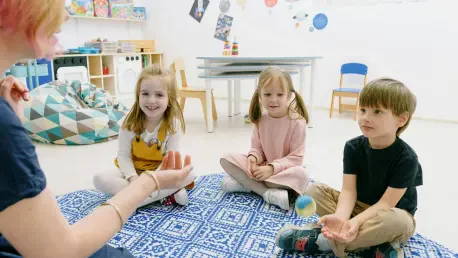
Success within the contemporary classroom is often predicated on a child’s mastery of learning behaviors rather than their mastery of specific academic content. Educators specifically look for the capacity to follow multi-step verbal directions and the willingness to engage with diverse adults beyond the immediate family circle. These foundational abilities act as vital gatekeepers; if a child lacks the discipline to remain attentive during a ten-minute group activity or the resilience to accept gentle redirection from a teacher, they may struggle to access the curriculum regardless of their raw intellectual potential. Behavioral readiness also encompasses the ability to manage transitions between different activities without significant distress or disruption. When a child can effectively regulate their impulses and maintain focus on a shared task, they contribute to a more efficient and harmonious learning environment for all students. This maturity allows the instructional flow to remain uninterrupted by basic management needs.
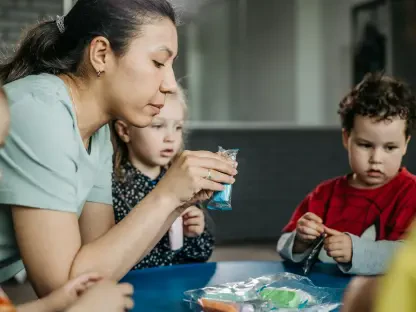
Physical self-sufficiency serves as a cornerstone of confidence for any child entering the kindergarten environment for the first time. Teachers frequently observe that students who can manage their own personal belongings—such as zipping a backpack, opening a complicated lunch container, or manipulating a jacket zipper—exhibit a higher degree of self-assurance in other school-related tasks. Furthermore, the ability to use the restroom and redress oneself without adult intervention is a critical milestone that ensures the child does not fall behind during the rapid-fire schedule of a modern school day. When these basic physical needs are met through independent action, it frees the educator to focus on high-level instruction rather than the minutiae of daily self-care. Families can foster this autonomy by allowing children to practice these tasks in low-stakes environments at home. This preparation also includes practicing brief separations, which helps a child realize that they are capable of navigating their surroundings even when a parent is not present.
Balancing Technology and Motor Skill Development
In a society increasingly shaped by digital saturation, there is a mounting concern among developmental experts regarding the measurable decline in early childhood speech and articulation. The passive nature of digital entertainment often replaces the active, back-and-forth verbal exchanges that are strictly necessary for developing sophisticated language comprehension and expressive clarity. To mitigate these effects, the current pedagogical consensus emphasizes the necessity of prioritizing unplugged time, where children are required to use their voices to navigate social interactions and express complex needs. High-quality verbal engagement—simply talking to and listening to a child during mundane daily activities—remains the most effective strategy for ensuring a child possesses the communicative tools required for a collaborative classroom. By reducing the noise of constant digital stimulation, parents create a space where a child can learn to discern subtle auditory cues and practice the phonological skills that serve as the bedrock for reading and writing.
While digital interfaces prioritize swipes and taps, the physical requirements of a kindergarten classroom still demand significant fine motor strength and manual dexterity. Screen time often displaces the tactile, messy play that is essential for strengthening the small muscles in the hand, which are later utilized for proper pencil grip and letter formation. Activities that may seem like mere hobbies, such as molding playdough, using safety scissors, or meticulously stringing beads, are actually rigorous exercises in hand-eye coordination and muscular endurance. Encouraging a child to engage with these physical materials provides them with the anatomical readiness needed to master early writing tasks without the frustration that often accompanies weak grip strength. When a child arrives at school with hands that are already accustomed to manipulating diverse tools, they can transition into formal handwriting with much greater ease. This focus on physical development ensures that the child is not hindered by the mechanical aspects of learning, allowing their creative thoughts to flourish.
Integrating Learning into Daily Routines
Preparing a child for the rigors of kindergarten does not necessitate the implementation of formal desk-side lessons or the completion of repetitive worksheets. Instead, effective preparation often involves the concept of incidental learning, where educational themes are woven naturally into the fabric of daily household life. Routine chores, such as setting the dinner table or sorting the weekly laundry, offer practical and engaging lessons in counting, pattern recognition, and categorization. Even a simple trip to the kitchen pantry can be transformed into a literacy exercise by encouraging a child to find specific letters or environmental print on cereal boxes and food packaging. This approach makes the acquisition of knowledge feel like a natural extension of curiosity rather than a forced or stressful obligation. By highlighting the math and language already present in the home, parents help their children understand that learning is a continuous process that occurs everywhere, not just within the four walls of a school building.
Community-based outings and local travel provide a rich tapestry of cognitive challenges that can be leveraged to reinforce school readiness without the pressure of a traditional academic setting. A routine visit to a grocery store, for instance, offers a plethora of opportunities to teach basic physics through the weighing of produce or numeracy through the counting of items as they are placed into the cart. Similarly, the time spent during a daily commute or a car ride is an ideal window for playing phonological awareness games, such as rhyming or identifying the starting sounds of objects seen through the window. These activities help children develop an ear for the rhythmic structures of language, which is a direct precursor to successful decoding in reading. By turning the world into a living classroom, families ensure that their children remain intellectually stimulated while simultaneously building the background knowledge that helps them make sense of the new concepts they will encounter during their formal education.
Supporting the Emotional Transition for Families
The transition to a formal school environment is an emotional milestone that affects the parents just as significantly as it does the child entering the classroom. It is common for caregivers to experience a range of anxieties regarding their child’s social integration, academic standing, or emotional wellbeing during the initial weeks of the term. However, managing this anxiety is crucial because children often mirror the emotional states of their primary caregivers. By viewing teachers as professional partners and allies, parents can create a robust support network that benefits the child’s overall experience. Projecting a sense of excitement and confidence about the upcoming school year helps the child view the transition as a positive adventure rather than a source of potential fear. When parents demonstrate trust in the school system and the educators involved, they provide a secure emotional base from which the child can begin to explore their new world with a sense of safety and curiosity.
Establishing a routine that prioritizes open communication and emotional validation allowed families to navigate the complexities of the school transition with greater ease. Educators recommended that parents initiate specific, actionable next steps, such as visiting the school playground before the term started or meeting the teacher to establish a personal connection. These proactive measures successfully bridged the gap between the familiar home environment and the new institutional setting. Furthermore, focusing on the child’s resilience and their capacity for growth shifted the narrative from one of apprehension to one of achievement. By reinforcing the idea that kindergarten was a year for building social foundations and exploring new ideas, parents ensured that their children entered the classroom not just prepared to meet standards, but eager to engage with the world. The ultimate goal was to foster a sense of belonging and competence that served the child throughout their entire educational career, turning a major life change into a successful and empowering experience.