
Imagine a province teetering on the edge of a workforce crisis, where the retirement of thousands of skilled tradespeople could grind critical industries to a halt. This is the reality facing Newfoundland and Labrador, and newly appointed Education Minister Paul Dinn is stepping into the fray with a bold plan to transform the K-12 education system. With nearly 6,000 trades workers expected to retire by 2032, Dinn is sounding the alarm on the urgent need to prepare the next generation for careers in construction, energy, and beyond. Just over a week into his tenure, his vision is already taking shape—prioritizing skilled trades education to ensure the province’s economic engine keeps running. This isn’t just about filling gaps; it’s about reshaping how young people view their futures and securing a sustainable pipeline of talent. The stakes are high, and Dinn’s push for reform could redefine education and industry in the region for decades to come.
Revamping Early Education for a Skilled Future
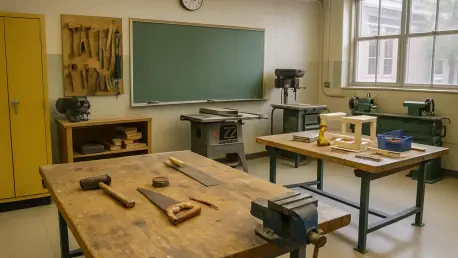
In a striking move, Dinn is advocating for a fundamental shift in how the K-12 system approaches career preparation, placing skilled trades at the forefront. Too often, students are steered toward academic paths without considering the immense value and stability that trades offer. By integrating hands-on learning and vocational programs into earlier grade levels, the minister aims to spark interest and build confidence in these careers. This isn’t merely about adding a few shop classes; it’s a cultural pivot to show young minds that wielding a welding torch or designing infrastructure can be as prestigious as earning a degree. Such early exposure could dismantle outdated stereotypes, making trades a first-choice career for many. If successful, this reform might not only address immediate workforce shortages but also create a generation of innovators ready to tackle the province’s toughest challenges in industries that form the backbone of the economy.
Moreover, embedding trades education in K-12 isn’t just about skills—it’s about opportunity. Dinn envisions structured pathways that guide students from middle school workshops to high school apprenticeships, ensuring they’re job-ready upon graduation. This approach stands in contrast to traditional models where vocational training often feels like an afterthought. Beyond practical know-how, these programs could foster critical thinking and problem-solving, traits essential for modern tradespeople navigating complex projects. Importantly, this shift also seeks to balance academic and technical learning, ensuring no student feels pigeonholed. As industries evolve with new technologies, having a workforce that’s adaptable and well-rounded becomes non-negotiable. Dinn’s plan, if rolled out effectively, could position Newfoundland and Labrador as a leader in forward-thinking education, preparing youth not just for jobs, but for lifelong careers.
Learning from History to Shape Tomorrow
Reflecting on past efforts provides a roadmap for Dinn’s current ambitions, particularly his involvement with the 2007 Skills Task Force, which sought to bolster trades training amid major industrial projects. Back then, the focus was on preparing for economic booms, and while projects may ebb and flow, the need for a robust local workforce remains constant. Today, the challenge is even more pressing with a looming retirement wave threatening to sap vital industries of expertise. Dinn’s experience informs a clear-eyed strategy: start young, build strong foundations, and keep talent close to home. His goal to retain young Newfoundlanders and lure back those who’ve left for greener pastures speaks to a deeper resolve. It’s about creating a sense of belonging and purpose, ensuring the province isn’t just a stepping stone but a destination for rewarding careers in trades.
Furthermore, this historical lens highlights the cyclical nature of workforce demands and the enduring value of proactive planning. Dinn understands that waiting for a crisis to fully unfold isn’t an option; instead, embedding trades education now can preempt shortages before they cripple key sectors. Unlike past initiatives that often reacted to immediate needs, today’s focus is on sustainability—cultivating a talent pool that grows with the province’s ambitions. This long-term vision also tackles out-migration, a persistent issue draining the region of potential. By offering compelling local opportunities through early education reform, the minister aims to flip the narrative, making staying in Newfoundland and Labrador the obvious choice. If this strategy takes root, it could transform not just education but the very fabric of the province’s economic and social landscape for years to come.
Forging Strong Ties with Industry and Academia
A cornerstone of Dinn’s approach lies in forging powerful alliances between education and industry, a synergy vividly illustrated by his participation in a Cenovus Energy event at Memorial University. There, a $2.25 million investment was unveiled to fuel student programs ranging from scholarships to design hubs and field courses. Such funding isn’t just a financial boost; it’s a lifeline for nurturing practical skills and innovative thinking among youth eyeing trades and engineering careers. These initiatives signal to students that their ambitions are backed by real-world stakeholders who see their potential. For Dinn, this kind of collaboration is indispensable, knitting together the theoretical and hands-on aspects of learning to produce graduates who are as comfortable with blueprints as they are with brainstorming solutions. It’s a model that could set a precedent for how education aligns with economic needs.
Additionally, these partnerships extend a promise of relevance, ensuring that training mirrors the evolving demands of industries like energy and construction. By tying K-12 reforms to such investments, Dinn is crafting a seamless journey from early education to specialized programs at the university level. This isn’t just about filling classrooms with tools; it’s about building ecosystems where students, educators, and industry leaders collaborate on shaping the future. The ripple effects are significant—students gain access to cutting-edge resources, while businesses secure a steady stream of skilled workers. As these ties deepen, they could also inspire confidence among parents and communities, showing that trades aren’t a fallback but a frontier of opportunity. If this collaborative spirit continues, it might well become the blueprint for tackling workforce challenges across other regions facing similar hurdles.
Strengthening Bonds with Educational Pillars
Beyond high-profile industry events, Dinn’s commitment to trades education is evident in his engagement with vital institutions like the College of the North Atlantic, where he recently attended an annual general meeting. This move underscores a determination to bridge K-12 reforms with post-secondary training, creating a continuum that supports students at every stage. The college plays a pivotal role in trades education, offering hands-on programs that turn classroom theory into tangible skills. By aligning efforts across educational levels, Dinn is ensuring that early exposure in schools doesn’t fizzle out but rather builds toward concrete career paths. This holistic strategy could be the key to making trades education not just a phase but a lifelong foundation for many young Newfoundlanders.
In tandem, such engagement fosters dialogue between policymakers and educators, ensuring that curriculum changes reflect real industry needs rather than theoretical ideals. It’s a practical step—listening to institutions that have long been at the forefront of trades training helps fine-tune K-12 initiatives for maximum impact. This approach also sends a clear message to students: their education is part of a larger system designed to set them up for success. Unlike fragmented efforts of the past, this coordinated push could eliminate gaps where students often fall through, uncertain of their next steps. As Dinn continues to champion these connections, the hope is that every level of education becomes a stepping stone, seamlessly guiding youth from their first workshop in grade school to mastering a trade that powers the province’s future. This could mark a turning point in how education and industry intertwine.
Charting the Path Ahead for Trades Education
Looking back, Dinn’s early days as Education Minister were marked by a resolute focus on addressing the imminent retirement of nearly 6,000 tradespeople by 2032 through transformative K-12 reforms. His attendance at key events and partnerships with entities like Cenovus Energy and the College of the North Atlantic laid a strong foundation for collaboration. What emerged was a compelling narrative of urgency and action, blending historical insights with modern strategies to safeguard the province’s economic vitality. The groundwork set during this initial push was a testament to the power of proactive policymaking in education.
Moving forward, the challenge lies in translating this vision into measurable outcomes—ensuring that every school embraces trades programs and that every student sees a clear path to a rewarding career. Stakeholders must prioritize funding and teacher training to bring these reforms to life. Additionally, ongoing dialogue with industry will be crucial to keep curricula aligned with emerging technologies. If these steps are taken, Newfoundland and Labrador could not only avert a workforce crisis but also emerge as a model for integrating vocational education into mainstream learning, inspiring other regions to follow suit.