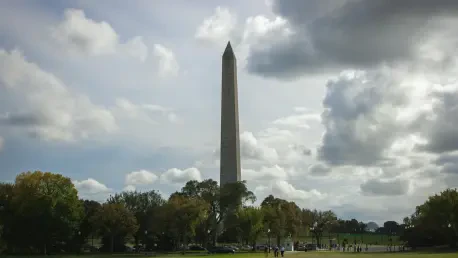

In a bold departure from the conventional campus-bound start to university life, the University of Southern California has successfully pioneered an initiative that places incoming freshmen directly at the heart of the nation’s most pressing conversations. The inaugural “First Semester in D.C.” program offered fifty-seven students, representing a diverse array of nearly thirty majors from aerospace engineering to business administration, the chance to begin their collegiate journey not in Los Angeles, but at the USC Capital Campus. This unconventional path was designed to provide a uniquely meaningful and impactful start, immersing students in a world where their academic coursework on policy, history, and leadership was mirrored in the real-world dynamics unfolding just outside their classroom doors. For many, like international relations and global business major Lielle Katz who described it as “the best way to start college,” the experience transformed abstract concepts into tangible realities, setting a purposeful tone for their entire undergraduate career.
A New Model for Freshman Academics
Blending Theory with Reality
The pedagogical foundation of the D.C. program rested on the principle of using the city itself as a dynamic, interactive classroom. This approach was brought to life through a curriculum that actively pushed learning beyond the confines of a traditional lecture hall. With intentionally small class sizes, professors were able to foster deeply engaging, discussion-based seminars that encouraged critical thinking and direct interaction. The academic experience was frequently punctuated by educational excursions to the nation’s most significant institutions. Students walked the halls of the U.S. Capitol, explored the vast collections of the Library of Congress, engaged with diplomats at various international embassies, and drew inspiration from the world-class exhibits at the Smithsonian museums. This immersive structure ensured that learning was not a passive activity but an active exploration, allowing students to witness firsthand the places where history is made and policy is debated, providing a rich, contextual backdrop to their studies.
This hands-on methodology was further amplified by direct engagement with a diverse roster of professionals and thought leaders from across the capital. The program’s staff and faculty leveraged the USC Capital Campus’s prime location to facilitate a series of guest lectures and networking events featuring prominent figures from government, media, and academia. These sessions provided students with invaluable firsthand insights into the complex inner workings of Washington, D.C., offering perspectives that textbooks alone cannot provide. By interacting with individuals shaping national and global discourse, students were able to connect their classroom learning to contemporary issues and potential career paths. These opportunities not only enriched their academic understanding but also helped them build a nascent professional network, demystifying the corridors of power and making careers in public service, international affairs, and related fields feel more attainable and immediate.
Cross-Disciplinary Appeal and Flexibility
A significant achievement of the program was its demonstrated value for students whose academic focus lay far outside the traditional realms of policy and government. The experience of Tan Tandogan, an aerospace engineering major, serves as a powerful testament to this broad, interdisciplinary appeal. He found that the D.C. environment provided a unique opportunity to explore intellectual interests that were complementary to, yet distinct from, his core engineering curriculum. Describing the semester as scratching “an itch I never knew I had,” Tandogan’s journey highlights the program’s success in fostering a more holistic educational perspective and encouraging intellectual curiosity beyond a student’s declared major. This exposure to the intersections of technology, policy, and society offered a broader context for his future work, illustrating that an understanding of the national landscape is critical for innovators in every field, not just those in the social sciences.
The program’s curriculum was strategically engineered to provide both intellectual breadth and long-term practical benefits. By centering the coursework on foundational general education requirements with an emphasis on history, writing, and leadership, the semester was designed to seamlessly integrate into any student’s four-year academic plan, regardless of their major. This structure allowed participants like Tandogan to complete essential core classes in a unique and stimulating environment. In doing so, they not only gained a profound understanding of the forces shaping the nation but also opened up greater flexibility in their future schedules. Upon transitioning to the main campus in Los Angeles, these students found they had more room in their timetables to pursue advanced, major-specific courses, minors, or other specialized academic opportunities, giving them a distinct advantage as they continued their undergraduate studies.
Building a Foundation for Success
Fostering a Tight-Knit Community
One of the most consistently praised aspects of the inaugural semester was the powerful sense of community cultivated by the program’s intimate scale. In contrast to the often-overwhelming experience of starting university on a large campus with thousands of peers, the D.C. cohort began their journey as a small, close-knit group. This supportive ecosystem, as described by business administration major Chase Williams, was deliberately fostered by faculty and staff who were noted for their constant availability and genuine investment in each student’s success and well-being. The smaller setting facilitated deeper connections among the students themselves and with their instructors, creating an academic environment where individuals felt comfortable sharing their opinions, asking challenging questions, and learning from one another’s diverse perspectives. This foundation of trust and camaraderie became a defining feature of their first-semester experience.
This carefully nurtured community provided more than just a positive social environment; it served as a crucial launchpad for the students’ transition to the much larger Los Angeles campus. As Executive Director of the USC Capital Campus, Elyse Levine, explained, these students did not arrive in California as strangers but as a pre-established group of close friends and colleagues. They carried with them not only a shared, once-in-a-lifetime experience but also a broadened worldview shaped by their time in the nation’s capital. This pre-built support network and expanded perspective equipped them to navigate the complexities of a large research university with greater confidence and purpose. The program effectively provided a bridge, ensuring that their integration into the broader USC community was built on a solid foundation of established relationships and enriched intellectual context, informing the remainder of their college careers.
Comprehensive Support and Strategic Growth
Beyond the innovative curriculum and close-knit community, the program’s success was underpinned by a robust framework of student support that addressed both logistical and financial needs. Participants were provided with dedicated USC housing in Washington, creating a cohesive living-learning environment. Critically, students had immediate and seamless access to their USC financial aid packages, ensuring that financial barriers did not preclude participation. This commitment was further strengthened by the availability of two exclusive scholarships: the Epstein Family D.C. Student Experience Scholarship and the Leslee Sherrill Scholarship. For recipients like Epstein Scholar Giovanni Huang, the financial assistance was transformative, providing not just monetary support but also an emotional affirmation that made his participation in the unique program possible. This comprehensive support system was instrumental in creating an equitable and accessible experience for all.
The inaugural semester’s success was seen not as a standalone achievement but as a cornerstone of the USC Capital Campus’s expanding strategic vision. The immense student interest served as a testament to the program’s foundational importance in the university’s mission to cultivate “well-rounded, thoughtful, globally minded citizens.” The initiative immersed students in the national landscape, demonstrating how the policies and politics forged in D.C. reverberate across all future industries. Student engagement flourished organically, with participants forming interest groups like the Trojan Diplomatic Corps and USC D.C. Filmmakers, enriching their experience. This strong momentum positioned the First Semester in D.C. program as a key part of the Capital Campus’s future, which is poised for further growth with new academic offerings on the horizon, solidifying its role as a vital hub for experiential learning within the university.