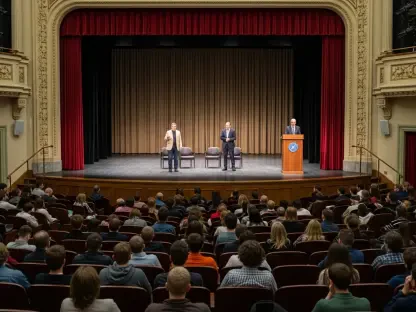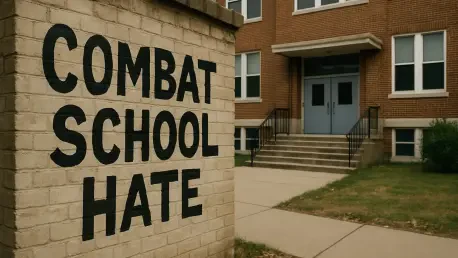

Educational leaders across the state are currently grappling with a significant rise in reported incidents of bias and exclusionary behavior within K-12 environments, prompting an urgent reevaluation of how historical atrocities are taught in the modern classroom. To address these challenges, the 2026 Winter Institute, titled “School Leadership to End Hate and Inspire Courage,” recently convened in Sacramento to provide a specialized framework for educators to confront these issues head-on through the power of narrative. This gathering served as a critical nexus for over 145 superintendents, principals, and teachers who are seeking to transform their schools into bastions of inclusivity and safety. By moving beyond traditional textbook descriptions and focusing on the lived experiences of those who survived the darkest chapters of human history, the initiative aims to dismantle the roots of prejudice among the youth. The partnership between the California Teachers Collaborative for Holocaust and Genocide Education and the state department of education marks a significant shift toward a more proactive, testimony-driven pedagogical strategy designed to foster empathy. This effort reflects a statewide commitment to ensuring that classrooms remain spaces where complex histories are met with rigorous inquiry and a shared sense of humanity, ultimately preparing students to navigate a diverse world with greater sensitivity and courage.
Transforming Educational Leadership Through Authentic Testimony
The collaborative effort, which is led by the JFCS Holocaust Center, represents a unified front in the ongoing struggle to prevent the normalization of hatred within educational institutions across the region. During the intensive sessions held in Sacramento, participants engaged with a curriculum that transcends mere dates and facts, focusing instead on the profound psychological and social impacts of systemic persecution. By bringing together a diverse group of over 145 educational administrators and classroom instructors, the institute provided a rare opportunity for cross-district dialogue regarding the implementation of anti-bias programs. This professional development model emphasizes that the lessons of the past are not static but are vital tools for addressing contemporary social frictions and bullying. The primary objective is to empower school leaders to recognize the early warning signs of radicalization and unchecked bias, ensuring that the school culture remains resilient against divisive rhetoric. Through this structured cooperation, the state is building a robust network of educators who are better equipped to lead their communities through difficult conversations about identity, equity, and historical justice.
Central to this pedagogical evolution was the contribution of the USC Shoah Foundation, which brought specialized expertise in the management and delivery of survivor testimonies from various global conflicts. Led by experienced educators such as Dr. Lesly Culp and Dr. Sedda Antekelian, the training focused on how to effectively integrate audiovisual accounts into everyday learning environments. These sessions utilized a vast digital archive containing testimonies from survivors of the Holocaust, the Armenian Genocide, and genocides in Rwanda, Cambodia, and Guatemala. By exposing students to these diverse narratives, educators can illustrate the universal patterns of dehumanization that lead to mass violence, regardless of the specific historical or geographical context. This approach encourages students to see themselves within the historical record, fostering a sense of global citizenship and personal responsibility. The instruction provided at the institute helped teachers navigate the emotional complexities of these topics, ensuring that the material is presented in a way that is both age-appropriate and intellectually challenging. This focus on individual stories serves to humanize the victims of history, making the abstract concepts of genocide and systemic oppression tangible and deeply personal for the current generation of learners.
Technological Advancements in Historical Engagement
A cornerstone of the institute’s methodology involved the introduction of innovative digital tools that allow for a more interactive relationship between the student and the historical subject. One of the most prominent technologies showcased was “Dimensions in Testimony,” an advanced platform that utilizes interactive biographies to facilitate virtual conversations with survivors and scholars. This technology moves the educational experience away from passive consumption, such as reading a text or watching a standard film, and toward an active engagement model where students can ask questions and receive real-time responses. This level of interaction is particularly effective for students in middle and high school, as it mirrors the digital communication styles they use in their daily lives. By utilizing these interactive archives, schools can preserve the voices of survivors for decades to come, ensuring that the passing of the eyewitness generation does not lead to a decline in historical consciousness. The integration of such sophisticated technology demonstrates a forward-thinking approach to social studies and humanities, where the preservation of memory is enhanced by modern engineering to create a lasting and impactful educational legacy.
Beyond the technical aspects of interactive archives, the curriculum explored the deeply human elements of identity through a framework referred to as “peoplehood.” This specific module demonstrated how personal traditions, such as culinary practices and family rituals, play a vital role in maintaining cultural resilience during and after periods of extreme trauma. For instance, by examining how food traditions were preserved by Holocaust survivors, students can better understand how individuals maintain their sense of self in the face of attempts to erase their heritage. This focus on cultural identity helps students relate to historical figures on a personal level, bridging the gap between different eras and backgrounds. It also provides a starting point for discussions about the students’ own identities and the importance of respecting the diverse backgrounds of their peers. This pedagogical strategy is designed to combat the “othering” process that often precedes biased behavior and school-based harassment. By highlighting the shared human desire to belong and maintain one’s culture, the institute provided educators with a practical vocabulary to discuss belonging and inclusion within their own diverse student bodies, reinforcing the idea that every student’s history is a valuable part of the collective school community.
Institutional Commitments and Forward-Looking Educational Policies
The significance of this initiative was further underscored by the presence of high-profile state officials who have championed the expansion of genocide education as a matter of public policy. State Superintendent Tony Thurmond and Senator Henry Stern participated in the proceedings, highlighting the legislative and administrative support that sustains these educational programs. Their involvement signaled a clear message that the state views the prevention of hate-motivated incidents as a top priority for the safety and well-being of all students. The consensus among the attendees was that personal testimony serves as a transformative resource that helps school communities grapple with the complexities of history and modern social dynamics. This high-level support ensures that school districts have the necessary resources and political backing to implement these intensive curricula without fear of institutional resistance. By aligning the goals of the California Teachers Collaborative with state educational standards, the institute helped to institutionalize a standard of empathy and historical literacy that will influence school policies from 2026 to 2028 and beyond. This collaboration ensures that the fight against prejudice is not a localized effort but a comprehensive, statewide strategy that reaches every corner of the educational system.
In the period following the conclusion of the Winter Institute, the participating educators were expected to implement a series of actionable steps within their respective districts to ensure the longevity of the training. They began by establishing localized workshops to share the testimony-driven methodologies with their colleagues, effectively multiplying the impact of the Sacramento sessions. Schools also integrated the interactive biography platforms into their standard history and social science curricula, ensuring that students had consistent access to survivor voices. Furthermore, administrators reviewed their disciplinary policies to incorporate restorative justice practices that addressed the root causes of bias-motivated behavior rather than relying solely on punitive measures. This systemic shift focused on creating long-term environmental changes that prioritized emotional intelligence and historical awareness as core components of student development. By documenting the outcomes of these new strategies, the districts contributed to a growing body of evidence supporting the effectiveness of testimony in reducing campus incidents of hate. The ultimate goal remained the creation of an educational landscape where the lessons of the past actively informed a more peaceful and inclusive future, ensuring that every student felt secure and valued within their learning environment.