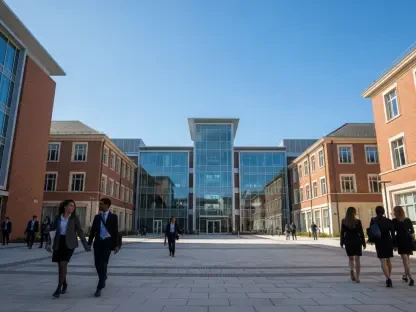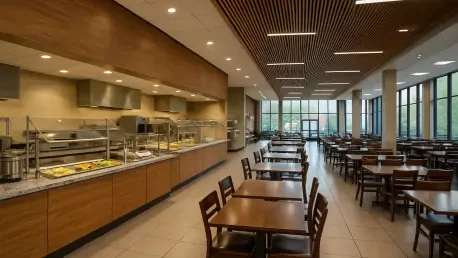

The landscape of higher education has shifted toward a holistic model where campus amenities play a pivotal role in the competitive recruitment environment. Binghamton University recently formalized a strategic partnership with Chartwells Higher Education to completely overhaul its culinary operations and meet these evolving expectations. This collaboration is far more than a simple vendor agreement; it represents a high-priority investment intended to bolster student satisfaction and improve the overall residential experience for faculty and staff alike. By integrating modern dining solutions into the university’s infrastructure, the institution aims to create a more vibrant community atmosphere that supports both mental and physical well-being. This modernization effort underscores a commitment to providing high-quality, consistent food services that align with the diverse needs of a global student population. Ultimately, the initiative focuses on building a future-ready dining program that prioritizes transparency and active engagement through 2026 and beyond.
Cultivating Inclusivity Through Culinary Diversity
Under the leadership of Chartwells CEO and Binghamton alumna Eva Wojtalewski, the program is designed to be exceptionally responsive to the specific voices and needs of the campus community. This unique connection to the university ensures that the dining strategy is not only professionally managed but also culturally resonant with the student body. One of the central pillars of this operational shift involves a significant expansion of dietary options, particularly in the realms of kosher and halal certifications. By catering to a global population, the university ensures that every student feels represented and supported at the dining table. Furthermore, the partnership includes a specialized focus on fueling student-athletes, recognizing that high-performance nutrition is essential for success in collegiate sports. These tailored menus are developed with nutritional science in mind, providing the necessary energy for both rigorous training and academic excellence. This level of customization demonstrates a shift toward personalized dining experiences that acknowledge the unique requirements of various campus groups.
Sustaining Growth with Data-Driven Solutions
Transitioning toward a more socially responsible model, the partnership prioritized local economic growth by increasing regional sourcing and forming alliances with minority-owned suppliers. This initiative not only supported the surrounding community but also ensured a fresher supply chain that resonated with environmentally conscious students. Technology-driven waste reduction systems were implemented to align dining operations with the university’s broader sustainability objectives. These tools allowed for real-time tracking of food consumption and disposal, significantly minimizing the environmental footprint of the campus halls. Additionally, the shift toward a data-integrated dining model provided university leadership with unprecedented financial visibility and operational oversight. Managers utilized these insights to refine menus and optimize staffing levels based on actual traffic patterns. Moving forward, institutions should look toward these integrated models as blueprints for balancing fiscal responsibility with high-quality service. Decision-makers were encouraged to maintain this transparency to ensure long-term stability and continued innovation in the culinary landscape.